

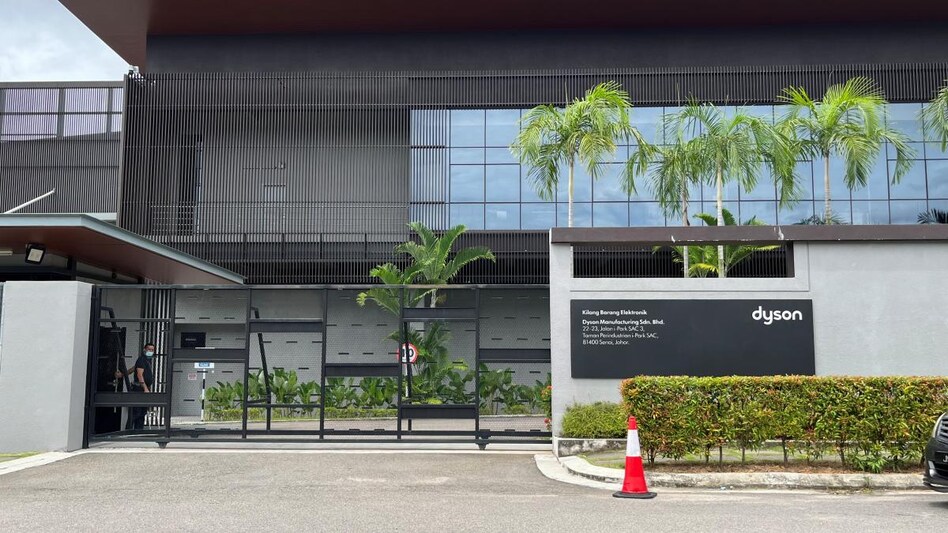
 After Dyson's move, ATA shares dropped 60%. Some analysts have raised doubts about ATA's ability to attract new customers, and on Nov. 29 a statement from the firm forecast revenue declines and cost cuts.
A short drive across the border from Dyson's new headquarters in Singapore is the boomtown built around its business: a Malaysian industrial area dominated by its biggest supplier, ATA IMS Bhd.
ATA, one of Malaysia's top electronics manufacturing services providers, rode Dyson's success in high-end vacuum cleaners and air purifiers, supplying parts for a company that came to account for 80% of its revenue.
 India’s AI bet goes global: 93% of businesses trust AI with data, 87% eye new markets
 Delhi H1N1 outbreak: 1,777 cases recorded. Symptoms, who are at risk & how to stay safe
 FII sentiment shows early signs of turnaround after months of selling: Report
 UPI should remain free: Expert on why MDR could push merchants and consumers back to cash
 Apple job cuts 2026: iPhone maker slashes 200 jobs in Siri, Vision Pro immersive video, gaming teams
 Meta’s $200 Billion Trial: Did Instagram & Facebook Keep Kids Hooked?
 Motor Insurance Explained: Is Third-Party Car Insurance Enough? Know Before You Buy
 Retirement Tax Planning: 5 Ways Senior Citizens Can Reduce Their Tax Liability
 #IndiaAt100 : Adipen Bose Nandhiji On Conscious Capitalism- Can Profit & Purpose Coexist?
 #IndiaAt100 : Hisashi Takeuchi On Driving India’s Manufacturing Revolution
 Crompton Greaves says no plan to sell stake, expects revenue to double by FY31
 Gaja Alternative Assets IPO: 3 ways to check application status; allotment odds, GMP, listing dateFII sentiment shows early signs of turnaround after months of selling: Report
 ₹24,800 crore bill: How transaction costs are eating into retail derivatives trading
 Cupid, NTPC Green, NTPC, Raymond Realty, HAL shares: Key technical levels to watchCrompton Greaves says no plan to sell stake, expects revenue to double by FY31Delhi H1N1 outbreak: 1,777 cases recorded. Symptoms, who are at risk & how to stay safeIndia’s AI bet goes global: 93% of businesses trust AI with data, 87% eye new markets
 US/UK citizenship and PPF: What happens to your Indian savings after naturalisation?
 The Rs 606 problem: What happens when India puts a price on UPI












