












If there is one meaningful shift in the journey of women over the past few decades, it is the growing ability to choose. Women today have far greater freedom to decide whether they want to marry, have children, work, or pursue financial independence. Yet amid this increased agency, biology remains one area where our choices can feel unexpectedly limited.
For generations, women believed that motherhood would be available whenever they were ready. But modern lifestyles, environmental exposure, stress, processed foods, hormonal disruptions and urban living have changed the reproductive landscape. While women are most fertile in their twenties and early thirties, fertility begins to decline after 30 and drops more sharply beyond 35, something many women are still not fully aware of.
Egg freezing is often misunderstood as a tool used only by women focused on their careers. In truth, it is far broader. Some women simply don’t feel emotionally ready for motherhood. Some haven’t met the right partner yet. Others face medical concerns such as cancer, autoimmune disorders or endometriosis that can threaten their fertility. And many are simply unsure, recognising that who we are at 25 or 30 may not reflect who we become later. For many, egg freezing is not about delaying motherhood; it is about keeping a door open, a backup plan, not a first-line plan, and certainly not a guarantee.
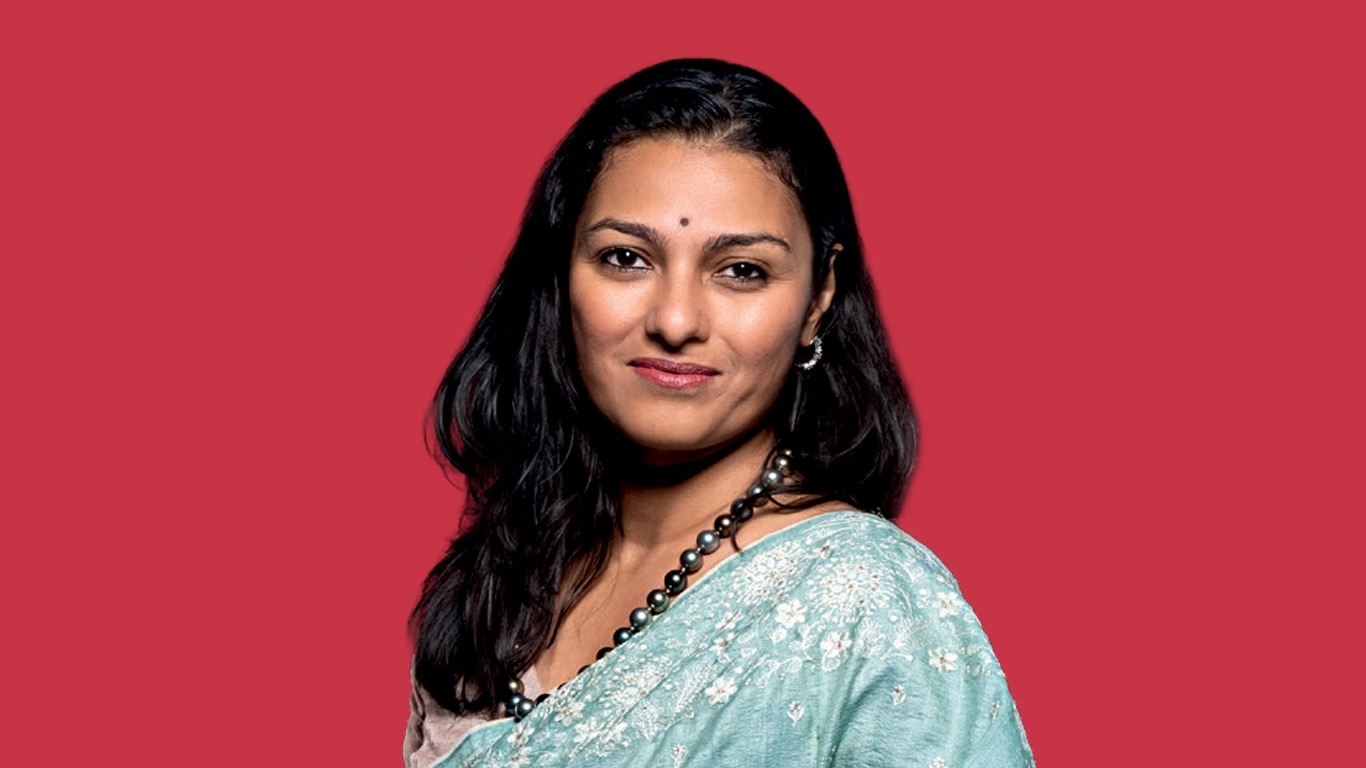
I speak with conviction because I made this choice myself. At 32, unmarried and not ready for a child, I decided to check my AMH levels—a simple test that reflects ovarian reserve. I still remember how startled I felt when I saw the result. My fertility was already declining. It wasn’t a glamorous or dramatic moment; it was a quiet, honest realisation. I wasn’t sure I wanted to be a mother but I also wasn’t sure I didn’t. And that grey zone felt far more real than forcing myself into a decision I wasn’t ready for.
What I did know was that I didn’t want biology making decisions I hadn’t yet made for myself. Egg freezing felt practical, grounded and strangely reassuring. Once I understood the science, I acted without hesitation.
Years later, that decision changed everything. I met my partner, and together we chose to build a family. I had my first child at 40 and twins at 44. Without the eggs I froze at 32, when they were healthiest, this may not have been possible. My natural fertility by then had declined significantly, as it does for most women. Preserving my eggs earlier allowed me to embrace motherhood when I was emotionally ready, not when biology dictated. When I look at my three children today, I am deeply grateful to my younger self for choosing to keep that option alive.
However, it is important to stress that egg freezing does not guarantee a child. A woman still needs viable sperm. Embryos must form correctly, develop, implant and grow into a healthy pregnancy. Egg freezing should be seen as an insurance policy, not a promise. It widens possibility; it does not ensure an outcome.
Because egg freezing touches biology, identity, choice and deep emotion, women deserve balanced, stigma-free information. The procedure involves hormone stimulation, scans, injections and uncertainty about how many eggs will be retrieved or survive. It demands emotional and physical commitment. Women need clarity, not fear, pressure or idealised promises.
Workplaces can play a supportive role, not by framing egg freezing to extend work years, but by recognising the emotional and medical complexity women may navigate.
Support includes more than financial coverage. It requires a culture where reproductive health can be discussed without stigma, where time for medical appointments is respected, and where overall wellbeing is valued. Fertility journeys also affect partners, and organisations should allow flexibility for men whose partners are undergoing treatment.
Social attitudes must evolve too. In smaller towns, discussions on fertility often collide with cultural expectations and limited access to women-centred care. Egg freezing is sometimes seen as defiance or indulgence. In reality, it is planning. It is responsibility. It is a woman choosing to keep a door open. No one should feel pressured to freeze their eggs, nor judged for considering it. True choice includes all possibilities: freezing, not freezing, and being unsure.
For India to progress meaningfully on women’s health, fertility awareness must enter mainstream conversation. Many young women do not know how significantly fertility can decline with age.
Greater awareness, accessible medical guidance and conversations in regional languages can improve understanding and empower informed decisions.
Ultimately, egg freezing matters not because it promises certainty, but because it preserves possibility. For some women, it becomes a valuable safety net. For others, it may be unnecessary. Each choice is deeply personal and entirely valid.
For me, it provided time, clarity and peace of mind. It allowed me to shape motherhood on my own terms, rather than be confined by circumstances beyond my control. In a world full of unpredictability, creating options for oneself remains one of the quietest and most powerful acts of freedom.
Views are personal


