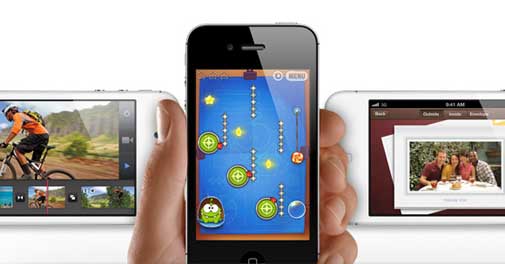
Smartphones always manage to steal all attention with their extra-large screen sizes and hyper-active innards, but the brains of these devices are the apps that finally run on them.
So while these devices are essentially clean slates, it is the apps - short for computer "applications" that enable various tasks - we download on them that give them character and use the handsets' resources to full potential.
All the specs touted by the phones might make great reading, but they would all come to nought without the applications to ensure a good user experience.
Apps are not new to mobile devices. In fact, the calculator that you used on a Nokia 3100 years ago was also an app. But while the initial apps were bundled into the devices, today's applications have broken free of the devices.
So, now you have app stores from where you have download the programs of your choice depending on the task you want them to perform. Apps now handle most basic functions, while also adding value to lot of your work. For instance, while your phone clicks pictures, there are thousands of apps that will let you do millions of things with those pictures.
From social networking to music players and news aggregators there are apps for almost everything, except for maybe make a free call-in fact, there are even apps that let you make free calls and texts. Apps have become so much a part of our digital lives that what we have on our phone often shows the kind of person we are.
THE STORY BEGINS
Apps got their real big push when Apple launched its iTunes App store in mid-2008, a day before the launch of the iPhone 3G, the first phone to support downloadable applications. The concept became so popular that the other players in the phone market could not afford not to have apps, or an app store.
By 2009, Google had its Android Market up and running, though with much fewer apps than its Cupertino rival. Moreover, the Android store was open source, which meant anyone could upload an app and there was no control over the content or its safety. On the flipside, it also democratised the app revolution, taking these tiny software beauties to more devices across the world.
IT'S ALL ABOUT THE NUMBERS
Numbers don't lie, and nothing else tells the app story better. By early 2012, the App Store had clocked 25 billion downloads of its 5,85,000-odd apps, while the Android Market, now rechristened Google Play, had crossed 10 billion download with over 4,00,000 apps. There are apps elsewhere too.
Like the BlackBerry App world and Windows Phone Marketplace, but they pale in numbers in comparison. The popularity of apps can also be measured by the fact that by the end of 2011 mobile apps accessing the Net was higher than traditional web consumption.
GOING BEYOND
But then apps are not limited to pricey smartphones or tablets. The real story is how apps are now available for cheaper feature phones too, the devices that actually make the numbers.
So, apps that let users access Facebook or Twitter have become a basic feature in even the cheapest phones. Apps also let people access YouTube and music sitting in places where the nearest television set could be miles away.
Apps have also started making their appearance in computers, which are becoming smaller by the day. With new form factors making it difficult to add optical drives-for long the primary method for adding new software-computer makers are now looking at apps for these machines.
In fact, Apple took a giant leap of faith when it launched the Mac App Store along with its latest Mac OS X Lion, freeing the machine from the need for an optical drive to add new software.
As always, Google was the next in line, launching an app centre for its Chrome browser - it let users take the benefit of their favourite mobile apps and much within the comfort of their browser. Others, meanwhile, are bundling proprietary apps in new computers so as not to be left behind in the race.
Indicating that this is the real future of the digital world, apps are now becoming popular in Smart TVs and many other devices too. Apps and widgets on the latest televisions let you access the Internet, play content from them as well as do a lot of basic computing. Apps that allow editing of pictures and other value addition are now a standard feature in digital cameras, especially those in the middle segments.
NOT ALL HUNKY DORY
But the proliferation of apps has also had some negative effects. The Android Market for instance has started being identified as the biggest security threat to mobile devices, especially since there is no control over the apps available there.
With screen sizes also varying so much, users are often unable to get an app of their choice for their particular device. There are also fears that apps have access to too much personal information, which could be misused by those who create these applications. Surrogate ads on many free apps have also been an irritant.
On the bright side, we could be on the verge of some consolidation, with phone makers and mobile service providers helping people select the best apps. Users too are becoming more mature, and now understand that free does not necessarily mean good.
This is the world of apps, this is our world.