











India Inc has long treated the role of a chief executive officer (CEO) as the pinnacle of professional success, a position associated not just with power and influence, but often identity itself. But what happens after CEOs quit the corner office? Several leaders are now extending their professional life beyond retirement, in a bid to hold on to their sense of self.
In India, where professional identity is deeply tied to designation, visibility, and authority, stepping away from leadership can become psychologically complex. Former CEOs speak of confronting silence after decades of constant momentum, of waking up without packed calendars or urgent decisions waiting for them, and of discovering how deeply their sense of self had become tied to the institutions they led.
For Ravi Venkatesan, former Chairman of Microsoft India and Bank of Baroda, the transition initially felt “difficult, disorienting, and uncomfortable”, a phase he describes as “de-addiction from work”. Vineet Nayar, former CEO of HCL Technologies, recalls confronting a void that many leaders struggle to sit with after corporate life slows down. Ganesh Natarajan, former CEO of Zensar Technologies and Aptech, admits he worried about losing visibility and relevance once the designation disappeared. Kris Gopalakrishnan, co-founder and former Vice Chairman and CEO of Infosys, says stepping away from operating leadership forced a gradual shift from being defined by a single institution to finding meaning through broader contribution.
Yet, former India Inc leaders are increasingly discovering that life after the corner office is not about retreat. Pawan Goenka, the former Managing Director of Mahindra & Mahindra, currently plays a central role in shaping India’s space-economy ambitions as the Chairman of IN-SPACe. A seasoned industry veteran, he remains deeply engaged with manufacturing innovation and entrepreneurship as the Chairman of the SCALE Committee. C. P. Gurnani, former CEO and Managing Director of Tech Mahindra, continues to work across AI, start-ups, governance, and education through ventures such as AIonOS, board positions, and academic institutions.
Shiv Shivakumar, former Group Executive President at Aditya Birla Group and former India head of Nokia and PepsiCo, remains active as a mentor, board member, start-up advisor, and management thinker, engaging deeply with India’s evolving business landscape. Others, like Falguni Nayar, chose to build entirely new entrepreneurial journeys after corporate leadership.
Here’s a few of them and what they do now:
‘The Real Fear Is Irrelevance’
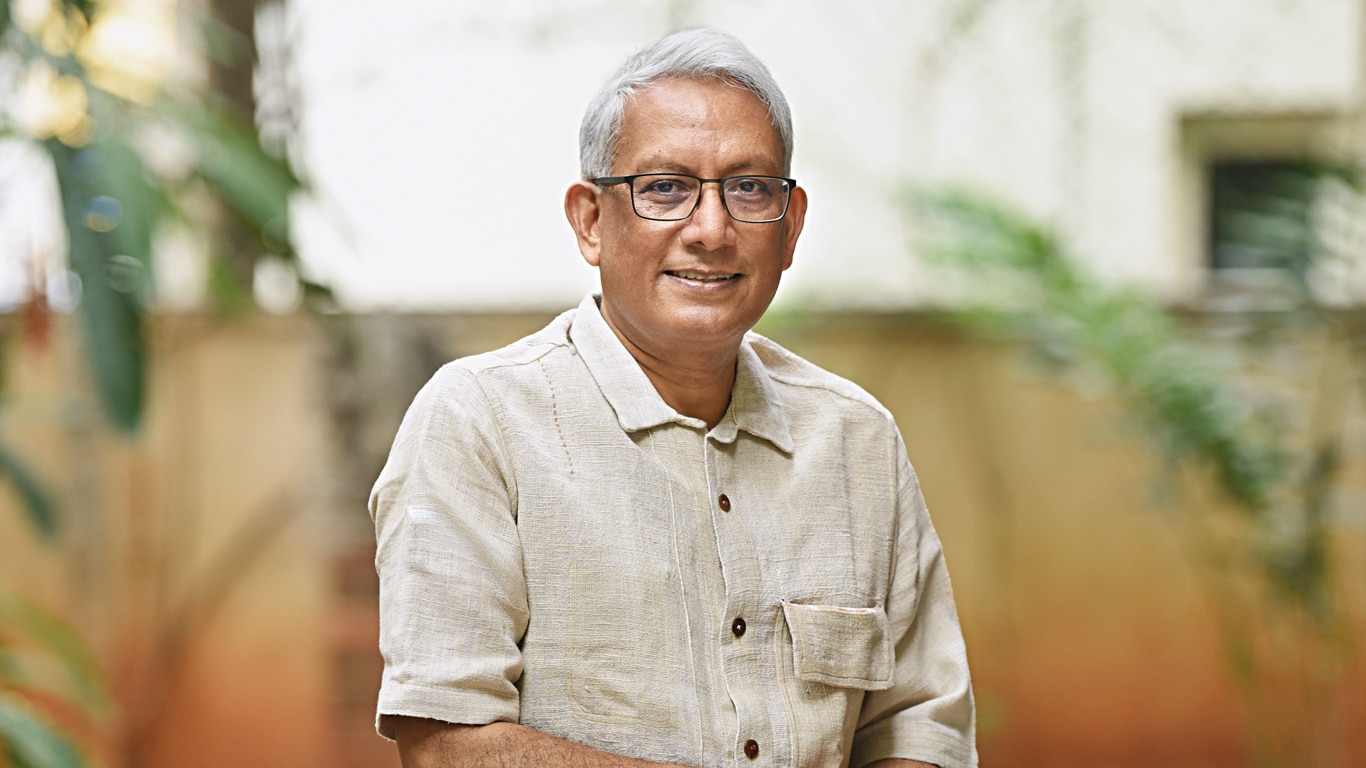
Ravi Venkatesan
Venkatesan believes leaders must build what he calls a “portfolio life” — an evolving collection of projects, interests, and contributions that creates meaning beyond any single designation.
“Work can be conceptualised as an evolving collection of projects,” he says. “It offers far more flexibility to shape work around the way you want to live, rather than the other way around.”
This used to be something people figured out post-retirement. Not anymore. With people living longer and traditional employment becoming less stable, many leaders would need to build a portfolio much sooner, says Venkatesan.
“Over time, I realised identity has to exist independently of temporary roles like CEO or institution builder,” he says.
That shift, he believes, is rarely easy. Many senior executives underestimate how deeply their sense of self is tied to their roles. The real fear, according to him, is not financial insecurity, but irrelevance. “Work is about much more than putting food on the table,” he says. “Without it, many people struggle with a surprisingly simple question: how do you explain who you are?”
But purpose, he insists, does not disappear when a corporate role ends. “It can be fulfilled outside a job, often in ways more aligned with personal values.”
Today, Venkatesan’s work spans entrepreneurship, climate action, and artificial intelligence (AI). He chairs the Global Energy Alliance for People and Planet and the Global Alliance for Mass Entrepreneurship, and is in the process of launching the Institute for Human Flourishing (IHF), a research-action-policy lab focused on ensuring artificial intelligence raises incomes, expands agency, and creates opportunity at scale.
The idea of retiring between 60 and 65 years strikes him as increasingly obsolete. “The real question is whether people remain intellectually engaged, socially connected, physically active, and purposeful.”
Rather than viewing ageing as decline, he sees it as another opportunity for reinvention and new adventures. That, ultimately, is the idea behind a portfolio life: work that fits around living, rather than consuming it entirely.
‘What Endures Is the Ability to Contribute’
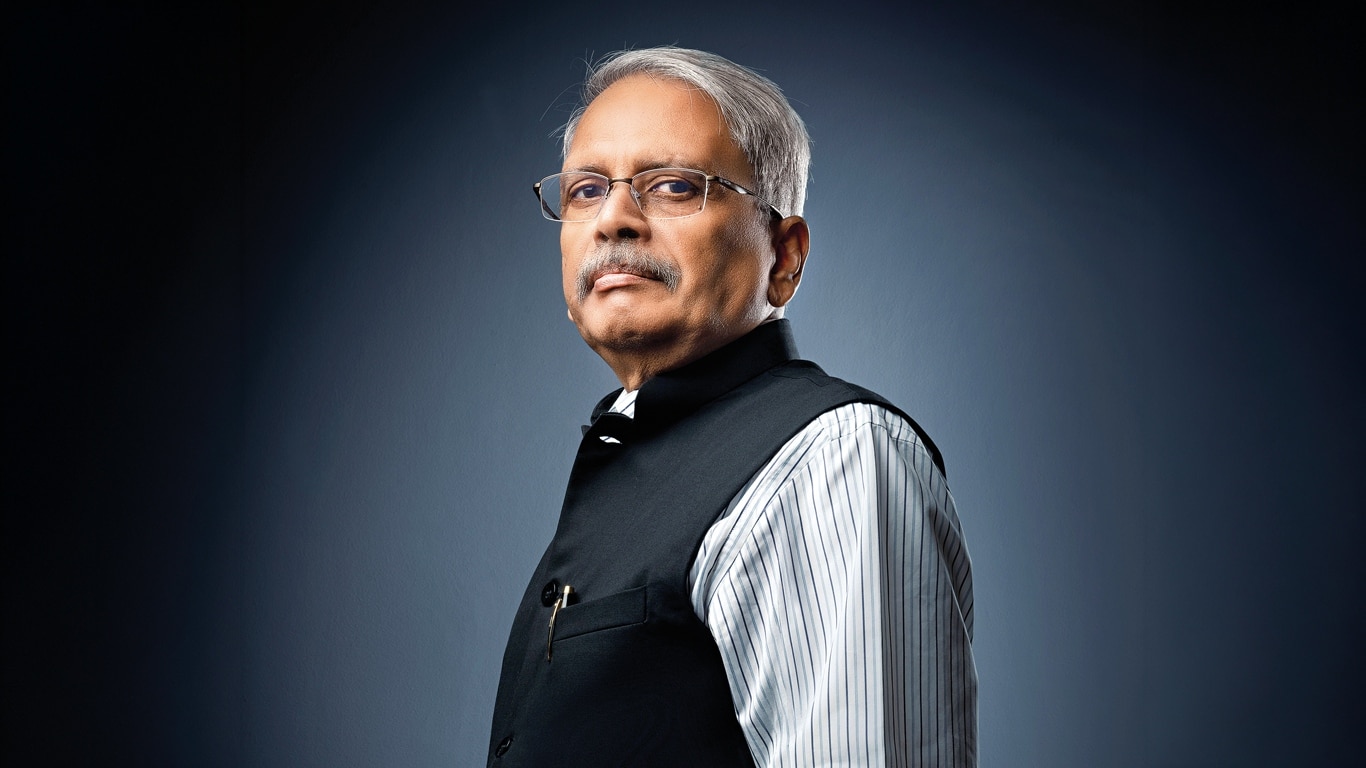
Kris Gopalakrishnan
With the intensity of corporate leadership behind him, Kris Gopalakrishnan says life opened more space for reflection, reading, and deliberate engagement with ideas.
“I would describe it as moving from a phase of intense execution to one of considered engagement,” he says. “The sense of responsibility does not disappear. It simply becomes more self-directed. What endures is not the designation,” he reflects.
Over time, his long-standing interests in technology, science, research, and education became the focus of his post-CEO life through deeper engagement with institutions such as Indian Institute of Technology, Madras and Indian Institute of Science (IISc).
“One consistent thread across my journey has been institution building,” he says. “At Infosys, it was about creating a global organisation anchored in strong values. In this phase, that orientation continues through a more diverse set of engagements.”
Technology remains central to his work, particularly AI and its implications for society and the future of work. Through Axilor Ventures, he works closely with entrepreneurs and early-stage innovation, while Pratiksha Trust and the Centre for Brain Research at IISc support long-term scientific and medical research.
Another issue that increasingly occupies his attention is ageing and India’s rapidly growing senior population. “India is still perceived as a young country,” he says. “But in absolute terms, the number of senior citizens is rising rapidly.”
That concern eventually led to Vayah Vikas, a not-for-profit initiative focused on active ageing and meaningful participation for seniors, which today reaches over 1,80,000 members across three states.
“The idea is to enable seniors to remain physically active, socially connected, and intellectually engaged,” he says. “Seniors are contributors with accumulated wisdom and experience, and that potential should not be framed only in terms of dependency.”
The transition has also allowed Gopalakrishnan to invest more deeply in personal interests that operating leadership often leaves little room for. He is now more regular with physical fitness and has incorporated yoga into his daily routine.
“I also travel more, not just for work, but to explore, experience different cultures, and enjoy the world a little more deliberately.”
According to him, there is now the freedom to align time with one’s values and interests. “That balance is deeply satisfying.”
‘Curiosity opens new doors’
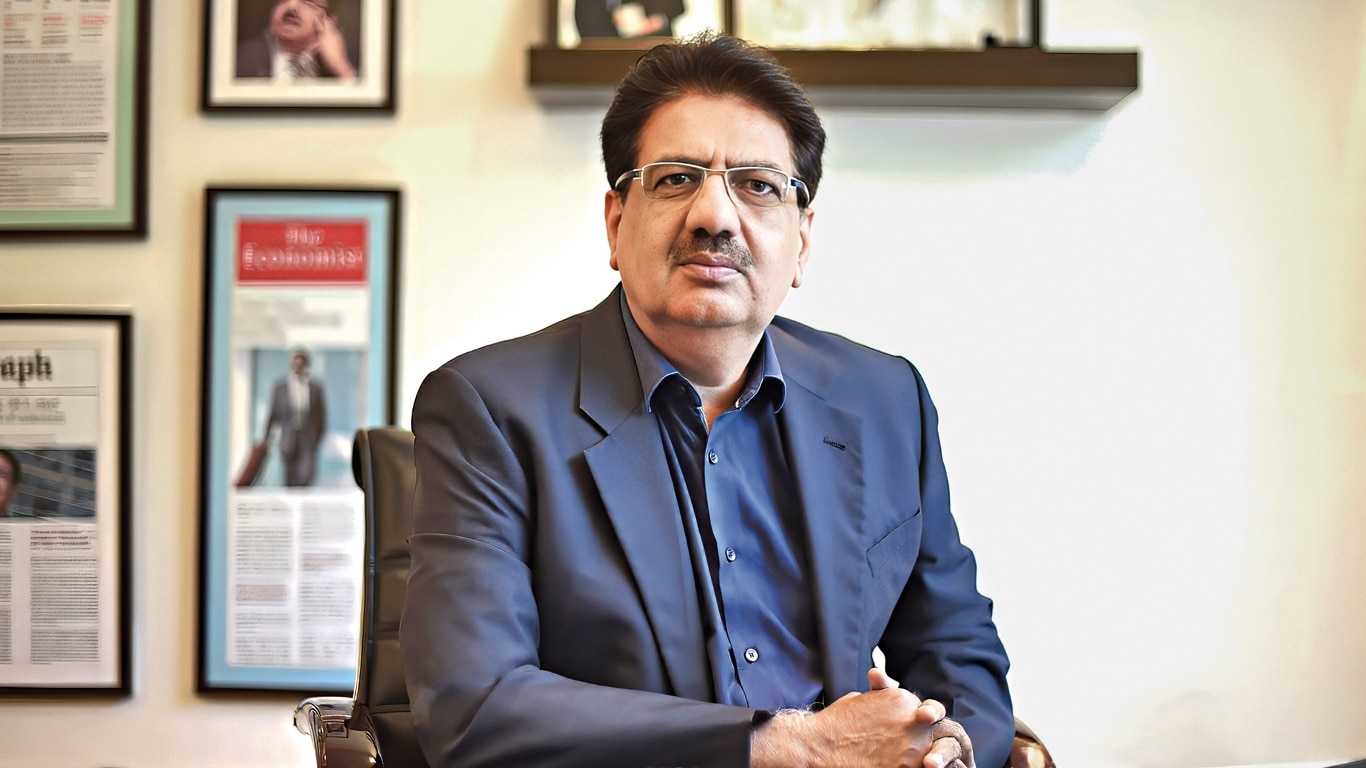
Vineet Nayar
Through the Sampark Foundation, which he had quietly built during his years at HCL Technologies, Nayar found himself engaging directly with children, teachers, and communities at scale.“There is no abstraction. Just real impact. It felt like being human again.”
Unlike many leaders who discover their next phase only after leaving corporate life, Nayar says his transition was deeply intentional. He had decided early on that he would step away from corporate leadership at 50 and spend his next chapter focused on social impact through Sampark Foundation.
“When you are leading a large, listed company that is doing well, there is a certain momentum, even a pull, that is hard to walk away from,” he says. “But once the why is clear, the how becomes an exciting journey of discovery.”
Nayar says the real risk is an entitlement mindset, which often makes one believe that because of their work as a CEO, the world would continue seeking their advice, even after they step aside. “The world has moved on,” he says.
Instead, he says, former leaders add the most value through mentoring, governance, and social impact, provided they stop trying to operate like executives. Leading change in education, he realised, was profoundly different from driving change inside corporations.
“At HCL, I learnt how to motivate employees through a shared philosophy,” he says. “At Sampark, I learned how to inspire people through ideas and human impact.”
Unlike business, where change can be driven through structure and incentives, in education, especially within government systems, one has to inspire people. Today, Sampark’s work reaches millions of children across India, something Nayar says feels larger than anything he imagined achieving in corporate life.
“I moved from working with employees to working with humans at their most foundational level — children and teachers,” he says. “You see very clearly whether what you do is making a difference.”
What followed was a renewed sense of curiosity through writing, reflection, and deeper engagement with ideas beyond business.
“Curiosity opens new doors,” Nayar says. “It allows you to keep learning, keep exploring, and keep evolving. And that is what keeps you truly alive in any phase of life. ”
‘The greatest barrier is often conviction’
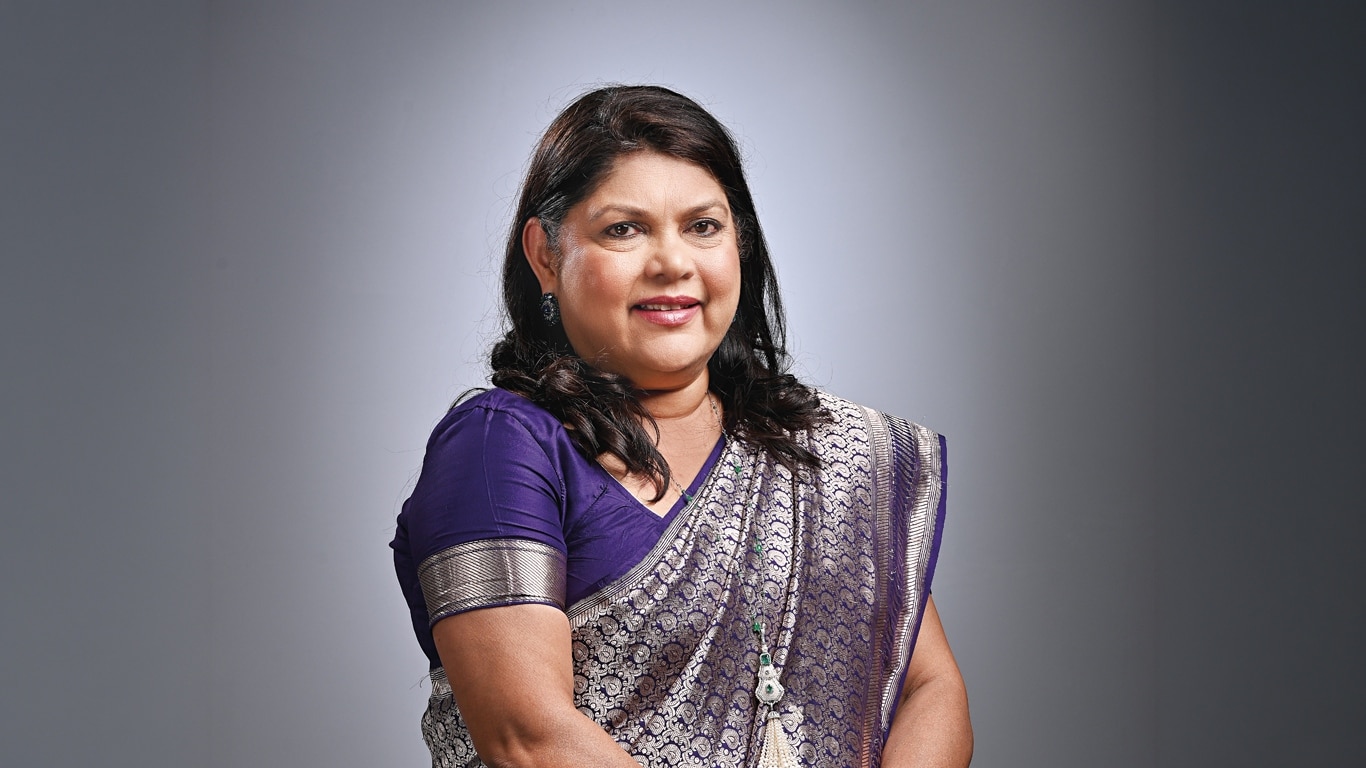
Falguni Nayar
When Nayar stepped away from Kotak Mahindra Capital in 2012 after nearly two decades in investment banking, the decision was deliberate, though what came next was not fully mapped out.
“The 19 years I spent at Kotak Mahindra Group were deeply formative,” Nayar says. “It was a front-row seat to how businesses are built, scaled, and taken to the world.”
Nayar said that over time, she developed a deep appreciation for entrepreneurs, their ability to build from nothing, navigate uncertainty, and stay committed to a long-term vision despite short-term challenges.
By the time she reached her 50s, Nayar found herself confronting a deeply personal question. “If not now, then when?” she recalls asking herself. “I was 50, and I did not want the idea of timing or age to define the next phase of my life.” As she explored consumer behaviour and gaps across industries, the beauty category stood out as large, fast-growing, yet underserved.
“At the same time, digital adoption and e-commerce were beginning to reshape consumption in India,” she says, “an insight that eventually became the foundation for Nykaa.”
For Nayar, however, building Nykaa required far more than applying lessons from corporate leadership. It demanded continuous learning. “I was new to technology and retail, both of which I learned from scratch,” she says. “The first few years were tough. We faced system crashes and execution delays, but treated them as learning.” Her vision to build a brand that consumers trusted led her to create Nykaa. “Everything we promised, we delivered.”
Nayar believes the larger question is not whether India Inc is ready for such transitions, but whether individuals are willing to leap. She says that the greatest barrier is often conviction and the willingness to take the first step despite uncertainty.
“The years you have spent understanding businesses, managing people, and navigating complexity are your edge,” she says.
India is still creating new categories, new consumption behaviours, and new institutions. For those who have spent decades building knowledge and judgment, there has never been a better time to put that to use.
Even today, Nayar says curiosity remains one of the strongest driving forces in her life. She continues to read widely across consumer behaviour, technology shifts, and evolving market trends, while travel remains an important source of learning and perspective.
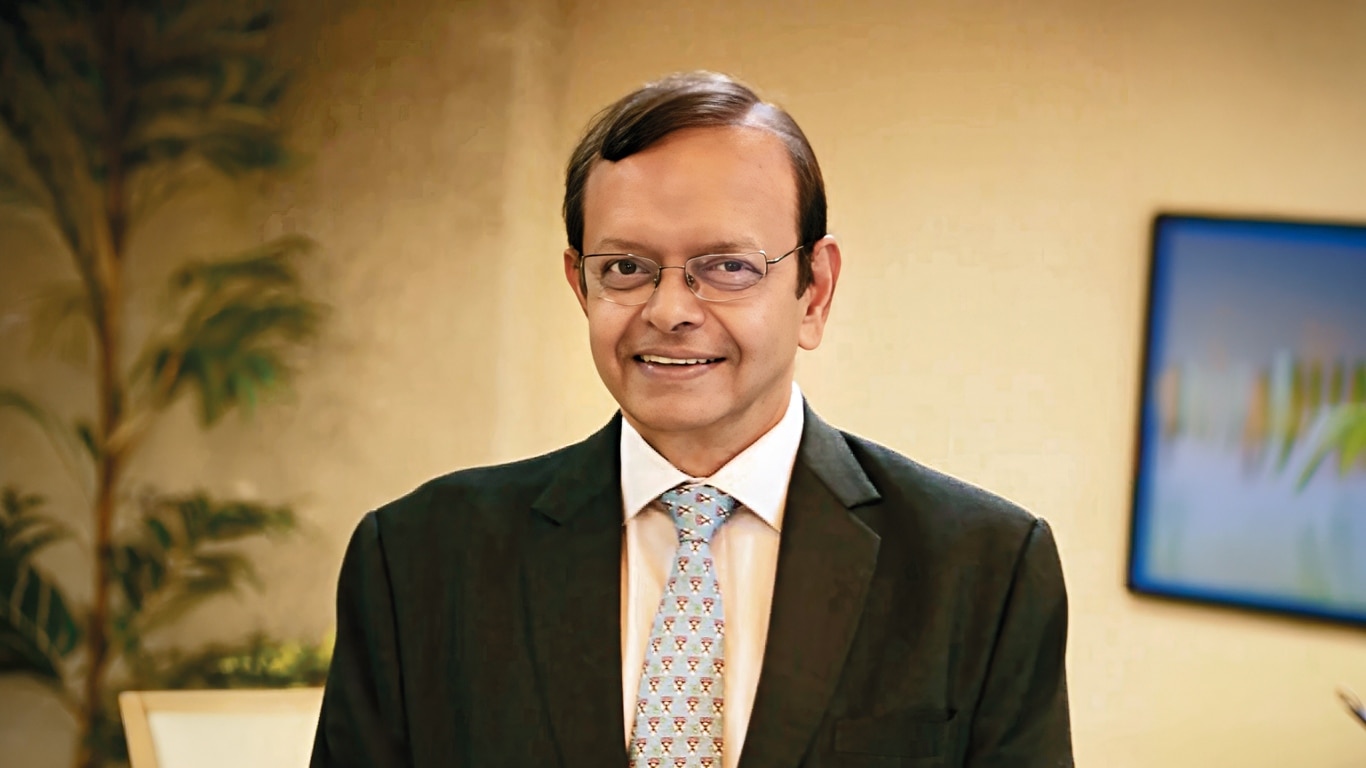
‘Relevance Does Not End with Designation’
Ganesh Natarajan
For Natarajan, life after corporate leadership evolved not into retirement, but into a portfolio spanning boards, entrepreneurship, social impact, writing, and mentoring. “Initially, there was a worry that I would miss my quarterly appearances on news channels and the frequent interactions with press and analysts,” says Natarajan. “I was indeed worried about a loss of identity.”
But the transition quickly opened new avenues of contribution. Due to his professional achievements, he was able to find opportunities through advisory roles as well as board positions, which helped him keep his sense of self-worth intact.
Since stepping away from executive leadership, Natarajan has remained active across business, entrepreneurship, governance, and social impact, chairing organisations, including GTT Data Solutions, Honeywell Automation India, and Lighthouse Communities Foundation, while serving on multiple corporate and social sector boards.
“Today, I balance my time between scaling social enterprises, investing in young companies, serving on boards, writing, public speaking, and travelling,” he says.
Having authored 17 books, Natarajan says writing helps him continue learning while sharing leadership insights.
“I started travelling more, both for leisure and family reasons, and started writing more,” he says. “That enables me to keep learning too.”
At the core of this phase, however, lies a simpler definition of purpose. “Purpose is making a difference in whatever activity I invest my time,” he says. “And that happens through boards, investing, and social work.”


