













Boston is one of those cities that sneaks up on you. It doesn’t shout its importance, though it absolutely could. After all, it is home to Harvard and MIT (ok, technically the neighbouring town of Cambridge is, but that’s a matter of detail). It’s also home to the Red Sox and Celtics with an equal number of baseball and basketball fans willing to kill and be killed! And thanks to the Boston Tea Party, every child in the US and a large number outside know all about the American Revolution. But instead of thumping its chest like New York, Boston lets you discover things at your own pace, as if it knows you’ll fall for it eventually. And I did.
The first thing that struck me was how walkable it is. In a country obsessed with cars, Boston feels like it was designed for strolling. The Puritans who laid out the place in 1630 clearly weren’t thinking about modern city grids, which is probably why every lane dips and bends. Add cobble stones, and the city feels almost European.
As you walk around, you realise the city doesn’t separate history from everyday life. This shows up in sidewalks, old buildings and in plaques embedded around the city.
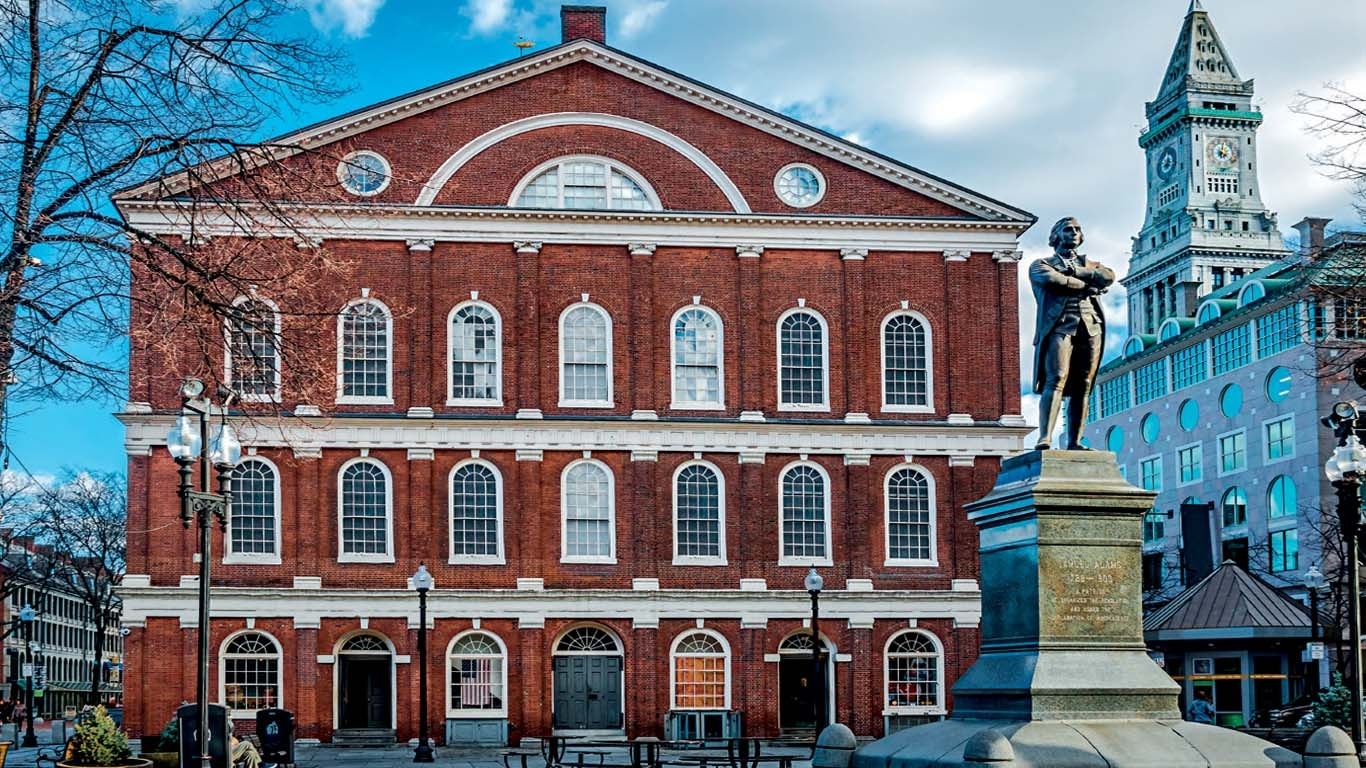
You are never too far away from a reminder of the American Revolution. One moment you could be balancing a lobster roll at Quincy Market, jostling for space during crazy lunch hour, and the next minute you are standing in front of Faneuil Hall, where America’s earliest political arguments unfolded. Samuel Adams, the revolutionary patriot, literally cast in bronze, stands there looking like he’s judging your food choices.
Cross the street, and you hit The Freedom Trail—a red line guiding you through four kilometers of the American origin story. It escorts you past the Boston Common, established in 1634 and still the country’s oldest public park. Today, it may be Boston’s answer to New York’s Central Park with its dog walkers and picnickers, but once upon a time, it was the backdrop for hangings, trials and witch hunts! If you visit around Halloween, like I did, the ghost tours add just the right amount of theatrical spookiness.
Walk a bit further and you come across the site of the Boston Massacre where five civilians were killed in 1770, and then on to Old State House—the oldest surviving public building in Boston—happily standing between modern architecture and busy streets. A bit like Delhi, where you suddenly come across centuries old architecture serving as a roundabout.
A statue of Benjamin Franklin, Boston’s leading patriot and son, marks the spot of the country’s oldest public school. It’s now a restaurant, again a bit like India, where heritage buildings often get converted into hotels.
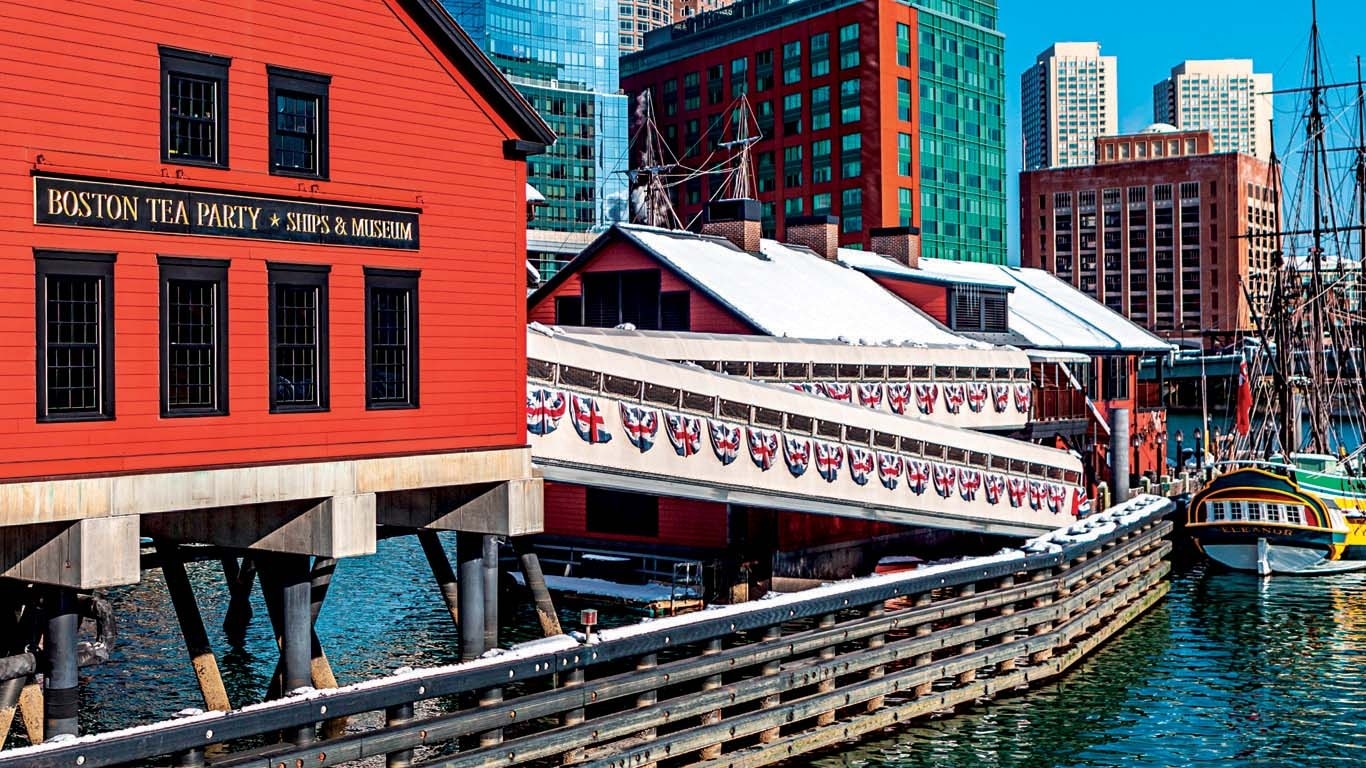
The Freedom Trail leaves you wanting to discover more of the city’s history and its role in the American Revolution. And the Boston Tea Party Ships and Museum is perfect for that. Here, actors deliver fiery speeches, visitors toss replica tea crates into the water, and everyone gets caught up in the moment. It’s a great way to make history feel alive without turning it into a lecture.
Boston is a city of firsts. Little wonder, the oldest continually operating restaurant in the US, the Union Oyster House, is here. It’s all dark wood and old-school charm. JFK used to have lunch there, and yes, they still have his booth. I felt mildly smug sitting there with a bowl of clam chowder, the same thing a young senator once slurped down before he became, well, JFK.
Of course, no trip to Boston is complete without crossing the Charles River to Cambridge. Harvard Yard is exactly what you imagine: brick buildings, leafy paths (prettier in the fall) and students with higher IQs than most. I joined a student-led tour that was full of gossip, university myths, and anecdotes about famous alumni.
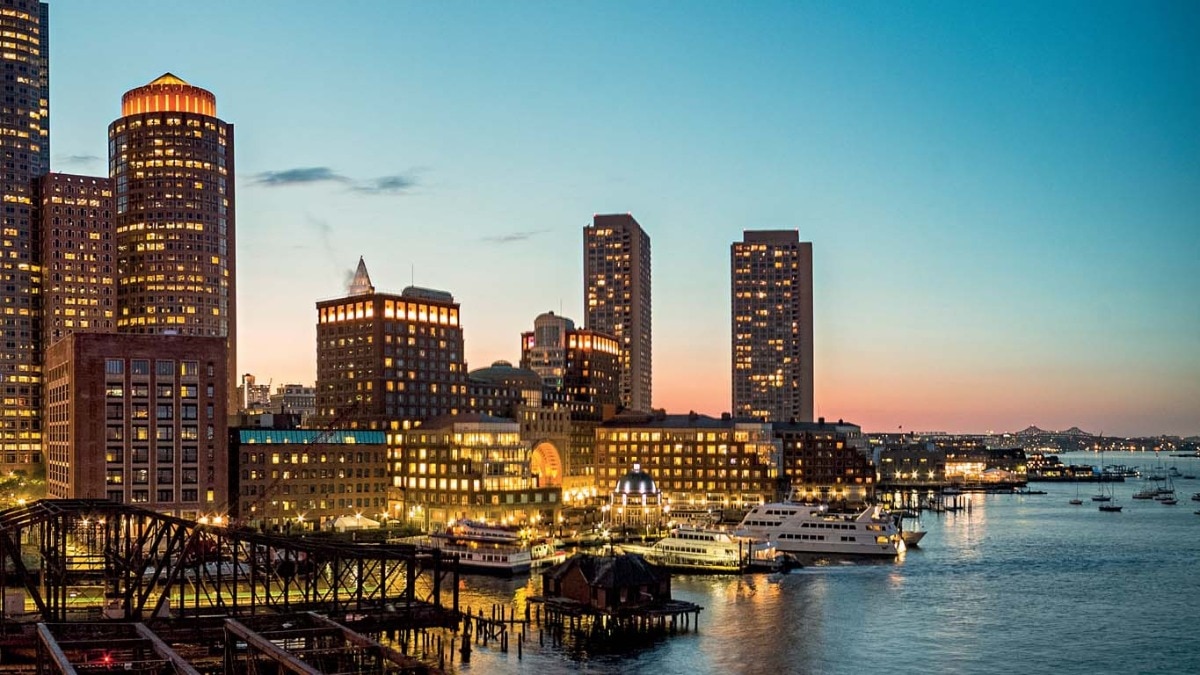
Art is another thing Boston does surprisingly well. The Harvard Art Museums has self-portraits by both Van Gogh and Renoir, along with several Picassos. The Museum of Fine Arts is huge and has a genuinely impressive collection of Indian art, which caught me off-guard. And down by the waterfront, the Institute of Contemporary Art adds a whole other layer to the city: minimalist glass with bold exhibits.
By the end of my trip, I realised Boston never tries too hard. It doesn’t need to. The charm is quiet, the history constant, the food excellent, the vibe warm and easy-going. And maybe that’s why the city stays with you long after you have left...
@smitabw


