













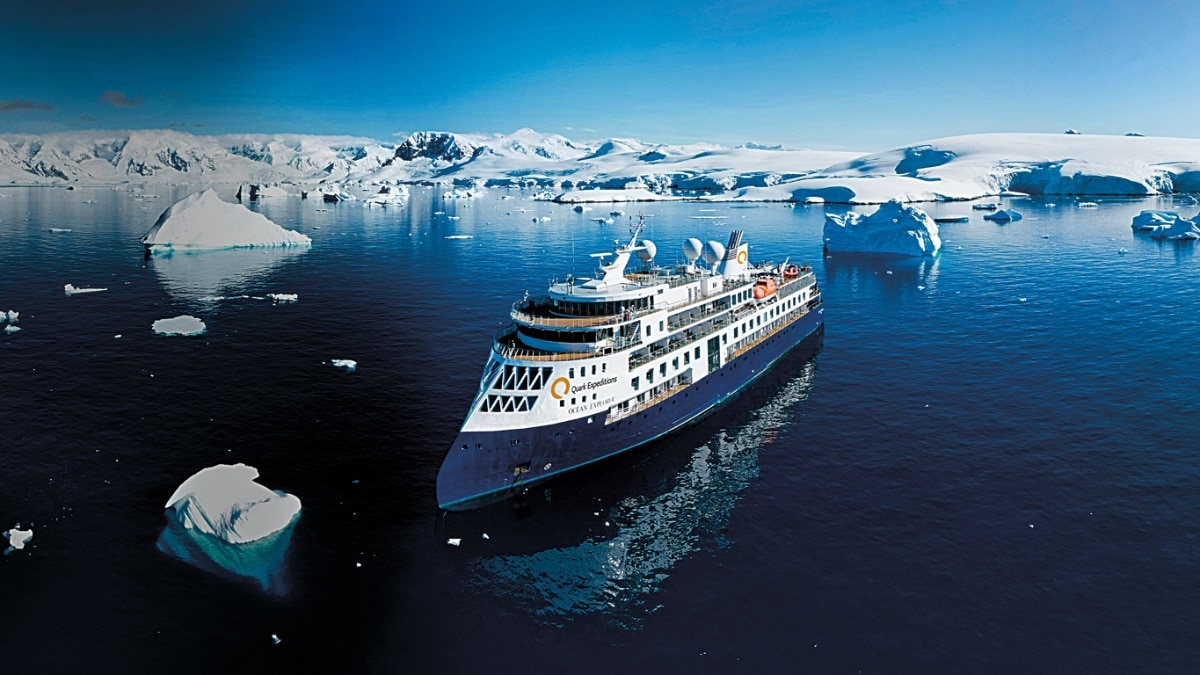
In mid-February, when Gurugram-based luxury travel company Away & Co began promoting its Antarctica journey across social media, WhatsApp groups, and its private client network, the team expected curiosity. What they did not expect was demand. Within weeks, more than 150 enquiries had come in for the journey, priced at $19,995 per person for a seven-night, eight-day trip. It revealed something significant: for a growing number of Indian travellers, the ultimate luxury is no longer the presidential suite in Paris or a private island in the Maldives, but the vast white landscapes of Antarctica and the Arctic.
The polar regions, once the domain of scientists and explorers, are now emerging as one of the most aspirational travel experiences for Indian travellers.
Experiential Travel
According to Ruchi Kohli, Chief of Experiences at Away & Co, the growing interest in polar travel reflects a deeper change in travel philosophy rather than a passing trend. “Polar travel has moved from being a curiosity to a considered travel option and we are seeing a much stronger intent, a much earlier planning cycle, and a much higher conversion rate for niche markets such as the Arctic and Antarctica,” she says.
The shift accelerated after the pandemic, when travellers began prioritising journeys that felt meaningful rather than routine. The polar regions, with their remoteness and strict visitor regulations, represent the ultimate version of what luxury travel has become: rare, difficult to access, and emotionally transformative.
“It’s not just about reaching Antarctica; it’s about how you experience it, interpret it, and carry it with you,” Kohli says. For travel companies, this means building journeys around the expedition itself, including pre-journey preparation, private extensions and curated experiences.
The Cost
Polar travel is expensive, and that is part of its appeal. Expedition journeys typically start at about Rs 15 lakh per person and can rise significantly depending on the route, ship, and level of exclusivity. Add another Rs 3.5 lakh per person for airfare to Argentina or Chile from where these journeys typically start. Because sailing windows are limited and ships carry relatively few passengers, these journeys are usually booked nine to twelve months in advance. The best time to visit Antarctica is from November to March.
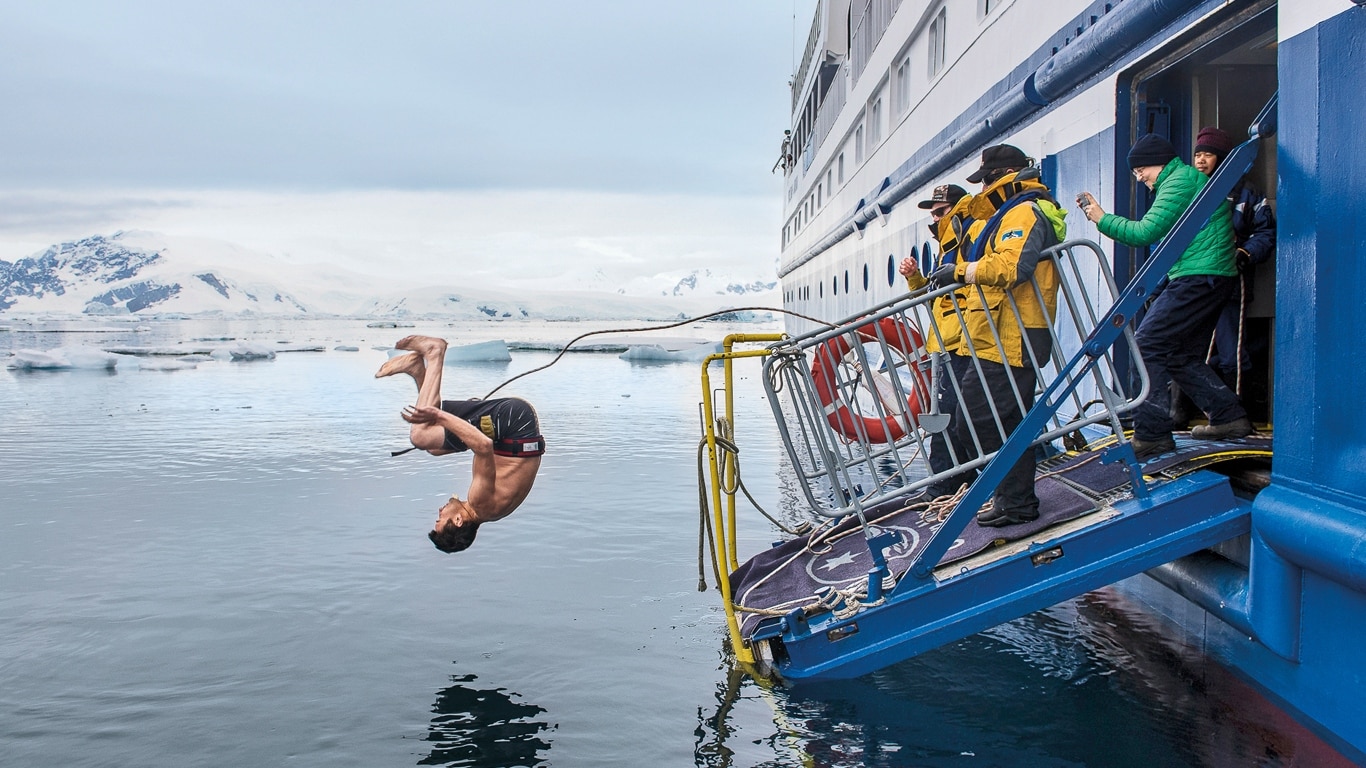
The experience itself is expedition-based rather than cruise-based in the traditional sense. Travellers cross the Drake Passage, explore ice formations by Zodiac boats, land on ice sheets, watch penguin colonies and whales, and attend lectures by scientists and expedition leaders. Activities can include kayaking among icebergs, hiking across polar terrain and even the traditional polar plunge into freezing waters, made extremely popular on social media.
Some operators, such as Thomas Cook, combine Antarctic expeditions with stays in cities such as Buenos Aires or Rio de Janeiro.
Emerging Polar Market
Expedition companies are increasingly recognising India as an important emerging market. According to Quark Expeditions, one of the world’s leading polar expedition operators, India has shown significant growth over the past 12 to 18 months. Travellers range from young professionals to multi-generational families, as well as Indians living abroad.
What is particularly interesting is how Indian travellers approach polar travel differently. Many prefer cabins with balconies, value food options including vegetarian and vegan meals, and often travel in groups or family clusters. There has also been a noticeable shift from fly-cruise expeditions to full sailing expeditions, particularly across the 800-km Drake Passage.
According to Tenille Hunt, Regional Director APAC for Quark Expeditions, Indian travellers are increasingly interested not only in Antarctica but also in the Arctic. Destinations such as Svalbard, known for polar bears and Arctic wildlife, and Greenland, with its massive glaciers and ice sheets, are becoming popular among Indian travellers seeking unusual and remote destinations. An 11-day cruise to the Svalbard archipelago that not only allows you to spot Arctic wildlife but also marvel at the spectacle of continuous daylight costs $10,200 per person on Quark Expeditions. Best time to visit is from May-July.
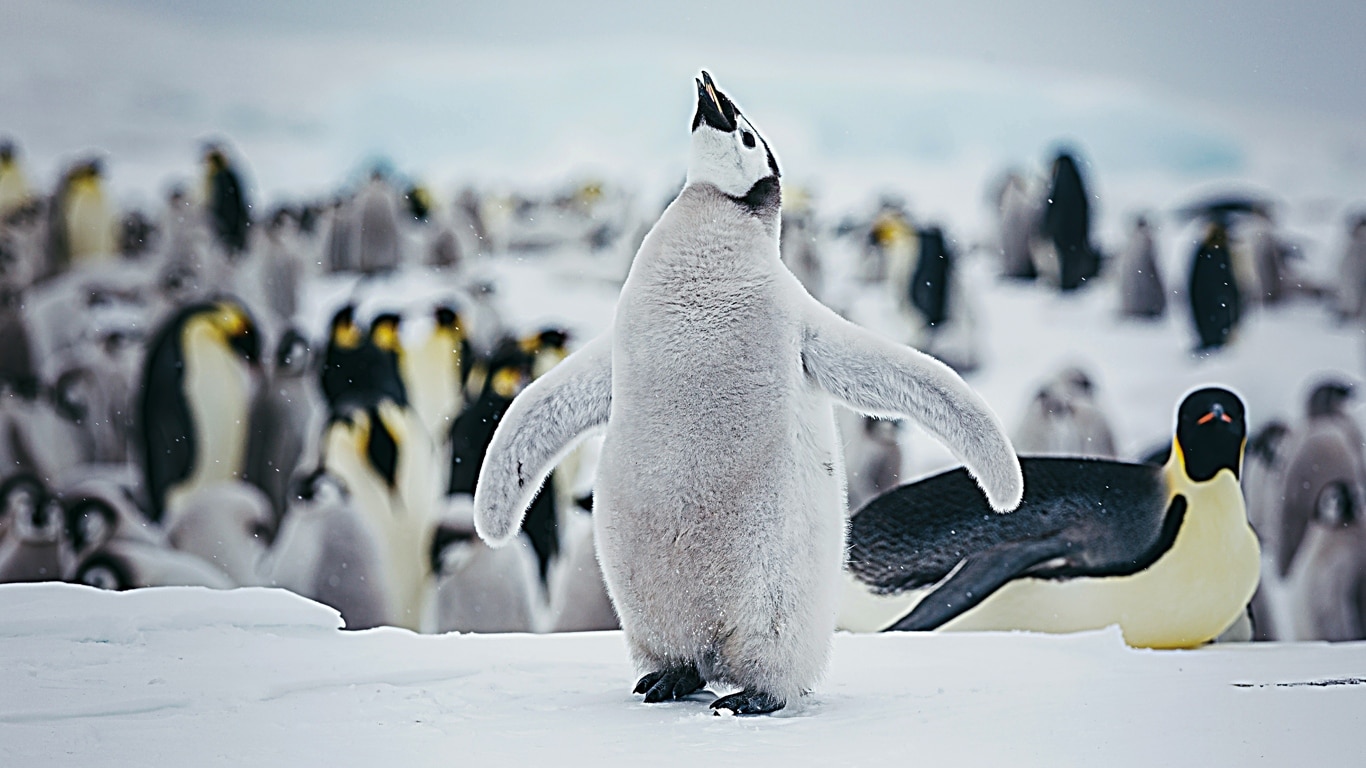
In Antarctica, travellers can see penguin colonies, whales and seals against dramatic ice landscapes. In the Arctic, the draw includes polar bears, walruses, reindeer and seabirds. However, the appeal goes beyond wildlife.
Kohli believes that the attraction lies in the rarity of access itself. “Access has become a form of luxury,” she says.
Another notable trend is the changing demographic profile of polar travellers from India. Polar expeditions were once dominated by older travellers, often retirees with time and resources. Today, the market includes younger, financially independent travellers, as well as multi-generational families travelling together.
Food, comfort and cultural considerations remain important even in remote regions. Expedition ships now offer fine dining, vegetarian and vegan options, and varying activity levels to suit different fitness levels, making polar travel accessible to a wider range of travellers.
The growing interest of Indian travellers in polar expeditions reflects a broader redefinition of luxury travel—defined by access, rarity, storytelling and personal transformation. It’s not simply a holiday, but an expedition. It’s not just a destination, but an experience that feels like a once-in-a-lifetime journey.
The ultimate luxury is no longer where everyone goes, but where only a few do.


