
After honing their skills at Kishore Biyani’s Future Group, Rahul Bhalchandra and Rajeev Bopaiah bit the entrepreneurial bullet in 2008 and ventured into the beauty services industry. Backed by Rs 20 crore in venture funding from Helion Ventures, the duo’s firm—YLG (You Look Great) Salon and Spa—has opened eight units last year and plans to launch one new salon every month in 2009.
Growth driver
|
YLG is not the only salon on a launch drive. Chennai-based CavinKare’s group company In Vogue has two brands—Limelite and Green Trends—both planning new launches. “We will expand by 25 to 30 per cent over the next couple of years,” says C.K. Ranganathan, CEO of CavinKare. Kaya Skin Clinic, which has 76 salons in India, has announced plans to add another 15 in the next quarter. “People like to look good during all seasons,” reasons Rakesh Pandey, CEO of Kaya.
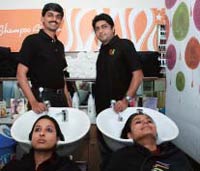
However, some bottlenecks such as shortage of trained manpower remain. To solve the crisis, many chains now have their own academies to train employees. “Around 600-700 trainees go through our programme annually,” says Kaya’s Pandey. At YLG, too, no one is allowed to tend to a customer before completing a 10-week rigorous training programme.
—Rahul Sachitanand













