












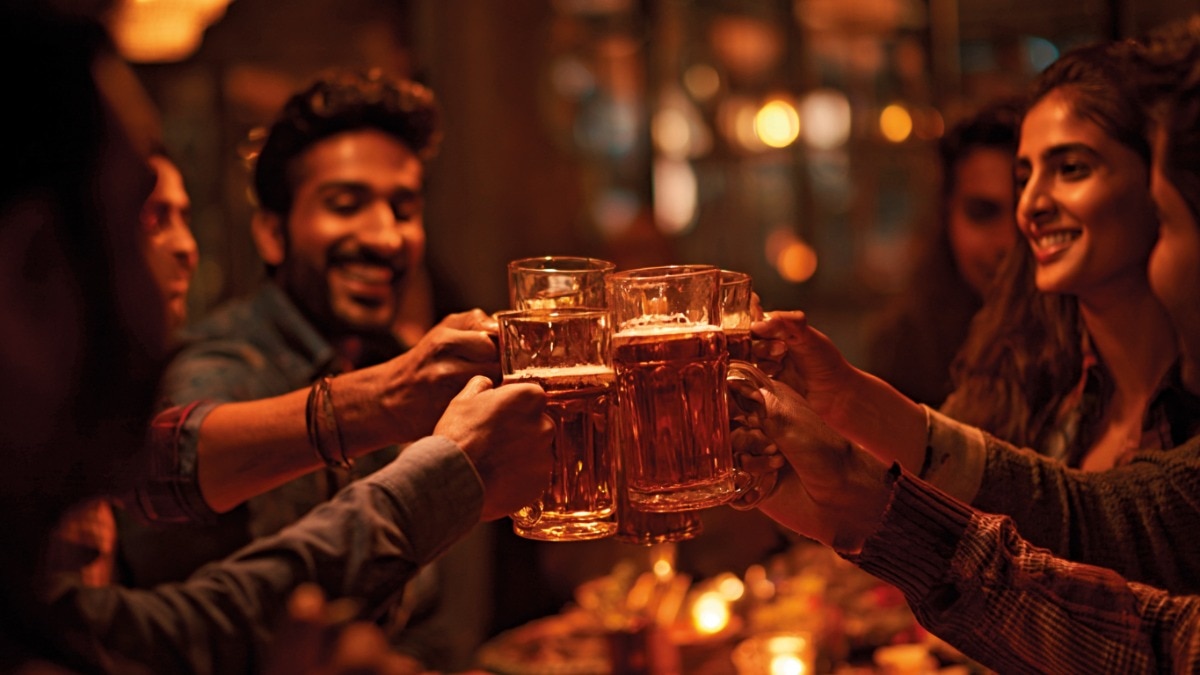
Say “beer” and watch faces brighten. Pour a glass and smiles get bigger. No wonder this often pale, bubbly drink is the third most consumed beverage worldwide after water and tea.
Familiar, friendly, and endlessly tweakable, beer is a crowd-pleaser with room for every palate—from crisp and clean to dark and dessert-like. Some of the most popular varieties include lagers which ferment cold and clean—one reason they dominate India’s mass market. Pilsners, a Czech-born subset, are golden and hop-forward with a snappy, bitter finish. Wheat beers soften that edge with a cushion of protein and haze. The better ones carry notes of banana, clove, or orange peel, a pleasant fit for long summers. Pale ales are amber, balanced, and moderate in bitterness.
Then there are Indian pale ales, or IPAs, called so because they were produced in England and consumed to endure the long sea voyage to Indian ports. They now range from citrusy to resinous and often have higher alcohol content. Stouts are dark, rich beers that often feature roasted malt flavours, with notes of coffee, chocolate, and caramel. They can range from dry and bitter to sweet and creamy, depending on the brewing process and ingredients used. Porters are similar to stouts with their dark colour and roasted malt flavours, but tend to be lighter in body and less intense in flavour. Belgian-style ales are known for complex flavours, which can include fruity, spicy, and earthy notes. They are often brewed with unique yeast strains that impart distinctive characteristics to the beer.
While India continues to be a strong spirit (read whiskey) market, demand for beer is growing. Consider this: in FY25, sales rose to about 450 million cases from 405 million in FY24, as per the Brewers Association of India. A report by Market Research Future projects the market will grow from $13.4 billion in 2024 to $20.2 billion in 2032, at a compound annual rate of 5.2%.
There’s headroom too. India ranks 13th in total beer consumption at around three billion litres. Yet, the per-capita sits near two litres versus the global average of close to 30.
Also, we love our strong beers (above 5% ABV), which account for nearly 85% sales. “Strong beer will continue to dominate but we are seeing an uptick in milder beers too,” says Atul Kumar Singh, Co-founder of Lone Wolf beer from Onkara Beverages. “People are becoming more taste-conscious,” he says. “They want a smooth beer, and they don’t want a bad morning the next day.” Lone Wolf sold about 130,000 cases in 2023, its launch year, finished fiscal 2024 with over 250,000 cases, and fiscal 2025 with around 300,000 cases. The company is projecting 25-30% growth this year. The beer is currently available in Delhi, Chandigarh, Rajasthan, Goa, and Kerala. The company brews out of Punjab and Telangana and is currently bootstrapped, but outside investment is on the horizon.
At Fort City Brewing, a brewpub in Delhi that opened a couple of years ago, the tap list runs to eight at any given time. The co-founder, Gautham Gandhi, says lagers still lead sales, but one of his top movers is the saison, a Belgian farmhouse-style beer once brewed for field hands. “Lagers are a no-brainer,” he says. “Simple, non-complex beer that continues to sell the most, followed by IPAs and then the saison.” He credits cocktail culture with broadening palates. Last year, he tried a pani puri sour that tasted like street food in a glass. He produces a jowar lager with millet in the grist for a lower-gluten profile, an oatmeal stout with about 15% oats for body, and an American-style wheat beer flavoured with Nagpur oranges he calls Orange Popsicle. “We use at least one Indian ingredient in each beer and try to debut something new every few months,” says Gandhi. Production has grown to about 5,000 litres a month from 3,000 at launch.
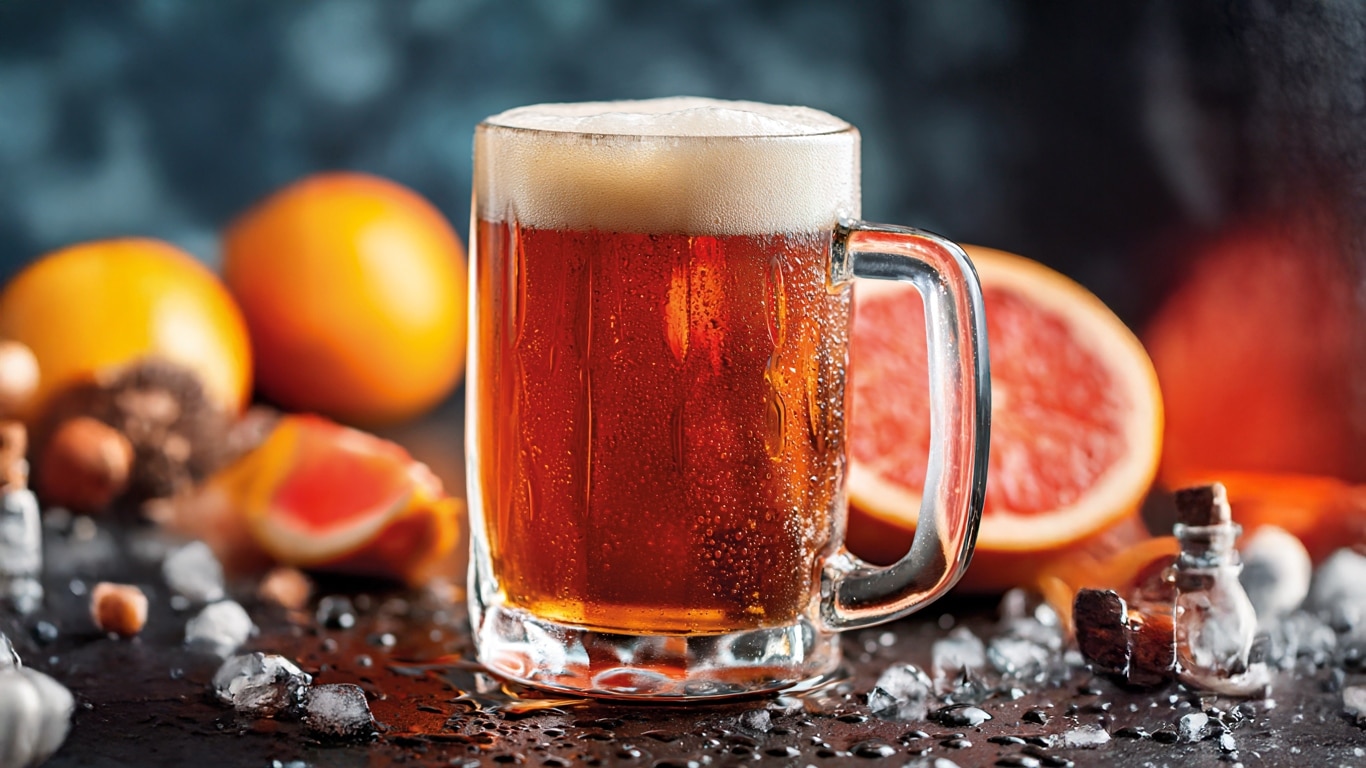
While brewpubs in Delhi are not allowed to bottle their beers, a host of craft beer players across the country are experimenting with flavourful, mild beer. Take Kati Patang, set up by husband-wife duo, Shantanu and Lata Upadhyay, in 2018. The couple quit their corporate careers in consulting and advertising, respectively, to devote their energies to beer. Their line-up includes Saffron Lager alongside mild styles like Zesty Amber and Snappy Wheat and strong labels such as Bareilly Bold and Bareilly Extra Bold. The wheat beer folds in peppercorn, coriander, ginger, and turmeric, while the lager has saffron. “Our beer is created for the Indian palate,” says Shantanu. He argues that demand for mild beer is rising because people want the social time more than the punch, though retail remains tilted toward strong as store owners stock what moves the fastest. Regulations complicate the picture. With alcohol laws differing from state to state, smaller players find it difficult to operate across the country. Kati Patang currently sells in Delhi, Himachal Pradesh, and Uttarakhand, with Haryana, Chhattisgarh, and Rajasthan next on the company’s radar. But it also exports its Saffron Lager to the US.
While you probably don’t need an excuse to have beer, if you are looking for one, remember that beer has been brewed for over 5,000 years, and the ancient monks knew what they were doing!
@smitabw


