












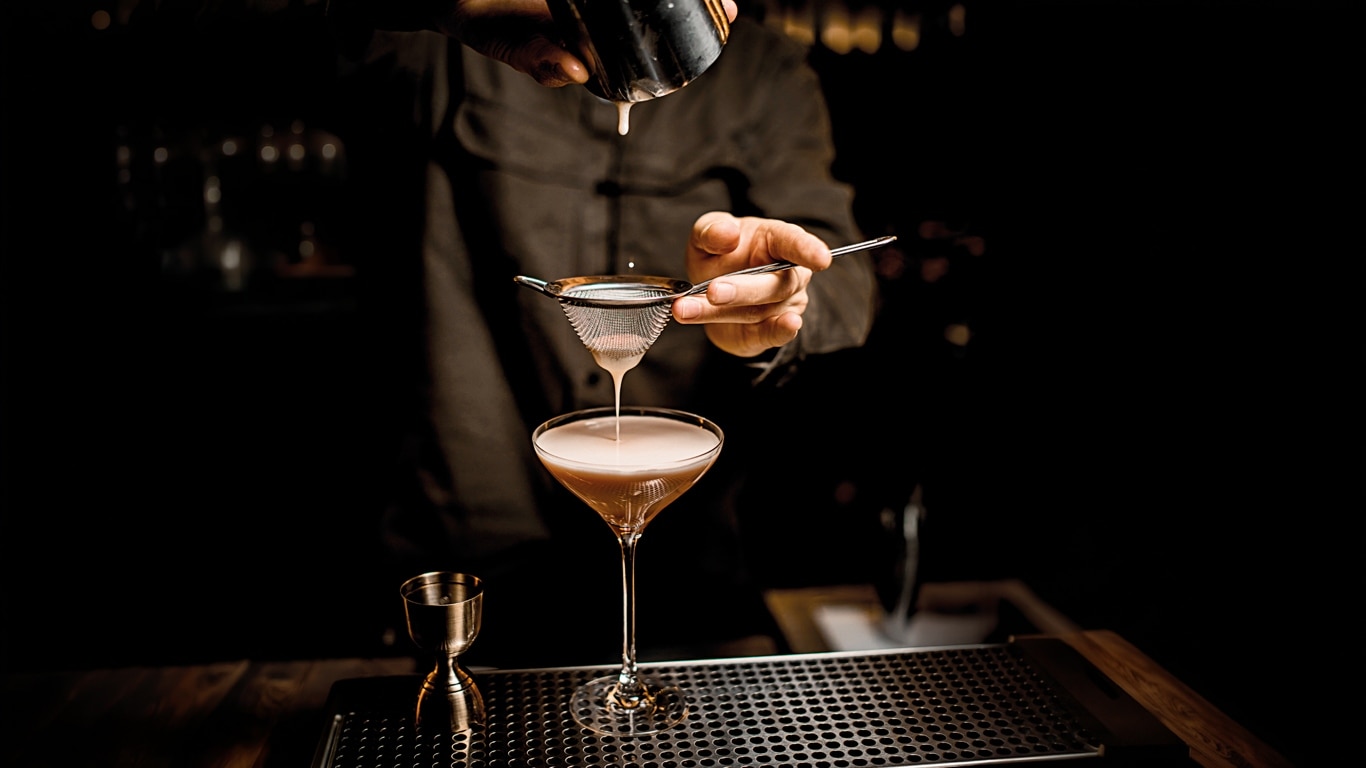

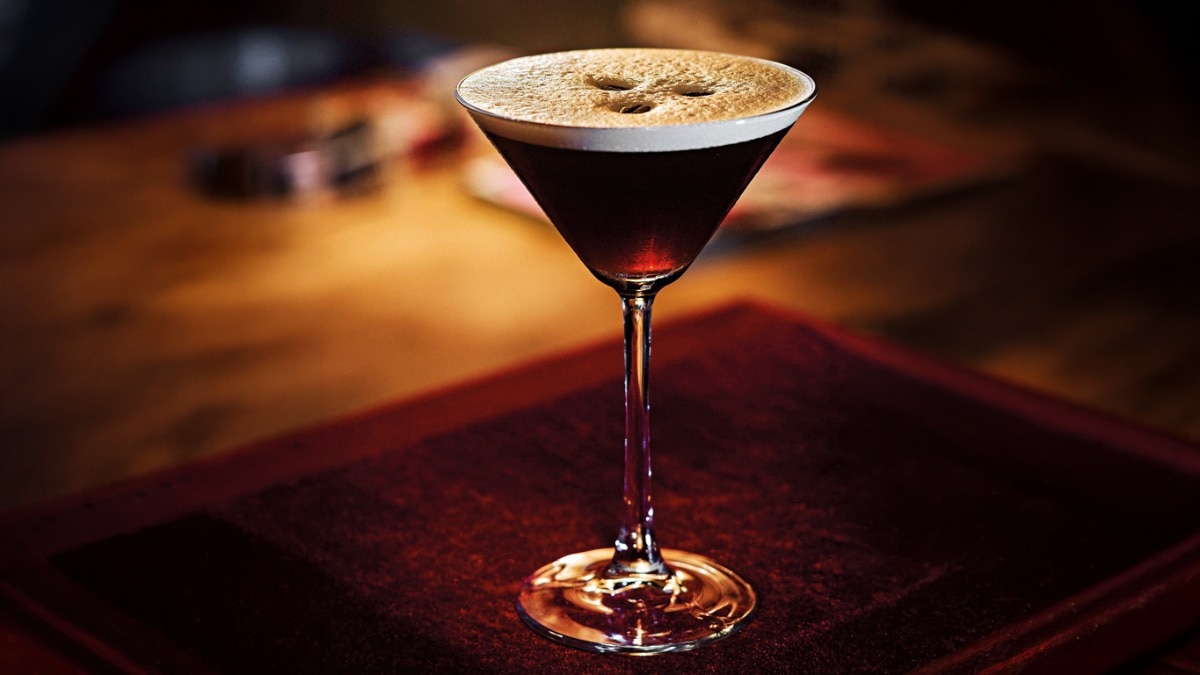
At one of New Delhi’s latest bars, Barbet & Pals, co-founder and mixologist Jeet Rana is shaking an espresso martini into being. It arrives cool, frothy, faintly bitter, and caffeinated.
A few buildings away, at Sidecar, a bar known as much for its many accolades as for its cocktails, ‘Kaapi Time’ is a signature. Across town, at its sister bar in Gurugram—The Brook—it is the rum espresso martini with a double shot of espresso, that’s frequently ordered.
Coffee, once a morning ritual, has found a new hour.
And thanks to that, coffee liqueur is stepping into the spotlight. It’s slow but steady arrival is shaped as much by India’s evolving café culture as by a growing appetite for premium, flavour-led drinking.
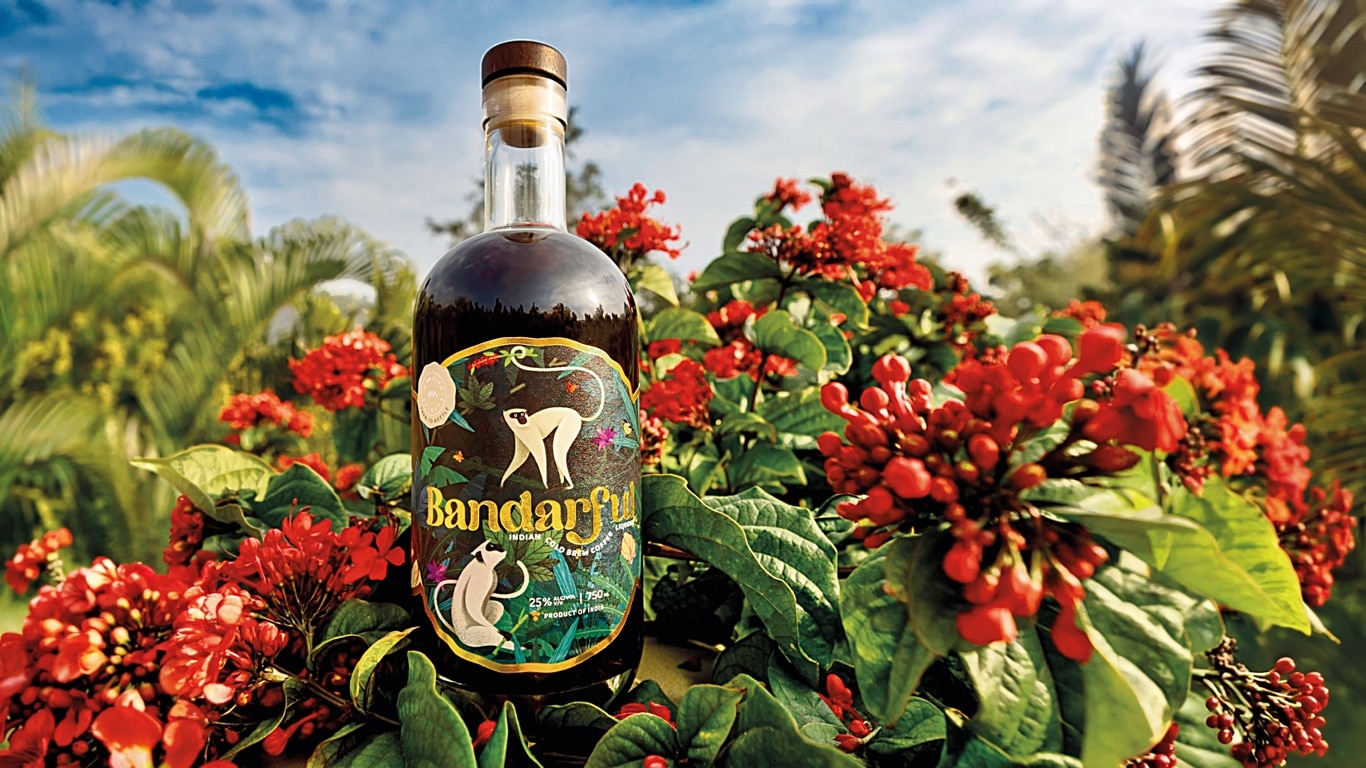
“Coffee liqueur has started feeling a lot more relevant in India,” says Samarth Prasad, Co-founder of Himmaleh Spirits that launched Bandarful coffee liqueur in January 2024. “People today are moving towards more premium, experience-led drinking,” adds Ansh Khanna, the brand’s other co-founder. The shift they describe is visible not only in what is poured, but in how it is appreciated. Things like where the beans come from, how they are processed, etc., now matter as much as the flavour profile.
COFFEE CULTURE
Over the past decade, India’s relationship with the coffee bean has deepened. Single-origin labels, cold brews, and home-grown cafés have introduced a generation of drinkers to varied flavour profiles and nuance. And coffee liqueur is an extension of that. “It doesn’t feel foreign; it feels like an extension of what people already enjoy,” says Rana. Adds Vikram Damodaran, Chief Innovation Officer, Diageo India, “There is a natural familiarity with coffee in India, which makes coffee liqueur an easier entry point compared to many other flavours. That familiarity lowers the barrier to trial in a category that is still evolving.”
However, Prasad of Bandarful insists that it is primarily the premiumisation of spirits that is driving growth. “It would be somewhere around 60–70% coming from premiumisation and 30–40% from coffee culture,” he says. At-home consumption is growing quite quickly. More people are experimenting with making drinks themselves and trying to recreate what they’ve had outside. The post-pandemic shift towards home entertaining has accelerated this behaviour, he explains.
Yangdup Lama, mixologist and Co-founder of Sidecar, The Brook, and Cocktails & Dreams, says that while coffee liqueur is still niche, it is definitely gaining traction. However, in India, few drink it neat; fewer still treat it as a digestif. “Its strength here is clearly as a mixer or flavour component in cocktails,” Lama explains.
RISE OF INDIAN BRANDS
For years, coffee liqueur in India was synonymous with imported labels, often sweeter and standardised. Today, a new generation of brands is experimenting with origin, roast, and flavour.
For Olson Pereira, Co-founder of Quaffine Cold Brew Liqueur, the logic was intuitive. “It was coffee which was going to be big because of our love for the drink,” he says. His approach departs from convention. Quaffine which was launched in 2022, uses less sugar, avoids flavour-masking additives, and relies on cold brew extraction to preserve the integrity of the bean. The result is a liqueur that feels more flavourful.
This emphasis on authenticity extends beyond flavour. Indian brands are increasingly foregrounding sourcing, drawing on beans from Chikkamagaluru, Kodagu, and the Western Ghats. Bandarful, for instance, positions itself as “farm-to-bottle”, with coffee being the defining ingredient. It is a language borrowed from food, but one that resonates in spirits. Rana observes that Indian liqueurs are “becoming more interesting by experimenting with origin-based beans and less sugar.” He adds, “There’s a strong shift towards supporting and working with Indian products.” Adds Lama, “From a practical standpoint, sourcing is easier, logistics are smoother and costs are significantly lower compared to imports.” But beyond that, he says, quality has really improved. “Bartenders now have a strong local alternative that can match—or even outperform—global options in certain applications. So, it’s both a creative and a commercial decision.”
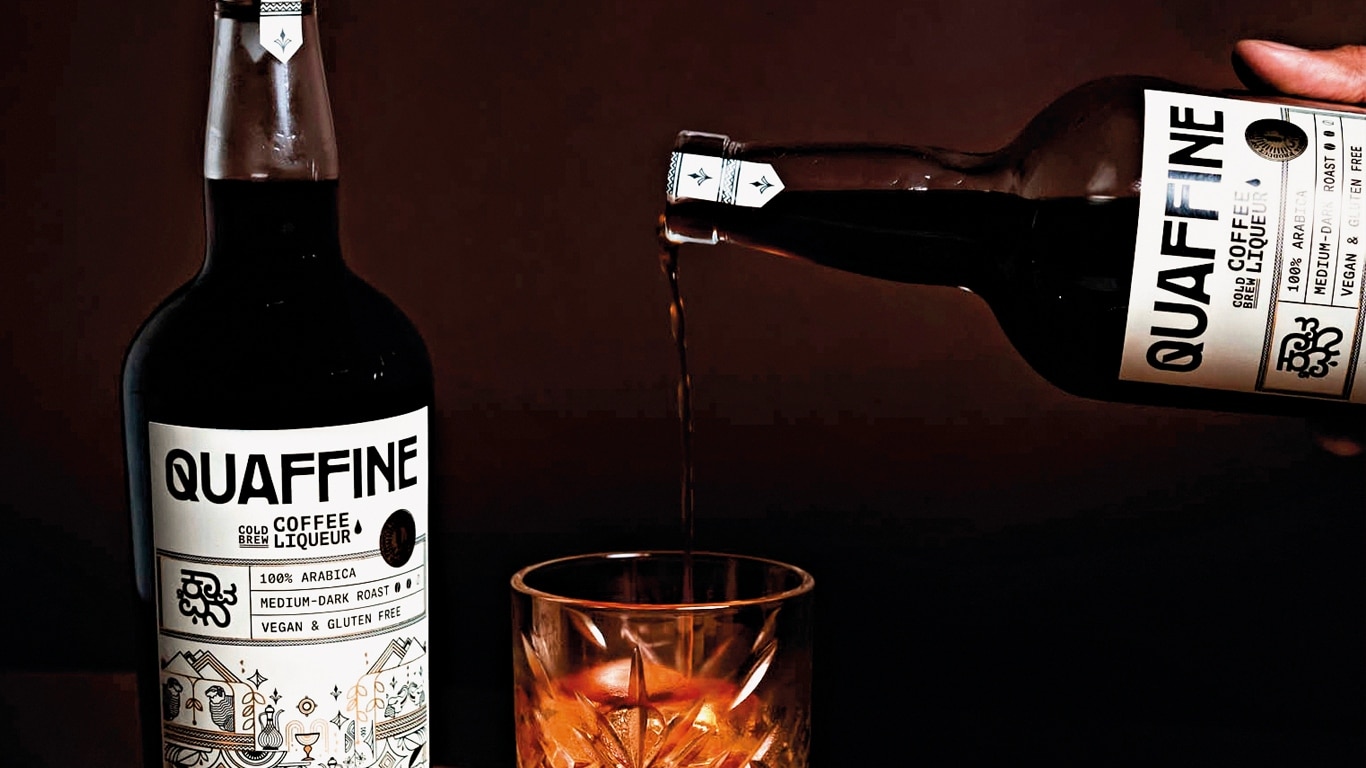
Quaffine, which is produced in Goa, has expanded from there to multiple Indian cities including Delhi-NCR, Mumbai, Pune, Bengaluru and international markets such as Thailand and Kenya. In 2024, Diageo bought a 25% stake in Quaffine. Pereira says since then the brand has grown 2.5 times. He is bullish and expects production to double this year. “From the current 3 tonnes of coffee, we will need 6 tonnes this year.” It’s a far cry from the time when shopkeepers in Goa questioned why anyone would pay Rs 1,650 for an Indian brand. “I didn’t understand that since you don’t pay for origin, only for quality,” smiles Periera, happy to have been proven right.
Bandarful, meanwhile, has been focussing on building a strong presence in the right markets. It has grown from a few initial regions to cities like Delhi, Gurugram, Goa, Bengaluru, Mumbai, Pune, Pondicherry, and Uttarakhand. There’s also early international movement in markets like the US, UK, West Asia, and Italy, where there is strong interest in craft, origin-led spirits. It was recently named the World’s Best Liqueur at the 2025 USA Spirits Ratings, adding to its international recognition.
While commercially, the category remains extremely small, with Pereira slotting it at less than 1% of the alco-bev market, it is likely to expand through the decade, thanks to urban consumers, rising disposable incomes, and a willingness to experiment.
Little wonder, India’s coffee liqueur story is still being written, one pour at a time!


