













"It’s always tea-time,” said the Mad Hatter in Alice in Wonderland. He could just as well be talking about Indians who love their chai so much that they can have it any time of the day. For us, tea has long been a daily ritual, poured into little cutting chai glass tumblers at roadside stalls, or simmered with milk and spices in millions of homes. But a quieter shift is unfolding at the higher end of the market. Tea is being repositioned not simply as a comforting beverage but as a luxury experience, driven by younger consumers and a growing awareness of its health benefits.
The change is visible in boutique tea rooms, curated online stores and luxury hotel menus where teas are described with the same care once reserved for fine wines. Single-origin leaves, artisanal blends, rare harvests and everything from Ashwagandha to Chamomile is finding an expanding audience among young urban consumers who are as interested in wellness as they are in flavour.
According to the India Premium Tea Market Report and Forecast 2025–34 by Research and Markets, the country’s premium tea market reached 1.15 million tonnes in 2024 and is expected to grow at a CAGR of 4.2%, reaching 1.74 million tonnes by 2034. Rising disposable incomes, urbanisation and health-conscious lifestyles are pushing consumers toward higher-quality, specialty teas, it says. Exports are also strengthening: India’s tea shipments rose 9.92% in 2024, reaching 254.67 million kilograms, indicating strong international demand.
But the most notable development is taking place closer home. “Historically, the demand for high-end Darjeeling teas has been driven by international markets such as Japan, Germany and the United States,” says Rudra Chatterjee, managing director of Luxmi Tea Co Private Ltd, that owns the Makaibari tea estate. “However, in the last few years, we have seen a noticeable shift in India as well. Indian consumers are becoming more curious.”
That curiosity is changing how luxury tea itself is defined. For decades, high-end tea was associated primarily with rarity or price. Today, producers say the concept has broadened to include sustainability, provenance, and craftsmanship.
“For us, luxury in tea has never meant extravagance,” says Chatterjee. “It means rarity, purity and a deep connection to nature. A truly luxurious tea reflects its terroir—the soil, the altitude, the weather, and the people who nurture it.”
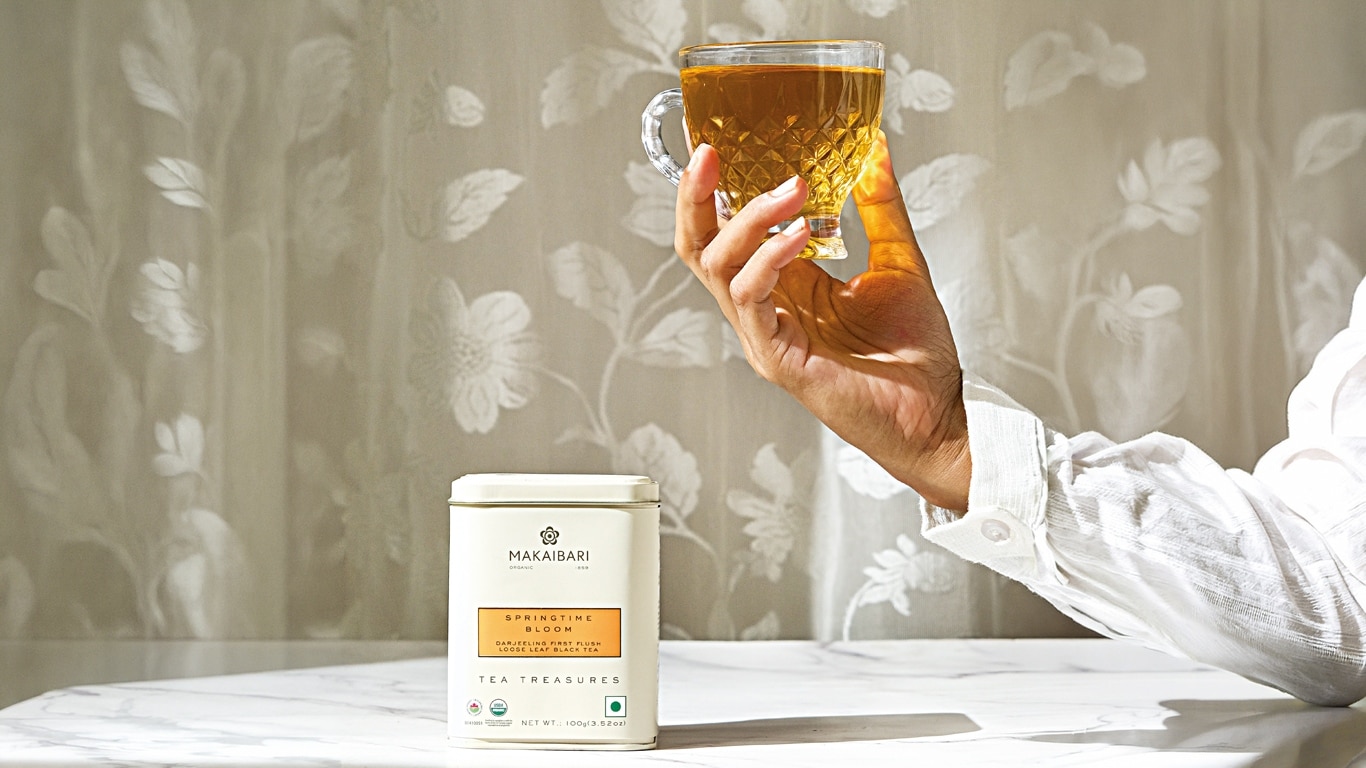
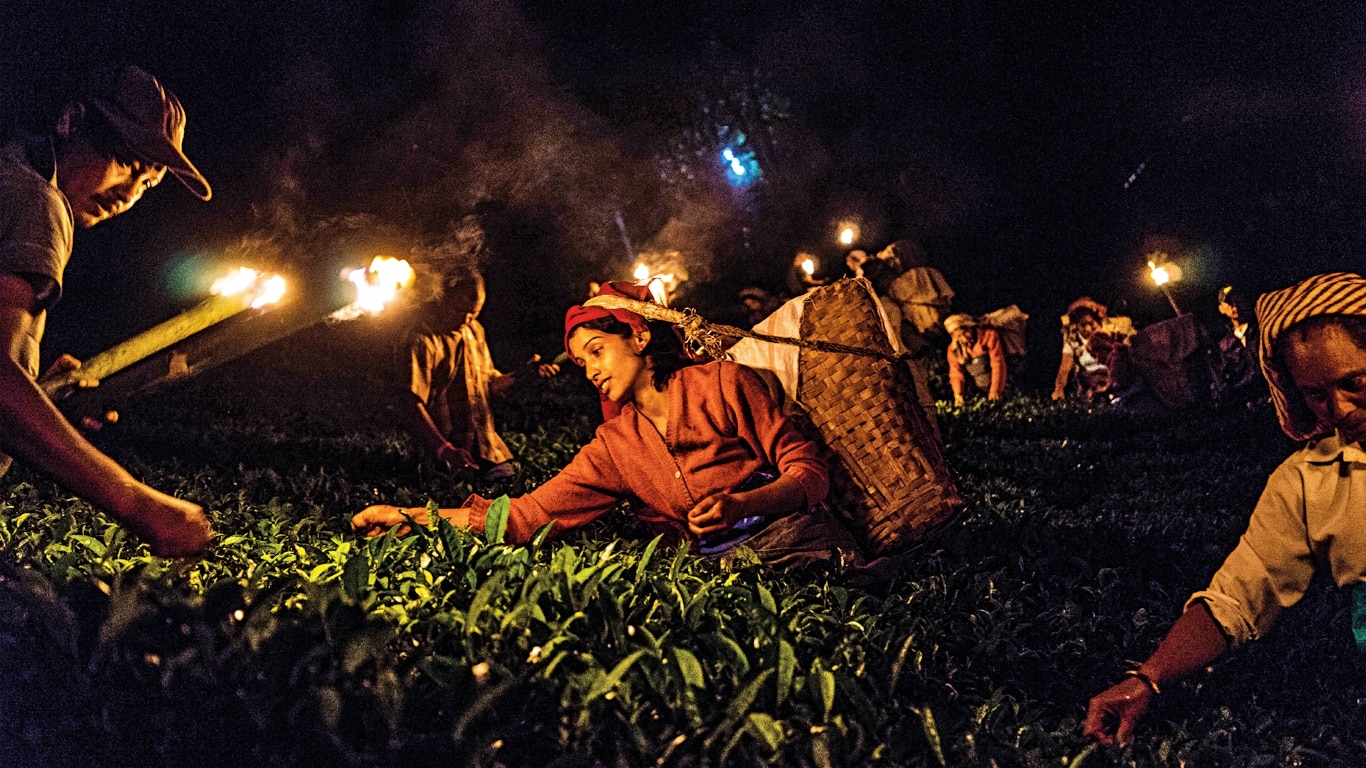
At estates like Makaibari in Darjeeling, leaves are hand-plucked and processed in small batches, often using biodynamic farming methods. The result is tea that varies subtly from season to season, an attribute prized by connoisseurs. Mass-market teas, by contrast, are designed for consistency and produced in large volumes. Luxury tea embraces variation and scarcity, explains Chatterjee. A legendary tea from his estate is the Silver Tips Imperial—a rare moonlight-plucked tea made only from tender buds. It is considered one of the finest and rarest teas from Darjeeling. It is priced at Rs 1,950 for 50 gm.
The new consumer driving this shift is not just the traditional tea collector. Increasingly, it is the younger, wellness-oriented buyer.
“India has always been a major tea-producing country, but we are now seeing it evolve into a far more health- and wellness-conscious consumption market,” says Annapurna Batra, Chief Operating Officer of Newby Teas India. The luxury tea company offers various exotic teas, including a collection from British designer Mathew Williamson, where each caddy is designed by him. The gift set is priced at Rs 14,000.
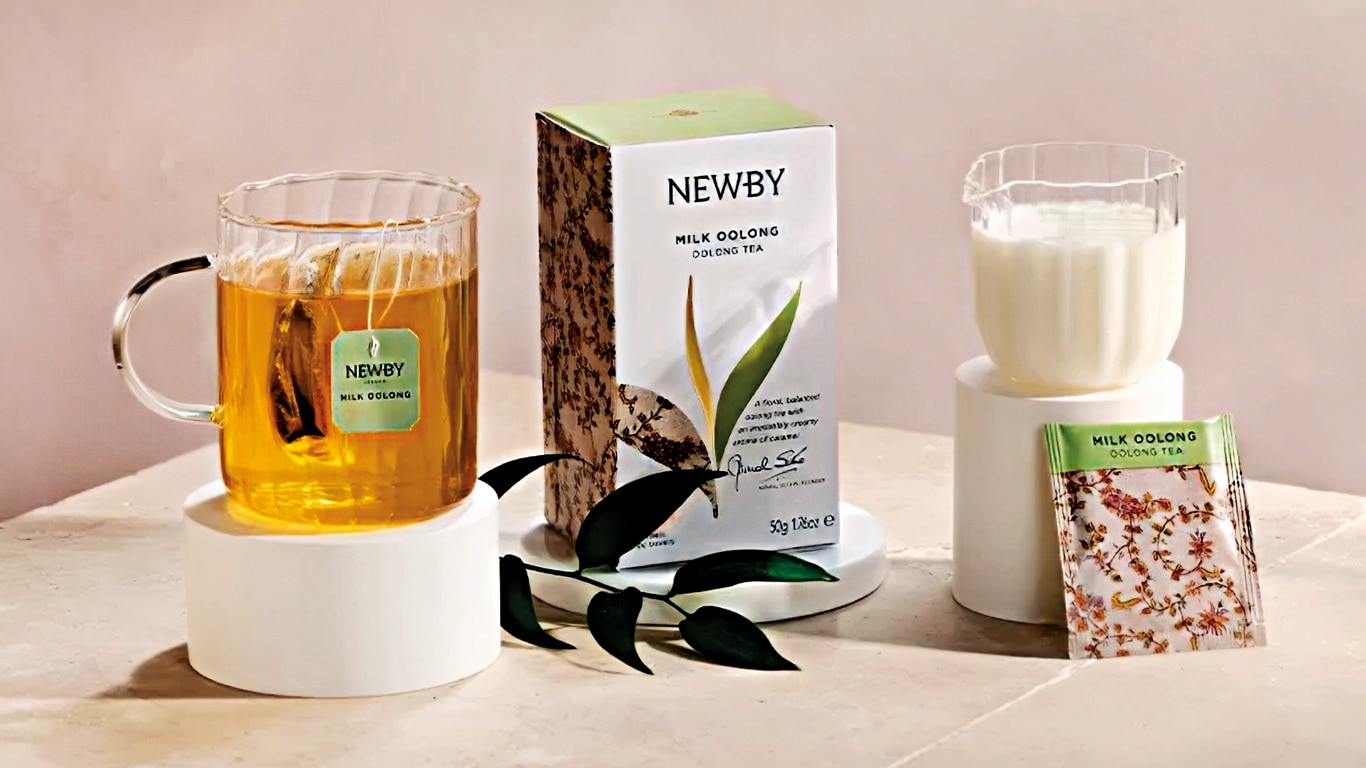
The pandemic accelerated this shift. As consumers began prioritising health and immunity, many turned to green, herbal, and white teas that promised both flavour and functional benefits.
International labels like TWG Tea, which launched in Singapore in 2008 and now offers more than a thousand single-estate teas and proprietary blends, have helped elevate tea into the realm of lifestyle luxury. Their ornate packaging and salon-style tea rooms frame tea as both indulgence and ritual.
Indian brands are also entering the space. Boutique labels such as Hillcart Tales, No. 3 Clive Road, Sancha Tea and Vahdam are marketing curated collections that emphasise terroir, storytelling and modern flavour profiles.
Hillcart Tales offers imaginative blends like Apple Strudel (Rs 990), Caramel Dream (Rs 830), Blood Orange (Rs 1,020), teas designed to satisfy dessert cravings.
Then there are rare teas such as Swarna Panam, an Assam black tea infused with 24-carat edible gold flakes, priced at roughly Rs 2.5 lakh for 1 kg. These ultra-premium teas function as both luxury collectibles and statement gifts.
“The modern luxury tea consumer is actually a blend of several groups,” explains Batra.
Younger consumers want transparency, sustainability and digital engagement. “They want to know the people behind the tea, the farms and the philosophy,” says Chatterjee. “Storytelling and traceability have become essential.”
At the same time, India’s heritage teas are gaining renewed recognition abroad. According to Indian premium tea market analysis, premium Darjeeling teas saw price increases of 10-15% in 2024, helped by geographic indication certification and stronger global branding.
If the market continues its current trajectory, tea in India may soon occupy a space similar to fine wine—a beverage that tells stories about craftsmanship and culture.


