













Having travelled to to over 35 countries, I’ve grown accustomed to brusque airport security checks and rushed interactions. So, imagine my surprise when at Osaka airport, after removing my shoes for screening, I was handed a pristine pair of red slippers to walk through the metal detector. My belongings, neatly laid out in the tray, were gently covered with another—an elegant nod to personal privacy. All this, done with smiles and the signature Japanese efficiency.
While Japan dazzles with its ancient temples, tranquil Shinto shrines, and exquisite cuisine, what truly sets it apart is the charm of the everyday. This is a nation where Uber drivers wear white gloves, lace-draped seats adorn taxis, and no detail is too small. Even at restaurants, where language can be a barrier, staff go out of their way—often armed with Google Translate—to ensure you feel cared for. Tipping isn’t customary, and if you do leave one behind, don’t be surprised if someone chases you down to return it.
As a solo female traveller, I felt completely at ease, whether wandering late at night through Tokyo’s buzzing Shinjuku and Shibuya or exploring the neon-lit lanes of Osaka’s Dotonbori. Here, you can misplace your wallet and find it untouched—because in Japan, integrity is a way of life.
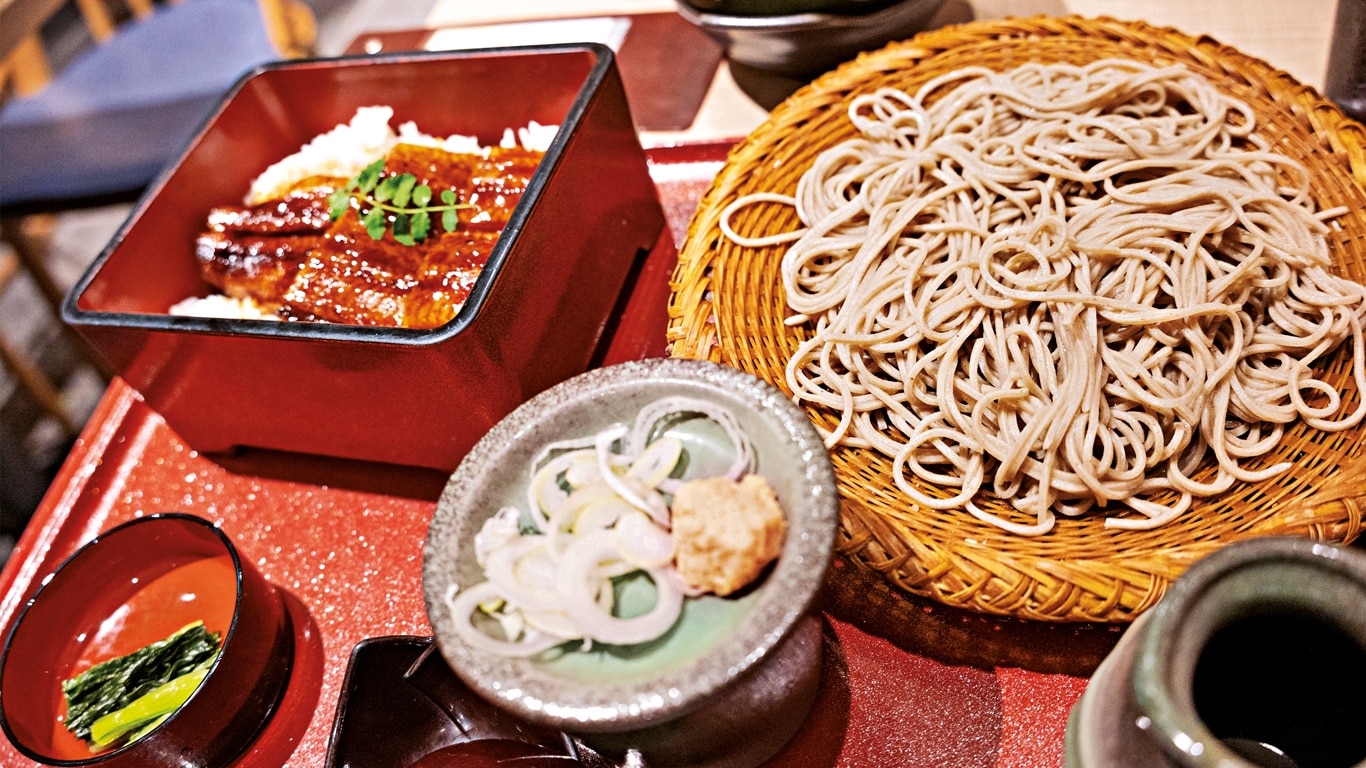
“Japan received 36.6 million visitors in 2024 and is aiming for 60 million by 2030,” says Luiz Rodrigues, Regional Manager for Japan at Booking.com, a digital travel agency. Indian tourists are part of this surge. After a record 2,33,100 Indian visitors in 2024, the growth has accelerated further in 2025. Between January and May this year, approximately 142,400 Indians visited Japan—a 39.6% rise over the same period in 2024, which saw 102,100 arrivals. “We noticed certain hotels in Tokyo were especially popular with Indians,” Rodrigues adds, “and we soon realised they were surrounded by Indian restaurants.” We Indians may be keen on finding restaurants serving home food, but in Japan, don’t restrict yourself to the familiar. It is a land where it’s nearly impossible to have a bad meal, bad service, or bad sake! So, skip the Indian joints and head to a local izakaya (lively Japanese pubs tucked into alleys) for sake and great Japanese food including warm bowls of ramen and crispy yakitori (Japanese skewers). Vegetarians, though, have limited options—potato salad, tofu, and edamame being the more common choices.

Most first-time visitors follow the famed Golden Route—Tokyo, Kyoto and Osaka—a heady mix of culture, food and nightlife.
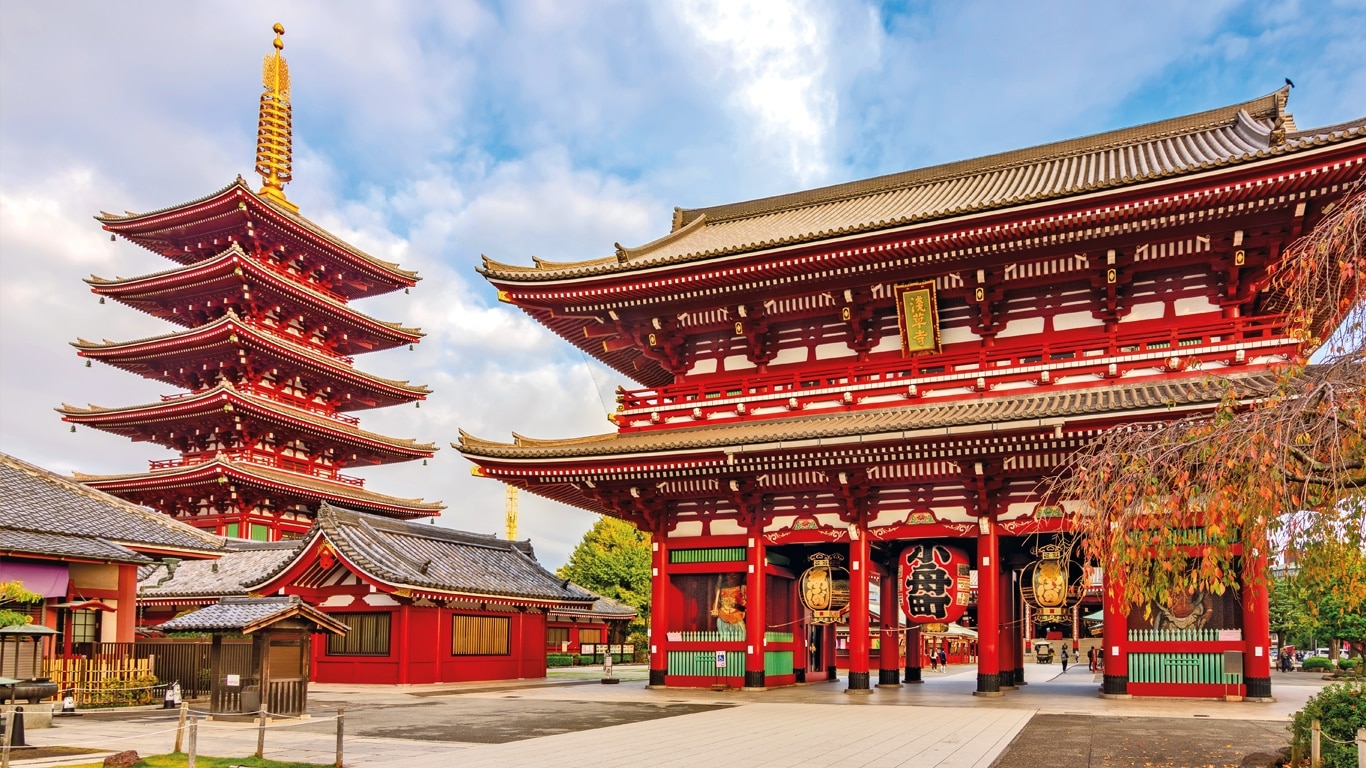
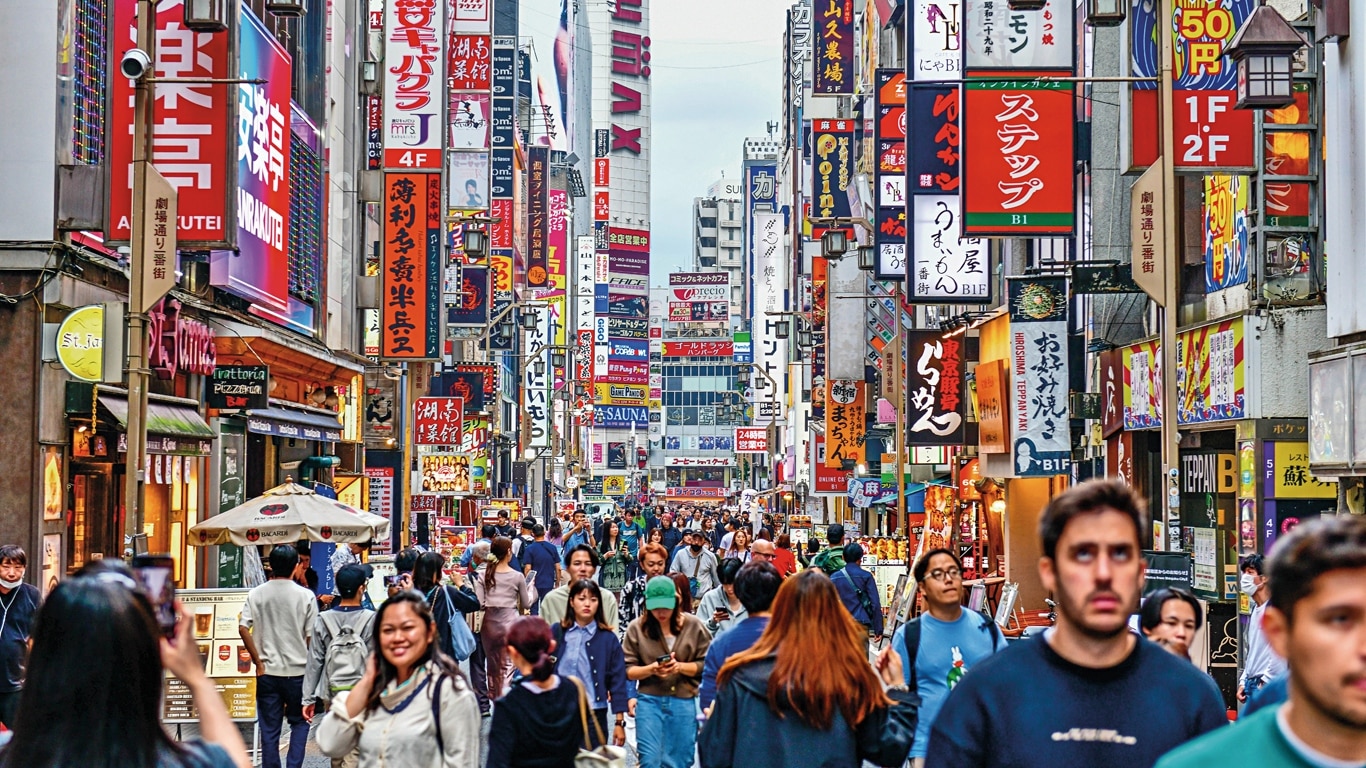
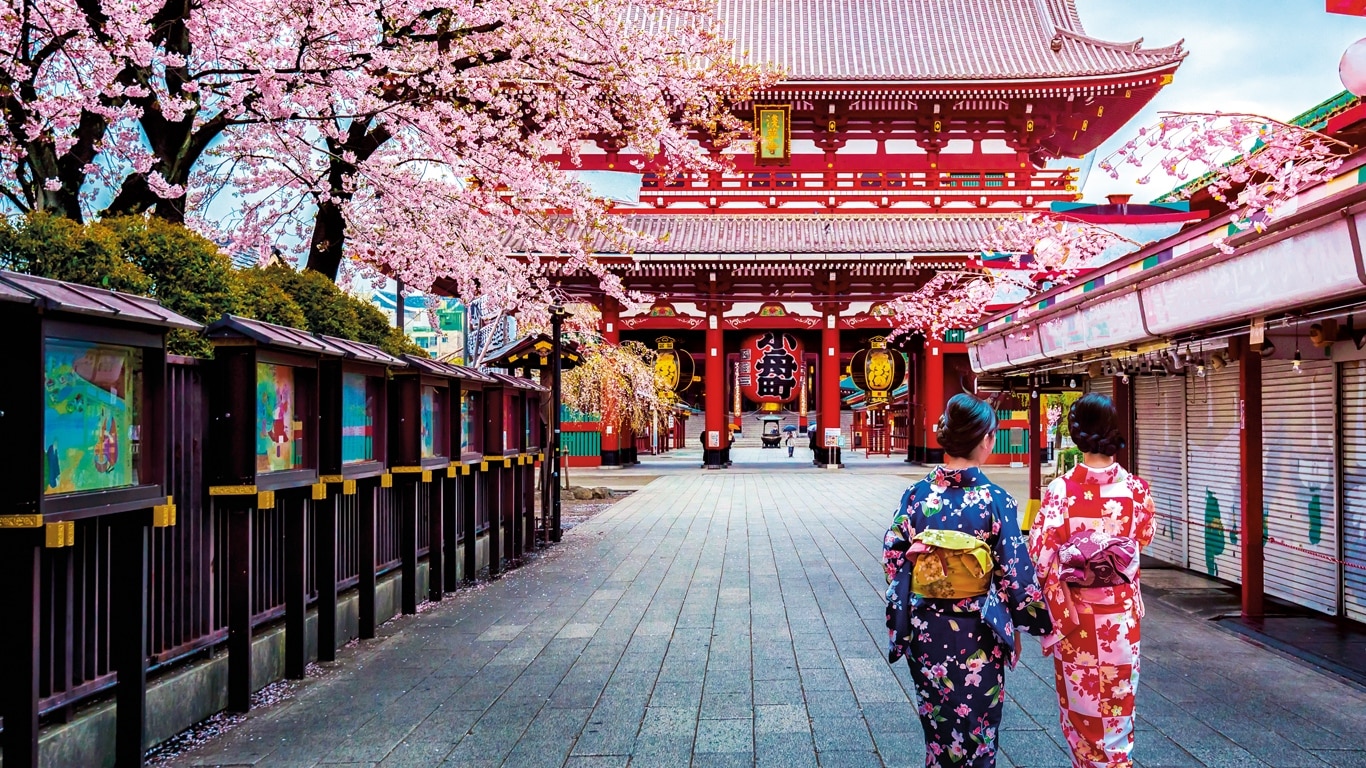
Start in Tokyo at Senso-ji, the city’s oldest and most significant temple, founded in the 7th century and dedicated to Kannon, the goddess of mercy. Grab lunch at a conveyor-belt sushi spot. Pick up whatever it is that you would like to eat and later the restaurant will bill you for the number of plates. The sushi is good, not great, but it’s worth experiencing. End the day in Shinjuku’s Golden Gai, ducking into bars no bigger than a closet, or in Shibuya’s thumping nightclubs.
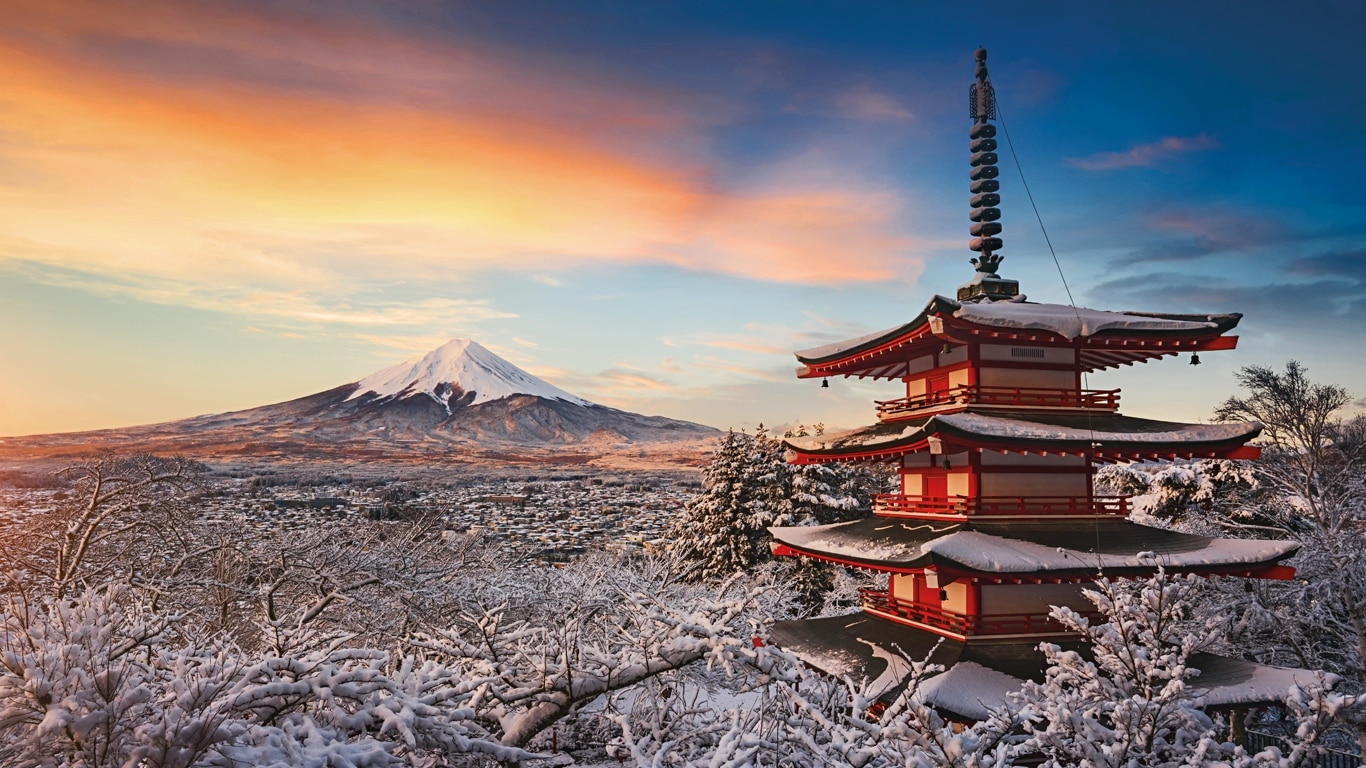
For a classic day trip, head to Mt Fuji. The Japanese believe that no trip is complete without having paid your respect to this sacred mountain. However, check the weather. A cloud-covered Fuji-san is no Fuji-san at all!
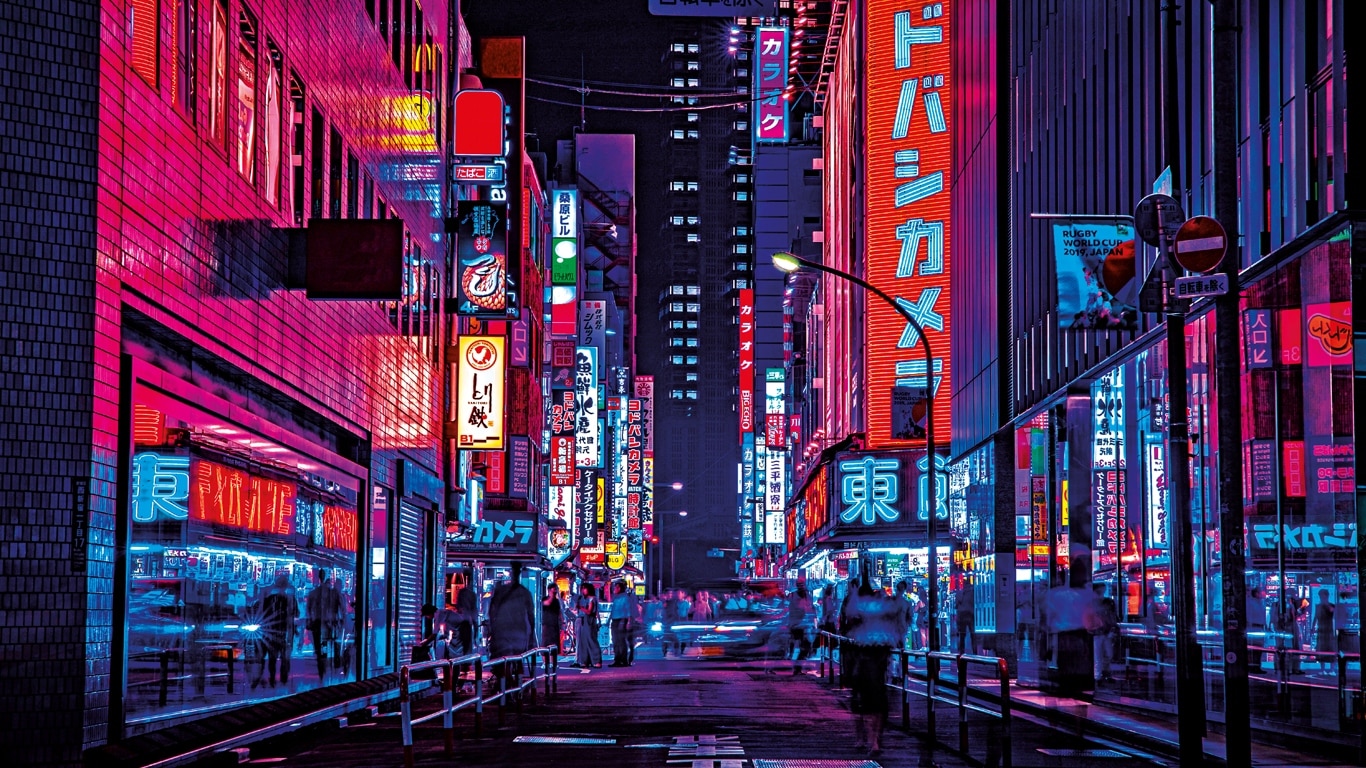
Shinjuku and Shibuya, with their glowing neon and towering billboards, feel like Tokyo’s answer to New York’s Times Square—home to sleek cocktail bars, luxury stores and high-octane clubs.
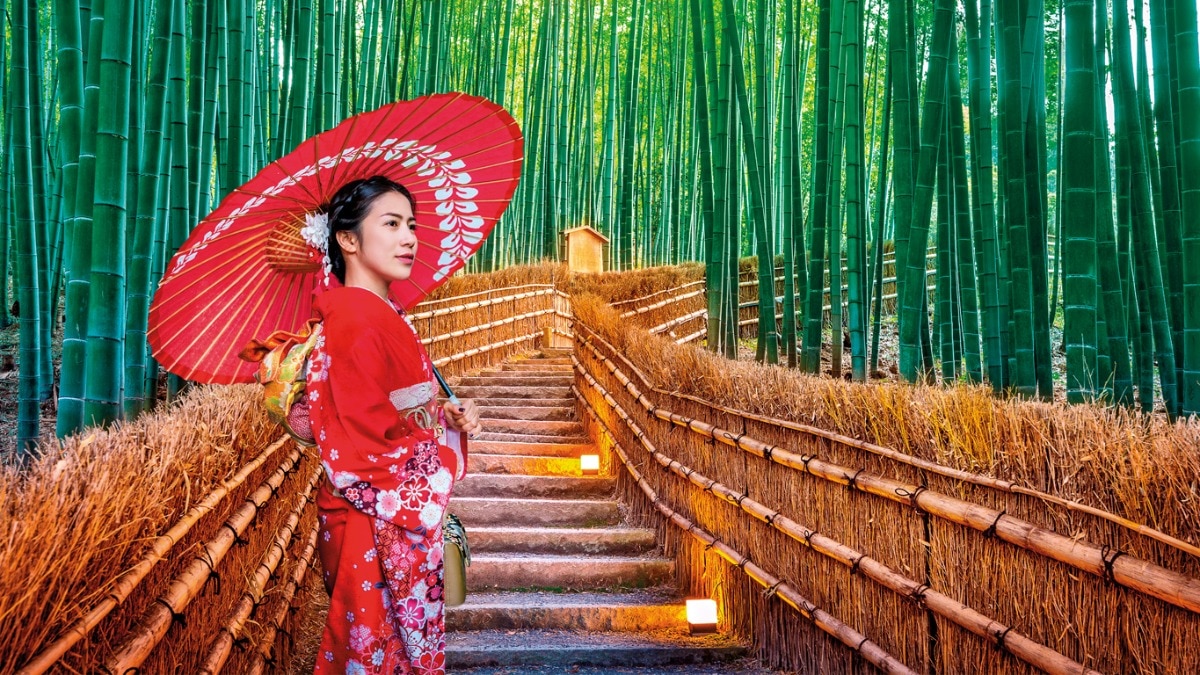
While Tokyo is the capital of the country and it’s buzzing streets can compete with any big city in the West, Kyoto is often regarded as Japan’s cultural capital. It is a city where tradition thrives amidst modernity. Once the imperial capital, it is home to over a thousand temples and shrines, including the iconic Fushimi Inari Taisha with its endless trail of vermilion torii gates. Classical arts, tea ceremonies, and geisha culture still thrive here, especially in the cobbled streets of Gion. Visit the nearby Arashiyama Bamboo Grove for a surreal, serene experience as sunlight filters through towering bamboo stalks. After the high-octane buzz of Tokyo, Kyoto feels like a living museum of Japan’s spiritual and artistic soul. Whether it’s a geisha performance at the Gion Kagai Art Museum or a craft cocktail at a hidden speakeasy, Kyoto after dark is a whole new vibe.
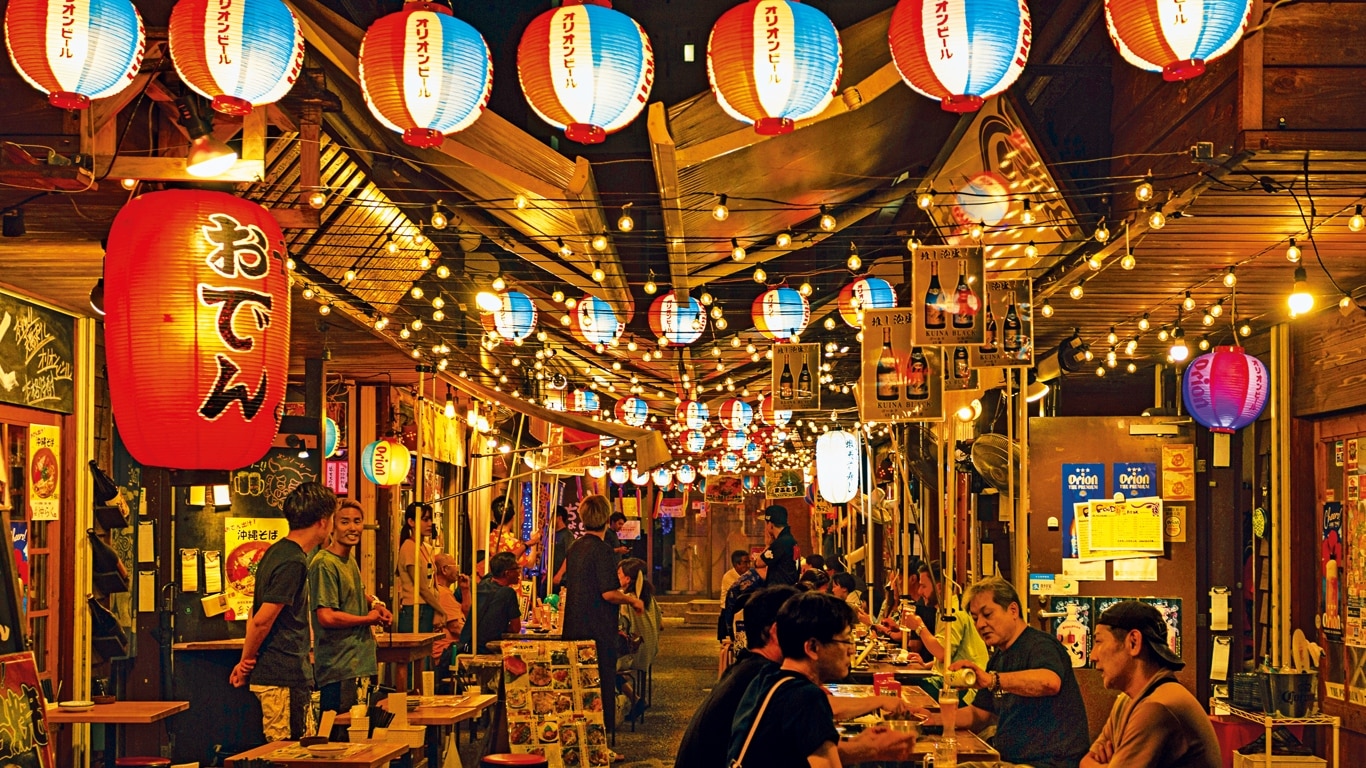
End your trip in Osaka, known as the “Kitchen of Japan,” this city lives to eat. Dotonbori, with its neon lights and sizzling stalls, is the beating heart of Osaka after dark. Jostle for space with locals and tourists alike for a taste of takoyaki—fried octopus balls—the soul of Osakan street food.
For a uniquely Japanese experience, spend a night in a traditional ryokan (a Japanese inn where décor is minimal with futon beds and tatami mats) and unwind in an onsen. These centuries old natural hot springs, rich in minerals, are believed to heal both body and soul. Nagato in Yamaguchi prefecture is home to five hot spring areas and dozens of ryokans, offering the full retreat.
Whether you are visiting Japan’s temples and shrines, enjoying its natural beauty, eating its mouth-watering food, or sipping on sake, Japan leaves you with one thought: this won’t be your last visit. Because one trip is never enough.
@smitabw


