












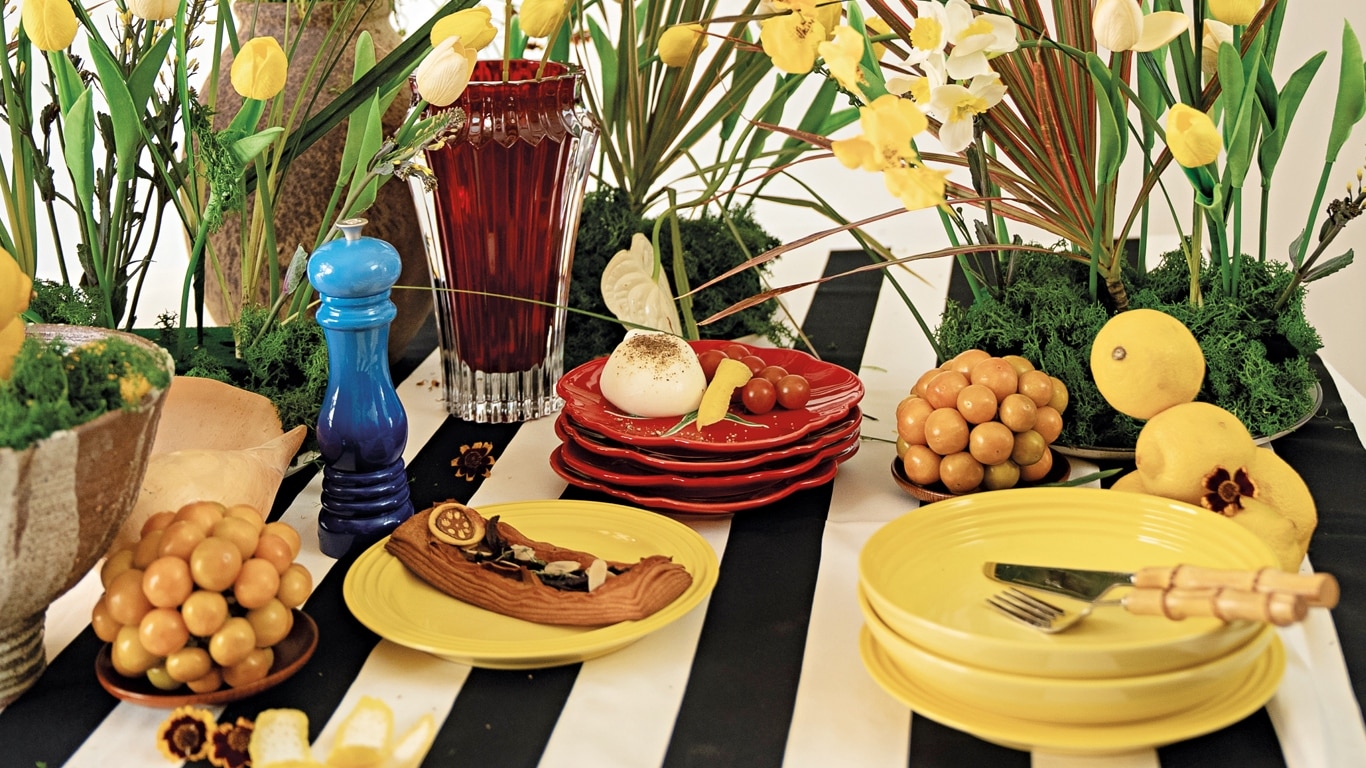

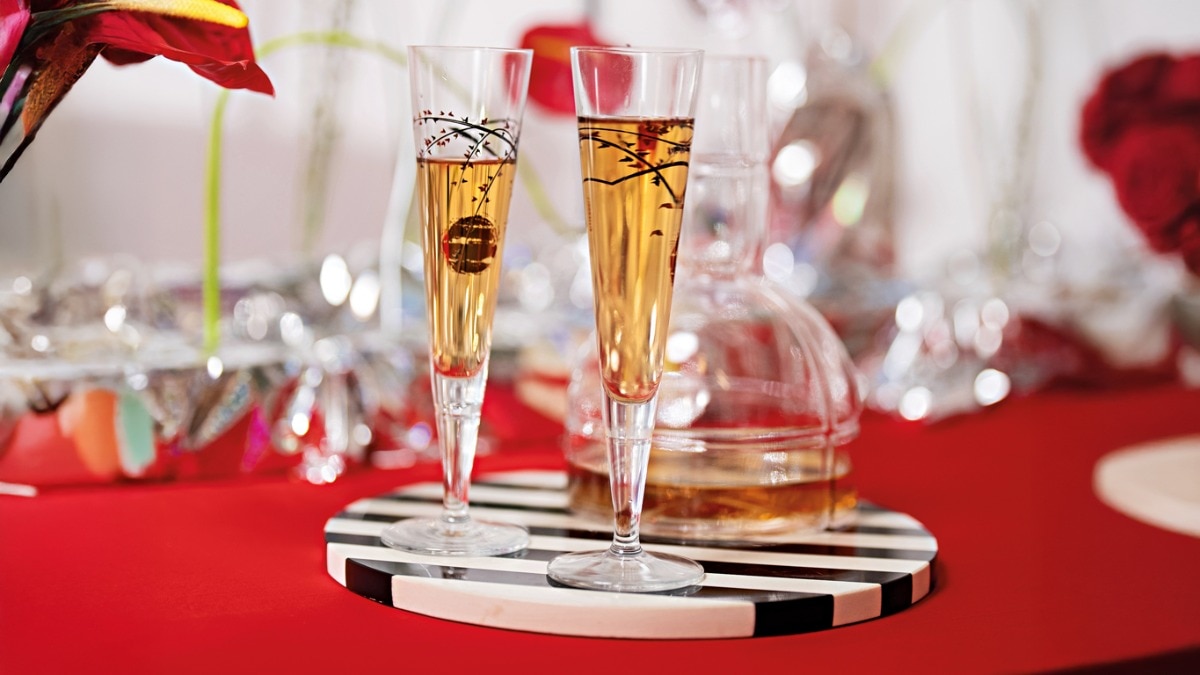
In homes across India, dinner has become theatre. Plates gleam under soft candlelight, crystal glasses catch the shimmer of brass votives, and napkins are folded like origami. The food matters, yes—but it is no longer the star. The table is.
What began as a niche hobby among global design influencers has turned into a full-fledged aesthetic movement in the country: tablescaping. The term, coined by American television chef Sandra Lee in 2003—a blend of “table” and “landscaping”—refers to the art of styling a table to tell a story. It’s a visual symphony of crockery, linen, florals, and décor that aims to evoke a mood, not just serve a meal.
“Tablescaping is all about storytelling,” says food and beverage curator Eeshaan Kashyap, whose label Tablescape by Eeshaan has quietly redefined the genre in India. “It blows my mind how it’s now a category of its own—people are gifting, entertaining, buying just for their tables. They want small plates, sculptural candlestands, cutlery that feels like jewellery.”
Kashyap registered his brand in 2018, when the term “tablescape” barely existed in India. Now, he designs for corporate events, destination weddings and home dinners. He is currently working on a multiple-city wedding—Bangkok, Cairo, Marrakesh— where each city inspires a different mood board of table décor and plating. “Clients now bring on board the chef, the florist, the production person and the tablescaping artist and ask us all to create magic together.”
The scale is staggering. For a client’s 50th birthday, Kashyap created a setting inspired by 80 countries, one for each destination the host had visited. Interestingly, his biggest buyers aren’t just from Delhi or Mumbai, but from Kanpur, Coimbatore, and Punjab, where home entertaining has become a badge of taste.
Beyond Grazing Tables
If the early 2010s were about grazing tables—overflowing displays of food and flowers—today’s hosts are telling quieter, more curated stories. “No one wants a ten-course meal anymore,” Kashyap says. “They want small plates, wine buckets, bar trolleys, and conversation.”
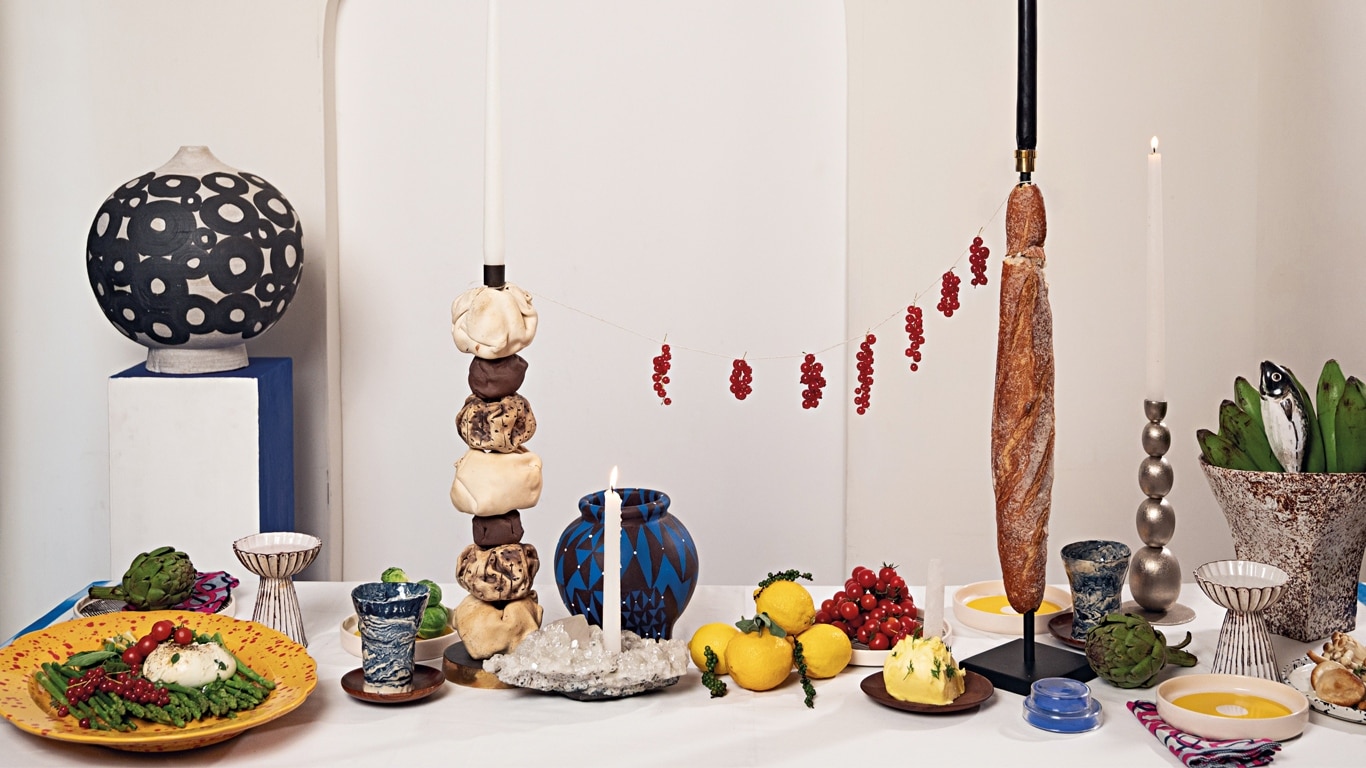
At his in-house production facility he works with eighteen different materials, from metal to marble, crafting everything from plates to serving tools. “There’s an entire theme around a table now,” he says. “It’s not about a plate—it’s about the experience.”
The Market for the Modern Table
India’s tableware market, valued at $5.29 billion in 2024, is projected to nearly double by 2032, according to a survey. The shift is part of a broader post-pandemic turn inward. During the pandemic, as hospitality shut down, consumers sought to recreate the “five-star” feeling at home, giving rise to the segment. And now even though hospitality is back, the charm of hosting at home is not lost.
Of course, for fashion brands, home décor is an extension of their brand, a relatively cheaper entry point into the brands universe. Globally, brands such as Gucci Décor, Fendi Casa, Dior Maison, and Armani/Casa have all extended their aesthetic to interiors.
It’s about living with the brand, not just wearing it. Homegrown labels have also taken a leaf out of their international counterparts. Satya Paul Home and Ritu Kumar Home, that launched in 2019 reinterpret Indian textiles and motifs in cushions, wallpapers, and tableware.
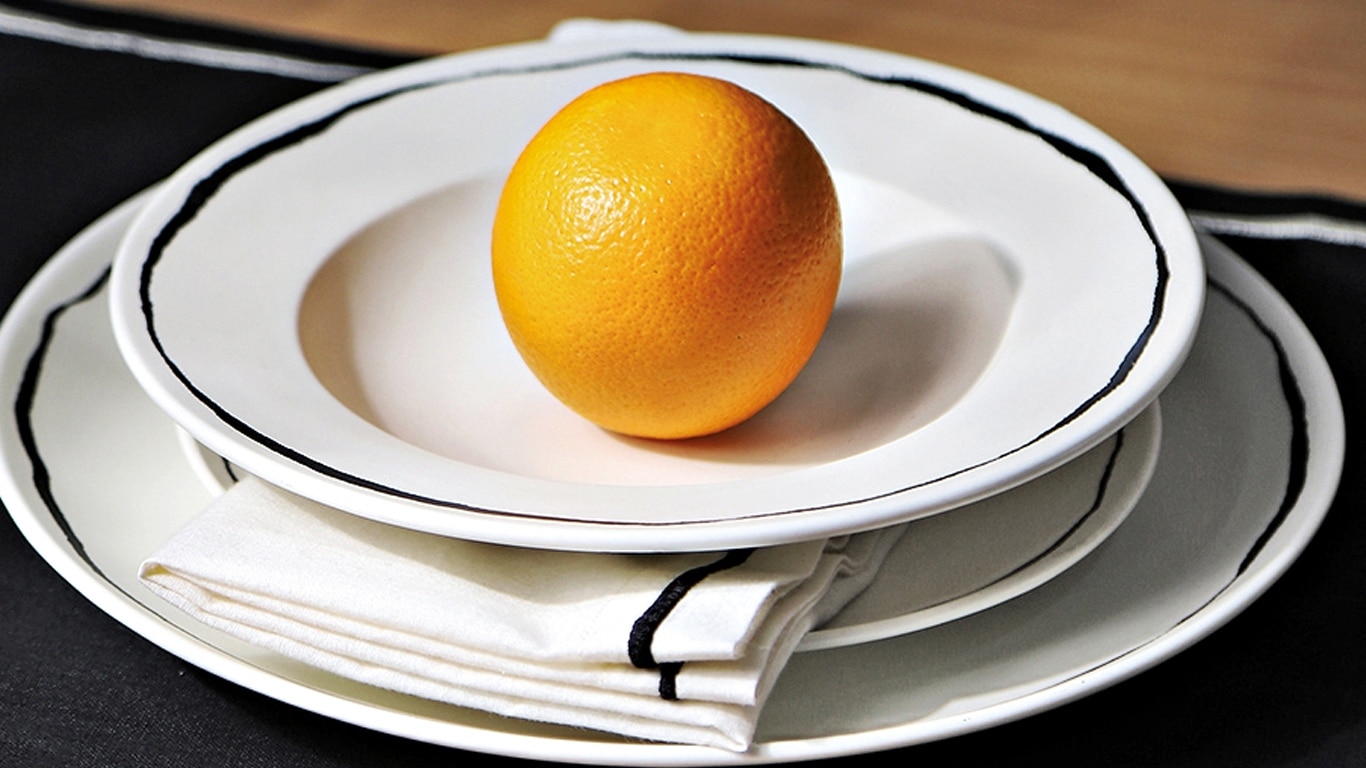
Designers Abraham & Thakore view tablescaping as “an art form that elevates everyday rituals.” Their Brushstroke Collection, inspired by Japanese calligraphy, pairs minimal plates with hand-drawn black, gold and red motifs. “The table has become a space for expression,” says Co-founder David Abraham. “An elegant tablescape isn’t just functional—it’s part of creating memories.”
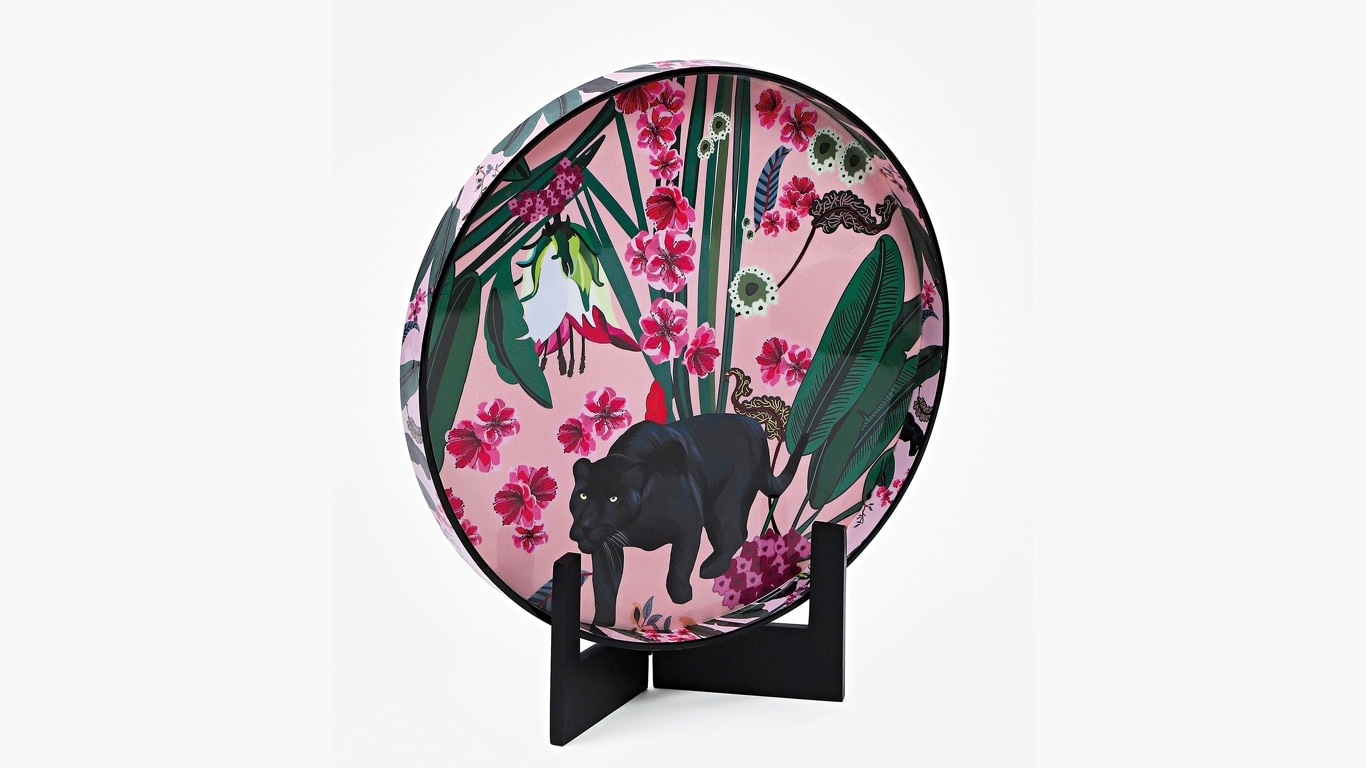
Meanwhile, Shivan & Narresh, known for their bold resortwear, recently opened their first standalone SHIVAN & NARRESH Homes Store at New Delhi’s luxury mall The Chanakya. “For us, tableware is a seamless extension of lifestyle,” says Naresh Kukreja, founder and creative director. “Our clients see tablescaping as self-expression. Just as they curate wardrobes, they curate dining experiences.”
Their tableware line mirrors the brand’s signature prints—vivid, sculptural, and unapologetically Indian. The segment, Kukreja says, is “doubling each year” and could become a core growth pillar in the next five years.
And then there’s Sabyasachi Mukherjee, whose Bengale Tigris collection for Nilaya by Asian Paints launched this year in Mumbai.
Hand-painted plates and gilded tigers bring his maximalist sensibility to the dining table.
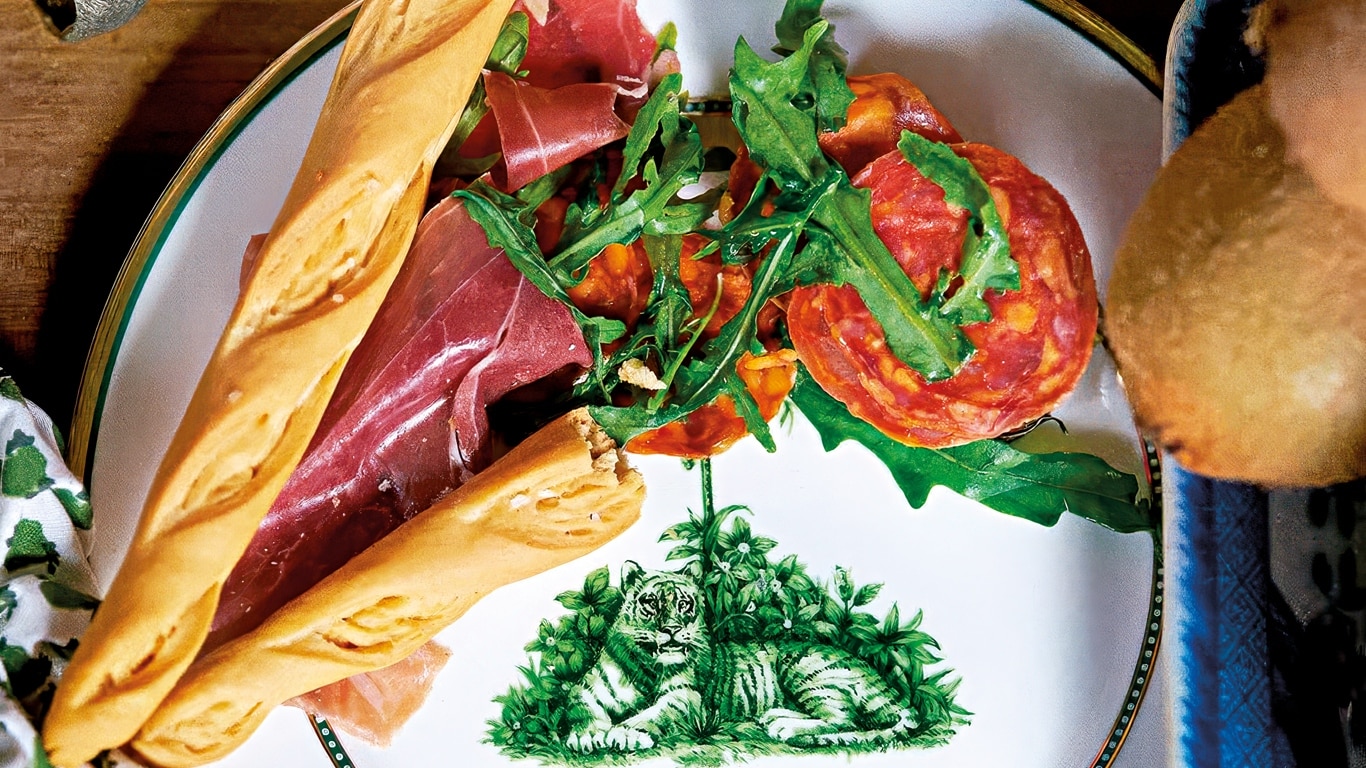
The collection, which is available exclusively at Nilaya Anthology in Mumbai, is in collaboration with The Sabyasachi Art Foundation.
Other homegrown labels like Ellementry, Good Earth, and Nicobar are reviving artisanal traditions—hand-painted ceramics, woven table linens, and retro accessories like cloches and Lazy Susans.
The New Aesthetic Economy
Event planners and designers are also embracing the table. Maitri Shah, founder of Mai Stories, launched her company six years ago after studying in New York. She returned to Mumbai with a vision: to make the table the storyteller.
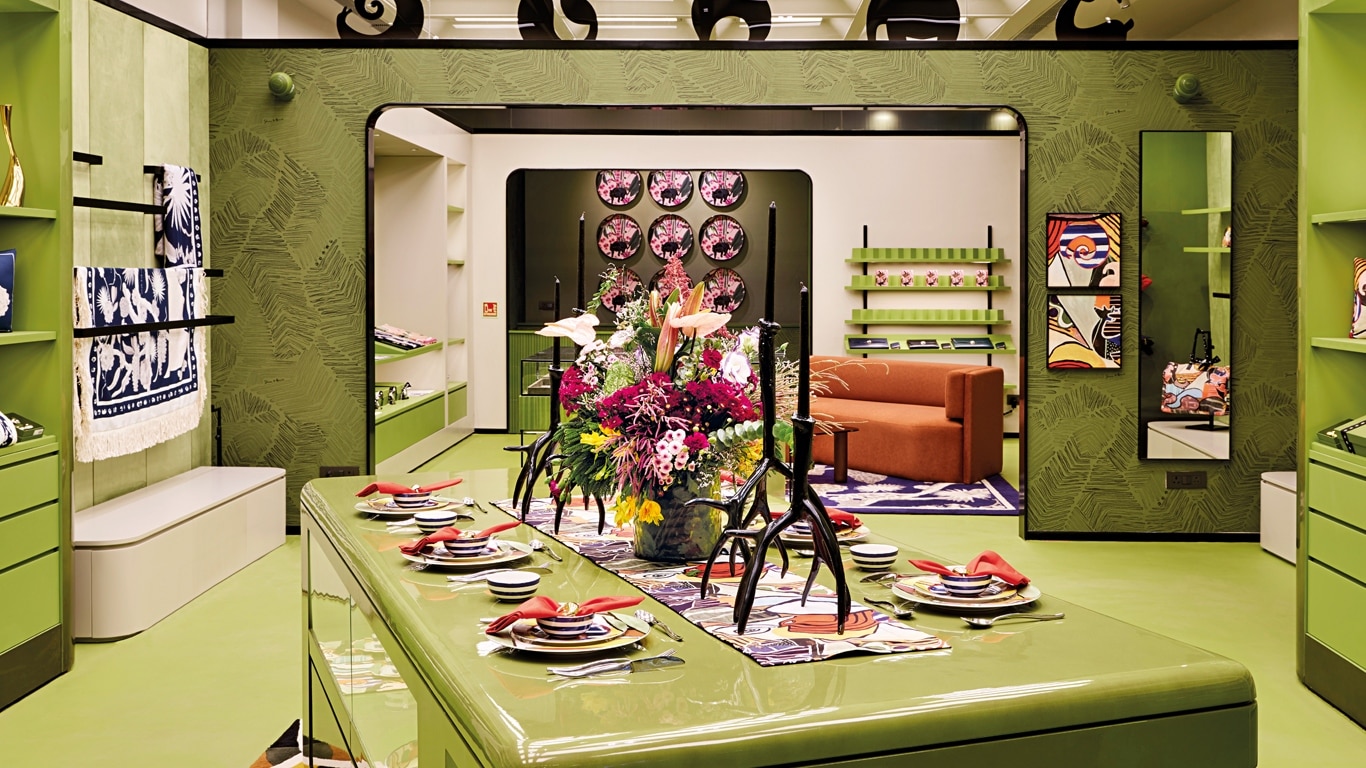
“At that time, no one thought of the tabletop as a particularly important element of the event,” says Shah. “But now it has become one of the most powerful expressions of a brand.”
Her team now stages corporate and private events nationwide, doubling their annual count from 60 to 120 in just a few years. “We turn down work constantly,” she admits. “The demand is overwhelming.”
For India’s elite, tablescaping has become a language of self-presentation—a way to display taste, affluence, and awareness. A dinner party is no longer a meal; it’s a mood board. The table tells guests who you are.
What was once a quiet art of arrangement has become a booming industry—one that merges tradition with aspiration, commerce with craft. Whether it’s a wedding in Udaipur or a dinner for two in Coimbatore, the Indian table has never spoken louder.
@smitabw


