


 Elections 2024: Kotak said an outcome where BJP wins over 325 seats and NDA in excess of 375 seats in 2024 elections would be viewed quite favorably by the marke
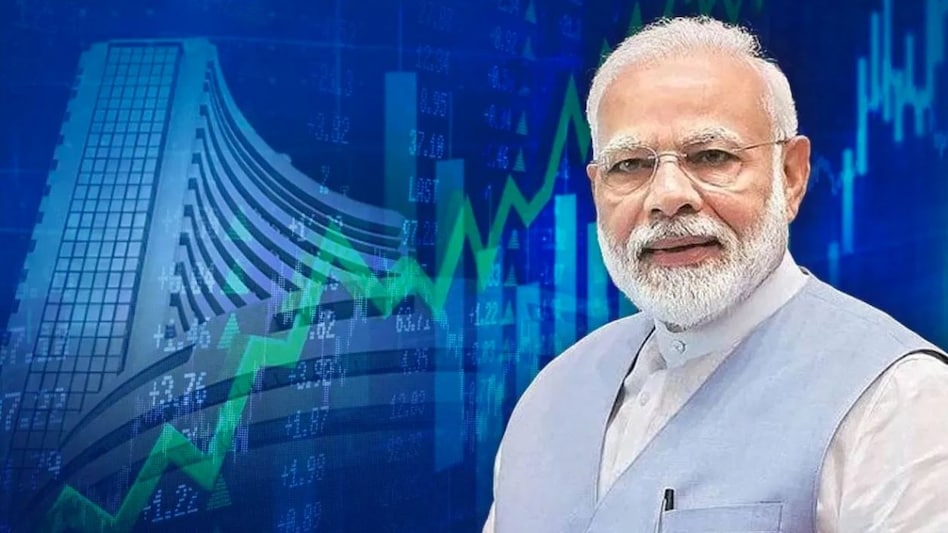
The combined market capitalisation of BSE listed companies has surged nearly five times since the Prime Minister Narendra Modi-led BJP secured a clear majority in 2014 Lok Sabha elections. Many listed stocks surged over time while a flurry of IPO listings -- 2,076 including FY15 figures, excluding FY25's -- in the past decade, also added to size of the listed universe. This included big issues such as that of Life Insurance Corporation of India, One 97 Communications, GIC Re and SBI Card.
PM Modi assumed office on May 26, 2014 and got re-elected in 2019. He is running for the third term this time, with the election outcome scheduled for June 4. At intraday levels today, BSE commanded a market capitalisation of Rs 4,10,37,431 crore. This was up 4.81 times over Rs 85,20,817 crore m-cap the stock exchange commanded on May 26, 2014, the day PM Modi assumed office for the first time.

 Jio Platforms IPO: GMP hits new high; what could drive next phase of growth for telecom major
 Brent oil futures hit $110 a barrel! These stocks to watch next week
 ‘Much Appreciated’: Elon Musk responds to Reliance’s statement on Starlink’s India entry
 Trump pauses Russia-linked tariffs threatening India and China: What it means for India
 Rupee gains 1.9% in a week, closes at 94.71: Is RBI’s currency defence finally working?
 Redmi Note 17 Pro Max Review , Vivo V80, Vivo Vision | Tech Gear EP 20 | Business Today
 Mahindra XUV 3XO ZNG Review: Turbo Power Meets CNG Mileage
 Gold, Silver Prices: Limited Upside Ahead Of Diwali? Expert Sees Gold At ₹1.5 Lakh, Silver At ₹2.3
 Expert Names REITs And INVITs To Watch For Quarterly Payouts And Potential Investment Returns
 Jio IPO: Mukesh Ambani's Big ₹30,213 Crore Bet, Reliance Employees Asked To Invest?
 Brent oil futures hit $110 a barrel! These stocks to watch next week
 LTM shares down 28% in 2026: Buy amid pivot towards short-term AI deals? Target prices
 Punjab National Bank: Buy, hold or sell post Q2 results? MOFSL shares target
 Brent hits $110 as Hormuz ship attacks, Houthi strikes on Saudi trigger oil rally
 CCL Products shares fall 9% on Q2 results; brokerages see up to 30% upsideRedmi Note 17 Pro Max Review , Vivo V80, Vivo Vision | Tech Gear EP 20 | Business Today‘Much Appreciated’: Elon Musk responds to Reliance’s statement on Starlink’s India entryBrent oil futures hit $110 a barrel! These stocks to watch next week
 Election Commission transfers around 20 CEOs in 20 months amid SIR, changes seen in Nirwachan Sadan, Delhi EC: ReportMahindra XUV 3XO ZNG Review: Turbo Power Meets CNG Mileage












