









 The move strengthens investor protection by minimising the risks associated with physical paperwork — such as loss, pilferage, or misuse of LOCs — thereby increasing trust in the demat ecosystem.

 The move strengthens investor protection by minimising the risks associated with physical paperwork — such as loss, pilferage, or misuse of LOCs — thereby increasing trust in the demat ecosystem.
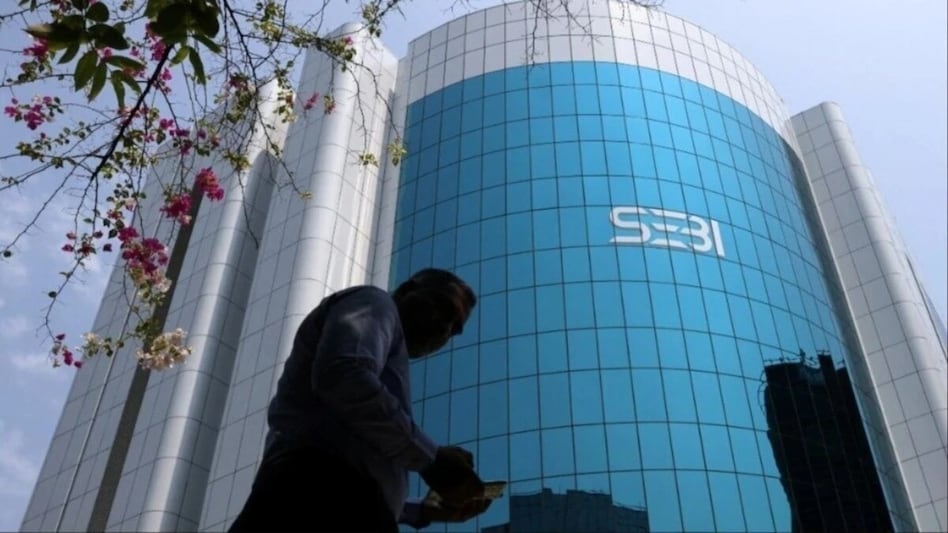
In a major step towards enhancing investor convenience and improving operational efficiency, the Securities and Exchange Board of India (SEBI) has issued a new circular eliminating the need for issuance of a Letter of Confirmation (LOC) for various investor service requests. The move is part of SEBI’s broader initiative aimed at easing the process of doing investment and business in the Indian securities market.
Key changes announced
Under the current system, listed companies and their Registrars to an Issue and Share Transfer Agents (RTAs) issue an LOC for investor service requests — such as:
This LOC is then submitted by investors to their Depository Participant (DP) to facilitate credit of securities to their demat accounts — a process that can take up to 150 days.
To simplify and accelerate this workflow, SEBI has now decided to do away with the LOC requirement entirely.
New framework and benefits
Under the revised framework:
Implementation timeline
Objective and Broader Implications
SEBI has introduced this circular as part of its continued efforts to make investing in the securities market more seamless and investor-friendly. By removing the requirement for a Letter of Confirmation (LOC) and facilitating the direct credit of securities into demat accounts, SEBI aims to simplify procedures that have traditionally been cumbersome and time-consuming.
This reform is expected to significantly enhance the ease of doing investment in India by reducing delays and eliminating unnecessary steps in the dematerialisation process. Furthermore, it contributes to greater operational efficiency for both listed companies and RTAs, reducing administrative burdens and chances of errors or losses.
Most importantly, the move strengthens investor protection by minimising the risks associated with physical paperwork — such as loss, pilferage, or misuse of LOCs — thereby increasing trust in the demat ecosystem. Overall, the initiative aligns with SEBI’s broader agenda of modernizing market infrastructure and improving the investor experience.
 Delhi EV policy: Removal of incentives on strong hybrids ‘surprising’, says Maruti Suzuki
 At 5.1 lakh jobs, India's Global Capability Centre hiring boom scales new peak
 WhatsApp's Username feature under govt scanner over online fraud concerns: Sources
 India's higher gold import duty could cut demand by up to 60 tonnes in 2026: WGC
 Jio Platforms IPO: How Ambani's secret Jupiter paved the way for India's biggest listing
 Market Commentary LIVE: Piyush Pandey On Nifty, Sensex & Top Stock Picks
 TN Politics Explodes: 3 Arrested For Alleged ₹35 Cr Plot To Topple Vijay’s TVK Govt!
 Market Master LIVE: Ravi Dharamshi On India's Next Big Investment Opportunities
 Ram Mandir Theft Exclusive: The 'Ram Rajya Kosh' Mystery Box & The Inside Nexus Exposed!
 Telangana Political War: CM Revanth Reddy Mocks Nitin Nabin, Dismisses BJP’s State Ambitions!
 Sensex, Nifty rebound: What's fueling the recovery and what investors should watch next
 Paisalo Digital shares zoom 20%, hit 52-week high; here's why
  Infosys, TCS, Wipro, HCLTech shares hit 52-week lows as Nifty IT slides over 2%
 Dual shock for KPIT Technologies stock; analysts see more weakness, share price targets
 Vedanta Oil & Gas, Power, Iron shares zoom up to 20%; should investors chase the rally?