









 Silver outlook: Gola Ponmudi R, CEO at Enrich Money said the Rs 2,20,000–2,35,000 zone remains a strong structural base for silver futures.d Silver

 Silver outlook: Gola Ponmudi R, CEO at Enrich Money said the Rs 2,20,000–2,35,000 zone remains a strong structural base for silver futures.d Silver
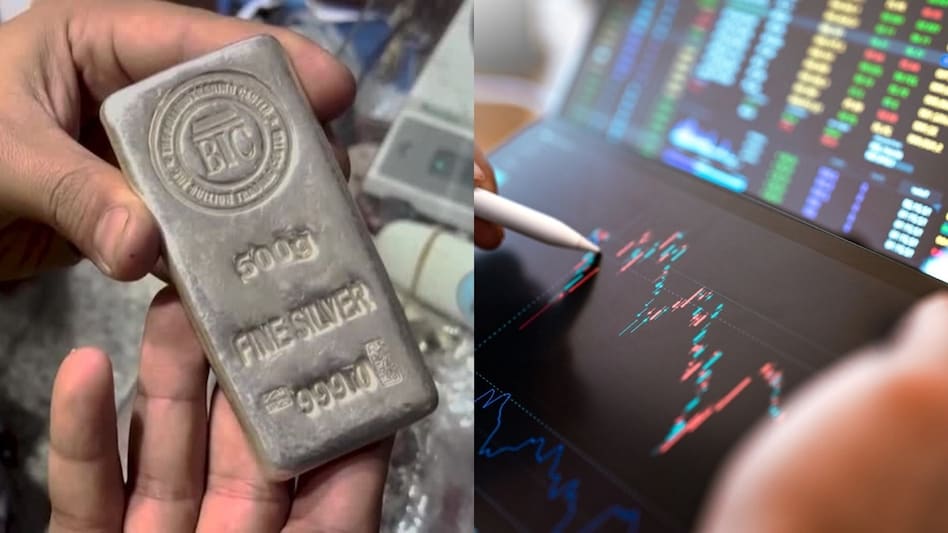
Silver price today: MCX silver futures for March delivery plunged 8 per cent or about Rs 24,000 per kg in Thursday’s trade, falling below the Rs 2.50-lakh mark. The precious metal hit a low of Rs 2,44,654 per kg in early trade. It was later trading down Rs 21,898, or 8.16 per cent, at Rs 2,46,952, tracking a fall in global silver prices.
Besides, after a periodic review of the adequacy of risk management measures and to mitigate systemic risk, MCX has decided to levy an additional margin of 4.5 per cent on silver futures contracts and 1 per cent on gold futures contracts with effect from Thursday. It also decided to levy a further additional margin of 2.5 per cent on silver futures contracts and 2 per cent on gold futures contracts with effect from Friday, February 6 (beginning of day), over and above the margin levied on Thursday.
Silver’s recent sharp rally was driven by structural supply constraints amid rising industrial demand from solar, electric vehicles and technology, though its higher volatility warranted a more measured approach in 2026, Motilal Oswal Private Wealth said. In its portfolio strategy, the wealth management company advised retaining exposure to silver, while recommending partial profit-booking for portfolios with large allocations and staggered accumulation on corrections for investors with no to low exposure.
ALSO READ: Gold, silver savings are unproductive: Mukesh Ambani's Jio BlackRock pitch to Indian savers
Ponmudi R, CEO at Enrich Money said the Rs 2,20,000-2,35,000 zone remains a strong structural base for silver futures. Immediate resistance is seen at Rs 2,90,000-Rs3,00,000, with potential extension toward Rs3,25,000 if momentum sustains. "Dips continue to offer accumulation opportunities for positional participants," he said.
UBS in a note earlier this week said the nomination of Kevin Wash as the new US Federal Reserve chair
to replace Powell has eased the tail risk concerns that had previously supported the silver market. In recent quarters, gold—and by extension, the entire precious metals sector— has served as a preferred
asset for investors worried about Fed independence.
"We generally expect the FOMC’s consensus-driven approach to remain intact. However, we also anticipate that pressure from President Trump on the Fed to cut rates will persist, and it remains to be seen how this dynamic will evolve after Powell’s departure. Additionally, the US continues to run substantial twin deficits. As a result, concerns about debt sustainability in major economies and the strategies to address them are unlikely to dissipate," it said.
 HDFC Bank shares in focus as Rajiv Kumar named part-time Chairman
 ‘People ask why it’s taking so long’: Only 1% negotiations left for India-US trade deal, says Sergio Gor
 'We will cut off those hands': Pakistan minister threatens India over Indus water row
 Using Indane, Bharat Gas or HP Gas? These rules could affect your bill & connection from July 1
 Top stocks in news: HDFC Bank, RITES, YES Bank, Concor, Axis Bank, SW Solar, Afcons Infra
 Why Jio BlackRock AMC Is Launching Hybrid Long-Short As It's First SIF
 Delhi Unveils ₹15,000 Crore EV Policy: What It Means For Auto Companies And Consumers
 Gold, Silver Or Crude? Where Should Investors Bet Now? | Vandana Bharti
 How India Strategically Managed LPG & Crude Oil Supplies During West Asia War | K. Surana Explains
 Delhi’s Green Revolution: CM Rekha Gupta Unveils Massive ₹15,000 Crore EV Policy To Combat Pollution
 Nifty monthly expiry today: Kotak Securities suggests this options strategy; check details
 Nifty, Sensex, Nifty Bank outlook for today: GIFT Nifty up 15 points; key levels to watchHDFC Bank shares in focus as Rajiv Kumar named part-time Chairman
 Adani Ports, JSW Infra, Blue Dart, TCI Express shares: Buy, hold or sell? Target prices
 YES Bank, ICICI Bank, Kotak Bank: Top banking stocks to buy — Targets, stop loss & more