


 After the 2008 shock, inflation in India surged above 9 per cent. Fiscal deficit widened while equity markets corrected sharply.
Axis Securities on Monday said crude oil cycles often create sector rotation opportunities, making portfolio positioning critical. It cited past oil shocks, including the global financial crisis (GFC) that sent crude to a record $147 level in 2008, the 2013 Brent move past $100, and the Russia-Ukraine energy shock of 2022, when crude touched $120, to suggest markets often see sector rotation rather than a broad collapse.
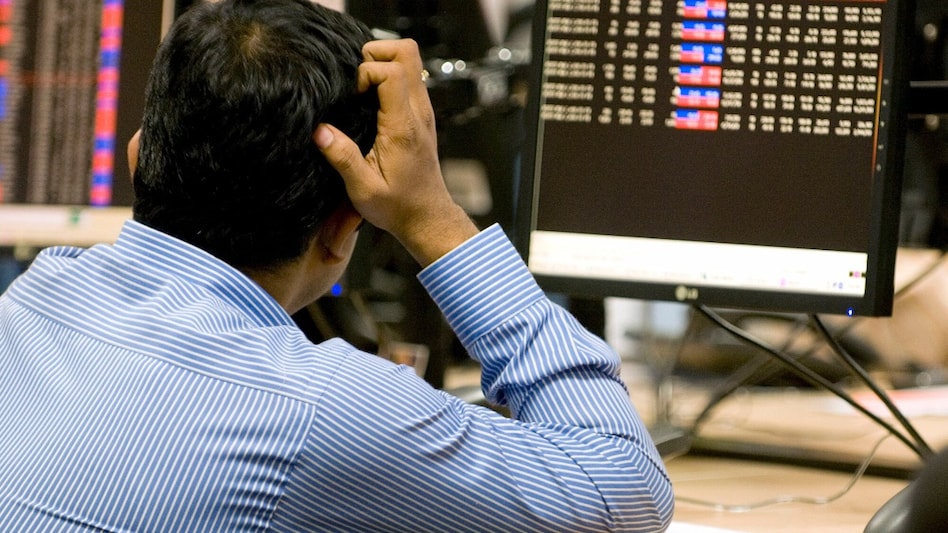
Crude oil prices soared a solid 28.8 per cent to hit a high of $119.46 per barrel today, sending shivers down stock investors' spine. The fall came as Kuwait and Iraq started reducing oil output amid fears of prolonged disruption to shipping via the Strait of Hormuz. The NSE benchmark Nifty was down 2.4 per cent to trade below 23,900 level. The BSE barometer Sensex fell about 1,800 points and was quoting at 77,141.75.

 SDTT had submitted response to charity commissioner over Venu Srinivasan, Vijay Singh’s complaints: Report
 YES Bank shares down 27% in 30 days; target prices; one key trigger to watch
 Jio Platforms raises Rs 8,110 crore from over 200 anchor investors; draws Rs 2.5 lakh cr demand
 India-UK trade pact: Pernod, Diageo Scotch imports under tax scanner, says report
 Defence stocks to buy: Aditya Birla Money picks HAL, BEL as top picks; check fresh targets
 RBI Measures Boost Rupee | Is Further Depreciation Unlikely?
 More RBI Rate Hikes Ahead? PPFAS Mutual Fund CIO Shares His Outlook
 Retirement Planning: How a ₹10,000 Monthly SIP Can Grow to ₹1 Crore in 20 Years
 Volkswagen On CNG Cars, JSW Partnership And India's Auto Market Outlook
 5 Mutual Fund SIP Mistakes That Can Hurt Your Long-Term Wealth
 HFCL shares: Why this multibagger stock gets 53% upside target despite 290% jump in 2026Defence stocks to buy: Aditya Birla Money picks HAL, BEL as top picks; check fresh targetsYES Bank shares down 27% in 30 days; target prices; one key trigger to watchJio Platforms raises Rs 8,110 crore from over 200 anchor investors; draws Rs 2.5 lakh cr demand
 Jio IPO puts digital growth, ambitions and home broadband success in focusHFCL shares: Why this multibagger stock gets 53% upside target despite 290% jump in 2026RBI Measures Boost Rupee | Is Further Depreciation Unlikely?SDTT had submitted response to charity commissioner over Venu Srinivasan, Vijay Singh’s complaints: ReportDefence stocks to buy: Aditya Birla Money picks HAL, BEL as top picks; check fresh targets
 Jailer 2 Day 5 collection: Rajinikanth film races towards ₹500 crore worldwide, enters US weekend top 10












