


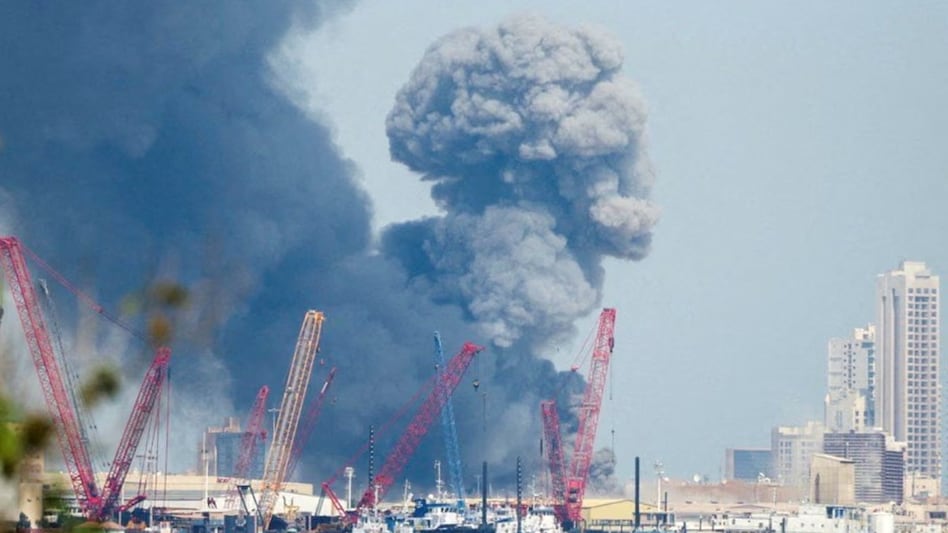
 After Qatar’s LNG disruption, Bahrain oil firm declares force majeure
After QatarEnergy suspended contractual obligations last week following attacks on its liquefied natural gas facilities, Bahrain's state oil company has now taken the same step after an Iranian attack set its refinery ablaze, The Associated Press reported on Monday.

 Gold at $5,000 by mid-2027? The forces behind the longer-term outlook
 Uday Kotak seeks panel on rising gold imports as FY27 bill threatens to touch $90 billion: Report
 IndiGo CEO eyes fleet revamp in aggressive push to transform Delhi into global mega-hub: Report
 Tata Sons boardroom crisis: What is behind the latest Tata Trusts vs management standoff?
 Anthropic says Claude now leads 26% of its AI R&D work: How fast is AI development accelerating?
 Gold vs Silver Investment Strategy: Is This The Right Time To Buy For Long-Term Returns?
 Corporate Vs Personal Health Insurance: Which Is Better On A Budget?
 Gold Price Outlook: Why Gold Could Rise Despite Global Interest Rate Hikes | Silver Market Update
 Health Insurance: Why Claim Settlement Ratio Is Not Enough When Choosing The Right Insurer
 “Unacceptable And Unprofessional”: MEA Rejects Pakistan’s Claims Over INS Kolkata Collision
 Jindal Supreme, SS Retail, Hero Motors IPOs subscribed up to 181 times on final day; details here
 Sensex, Nifty post sixth weekly loss; TCS, Titan among top laggards, slip up to 4%
 How AI collapse could benefit Indian equity market; Jefferies' Christopher Wood explains
  Banks are no more secular growth story, prefer NBFCs: Chris Wood
 Jefferies' Christopher Wood sees gold at $10,000 'sooner or later'; likes India's small, midcaps
 Delhi airport gets its third runway operational; optimise aircraft movement
 'New phone, same old bills...': Sonu Sood reacts to iPhone 18 launch hype, calls for 'society upgrade'
 NPS Vatsalya completes two years: 4.9 lakh accounts opened, AUM reaches ₹403 crore
 Maruti Suzuki expects CNG vehicles to account for 50% of its sales
 Tirupati Laddu row: Ghee made using palm oil, chemicals, says ED; company owner arrested












