









 This leak reportedly enabled specific individuals, including friends and family members of the executives, to trade Yes Bank stock and make unlawful gains before the deal was publicly announced.

 This leak reportedly enabled specific individuals, including friends and family members of the executives, to trade Yes Bank stock and make unlawful gains before the deal was publicly announced.
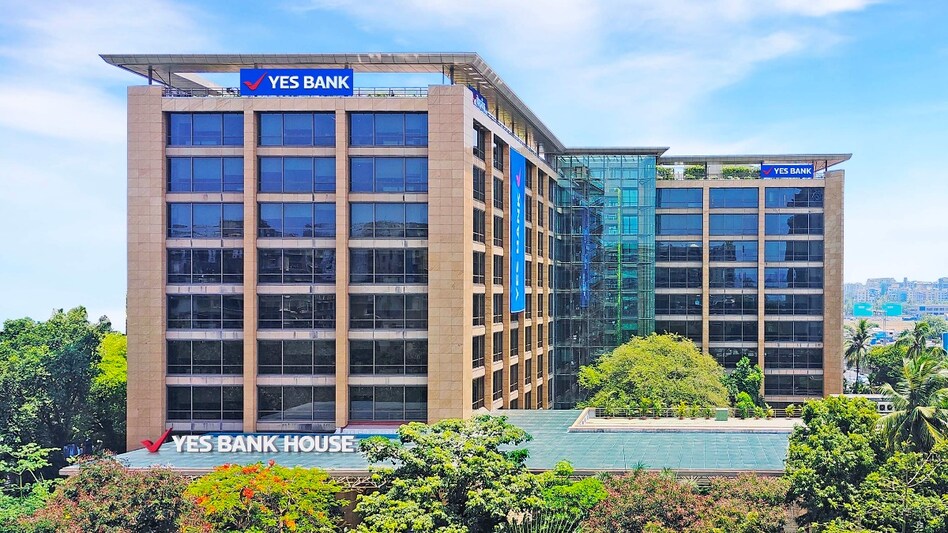
Shares of YES Bank saw selling pressure on Friday amid reports of regulatory scrutiny involving its 2022 capital raise. The stock dropped 2.77% to Rs 21.04 apiece on the BSE, down from its previous close of Rs 21.64. The stock ended 3.23% lower at Rs 20.94.
A Reuters report said that the Securities and Exchange Board of India (SEBI) has issued a show-cause notice to several executives. The market regulator has reportedly accused current and former officials at the Indian units of consultancy giants EY and PwC, as well as Carlyle Group and Advent International, of violating insider trading norms.
The scrutiny traces back to July 2022, when Carlyle and Advent invested $1.1 billion to pick up a combined 10% stake in the private lender. According to the regulatory notice reviewed by Reuters, executives at these firms allegedly shared unpublished price sensitive information (UPSI) regarding the impending deal.
This leak reportedly enabled specific individuals, including friends and family members of the executives, to trade YES Bank stock and make unlawful gains before the deal was publicly announced.
The probe names a total of 19 individuals. While seven are accused of actively trading on privileged tips, four allegedly acted as the sources of that sensitive information. A former YES Bank board member has also been accused of leaking details.
SEBI reportedly found that both EY and PwC failed to maintain a ‘restricted list’, a standard compliance tool that prevents staff from trading in the shares of clients they are advising, the report said.
Reuters reported that SEBI has specifically asked EY India Chairman Rajiv Memani to explain why penalties should not be imposed, arguing that the firm's internal policies failed to restrict trading in companies where it provided non-audit advisory services.
The notice, issued in November, is a preliminary step seeking an explanation. The accused parties are currently drafting their responses. If the charges are proven, they could face monetary penalties or trading bans under Indian securities laws.
 NSE issues investor advisory against 'dabba', illegal trading services: What it means
 'We gave them a week off': Trump takes swipe at Iran during July 4 speech
 Online food delivery isn't slowing down: Why Indians are ordering more than ever
 He topped UPSC, joined IAS, then left for Gita Gopinath's dream: Iqbal Dhaliwal tells the full story...
 Capgemini daycare case: NHRC seeks Karnataka report on alleged toddler abuse at crèche
 Can A Kill Switch Exist In Electric Vehicles? Here’s What EV Owners Should Know
 Persistent Systems CEO Sandeep Kalra Says Nagarro Acquisition Will Drive Long-Term Growth
 Tech Gear Show | Latest Tech News, Moto Razr Fold Review, Sony INZONE H6 Air, OnePlus Nord Buds 4 | EP 9
 I.T. Sector Recovery Ahead? Feroze Azeez On AI, Acquisitions & The Next Growth Phase
 Driving India's First E85 Flex Fuel WagonR: Real-World Experience & Mileage Review
 NSE issues investor advisory against 'dabba', illegal trading services: What it means
 Sensex, Nifty extend winning streak to 3rd day; investor wealth jumps over Rs 6.1 lakh crore
 L&T, Ashok Leyland and MCX: How to trade these 3 buzzing stocks?
 HCLTechnologies shares extend gains, climb nearly 8%: Two factors behind today's rise
 TCS, Infosys, KPIT Tech, Mphasis, HCL Tech, Wipro: Kotak cuts IT estimates; check targets