


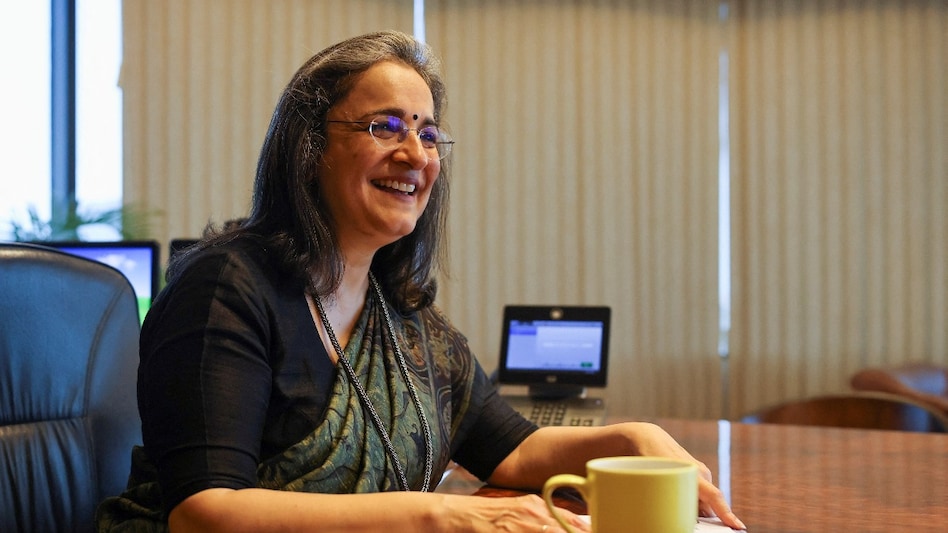
 Buch stressed the MF industry should learn from sachetization of FMCG goods
 Sebi Chairperson Madhabi Puri Buch is reportedly working with fund houses and evaluating ways to make SIPs of just Rs 250 a month viable, aiming for a jump seen by FMCG companies when they brought in shampoo sachets.
Buch, who called herself a Unilever wife, was speaking at the Rising Bharat Summit 2024. Her husband Dhaval Buch was a director at Hindustan Unilever.

 India could raise ₹2 lakh crore through IPOs; 55% of FY27 proceeds already fresh capital: SEBI Chairman
 'I'll be here for 2.5 years': Trump warns Iran against waiting for midterms for a deal
 No prescription, no pills: Govt cracks whip on misuse of painkillers, antibiotics
 SEBI settles proceedings linked to Hindenburg report against 5 Adani firms for ₹1.51 crore
 'No positive response on 5-day banking': Bank unions to go ahead with 3-day strike
 IT Stocks Under Pressure: What Next For Indian Markets? | Chakri Lokapriya
 Karnataka’s Welfare Schemes Under Pressure As Finance Department Flags New Challenges
 Family Disputes Can Hold Businesses Back: Nirmala Sitharaman’s Message To Family Firms
 TRAI New Rules: Voice-SMS Only Plans Mandatory | What It Means For 20 Crore Non-Data Users
 Oil & Gas Capex Boom: Anshul Saigal Names Energy Stock He Owns | Saigal Capital Advisors
 Corporate bonds hit ₹61 lakh crore: SEBI pushes for deeper and more liquid debt markets
 Peshwa Wheat to raise ₹53.52 crore through IPO; funds to go towards expansionIndia could raise ₹2 lakh crore through IPOs; 55% of FY27 proceeds already fresh capital: SEBI Chairman
 Balmer Lawrie to demerge Travel & Vacations unit into wholly-owned subsidiary: Report
 Sansera Engineering shares rise 7%; Goldman Sachs raises target; sees further upside
 'No private university shall be run for profit': SC seeks details of fees, funds, admissions
 Nifty 500 underperformed for nearly 2 years: These mutual funds delivered up to 27% returns
 Financial Horoscope Today, September 23, 2026: Increase in Wealth and Prosperity for Sagittarius, Know What Your Sign Says Today
 Capital gains tax in India vs worldwide: How does India compare with other countries?
 Ahmedabad, Pune, Jaipur, Surat, Lucknow: What makes these cities India's new consumption hubs












