


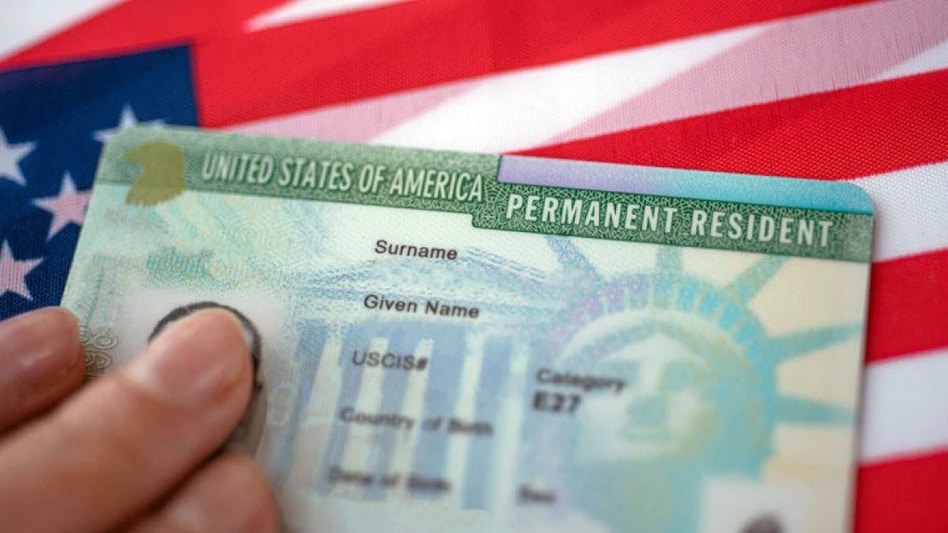
 USCIS cracks down on serious crimes
The U.S. Citizenship and Immigration Services (USCIS) issued a public warning on Wednesday, stating that individuals holding green cards or visas could face immediate removal of their immigration privileges if found guilty of serious criminal offences, including support for terrorist activity.
In a message posted on X, USCIS shared an image that read: “Green cards and visas will be revoked if an alien breaks the law.” The agency emphasised that non-citizens are at risk of losing their permanent residency or visa status if they “advocate for violence, endorse or support terrorist activity, or encourage others to do so.”

 India's retail inflation rises to 5.54% in September; food inflation hits 7.74%
 BT EXCLUSIVE | India not unique in satellite licensing process; compliance rules apply globally, says Eutelsat OneWeb's Neha Idnani
  HAL, BSE, Meesho, Swiggy, Infy: Stocks top 4 life insurers bought, sold in September
 The world is growing more coffee than it may drink. Prices drop by 8.7%
 Nobel Prize 2026 in economics goes to Robert E Hall, Michael Woodford for microeconomic research
 India-UK Trade Ties Set for Fresh Push? Goyal Calls for Faster Business Cooperation
 Rahul Gandhi Vs Gyanesh Kumar: 200 Officers Claim Escalates Election Commission Row
 Small Cap Stocks Could Crash 50%? Why Investors Need to Be Cautious
 Nifty May Fall Another 1,000 Points? Market Expert Flags 5% Downside Risk
 Why India's Government Bond Yields Are Rising | Demand, Supply and RBI Policy
 Nifty may fall another 5%? Market expert flags key risks for Dalal Street
 HCLTech Q2 results: Profit up 21% at Rs 5,132 crore; announces Rs 12 per share dividend
 L&T Technology Services launches AI lab with NVIDIA for digital manufacturing, stock gains
  CG Power shares: Analyst says book profit on rallies and buy on dips
 Eicher Motors, TVS Motor, Maruti Suzuki, M&M shares among Elara's top auto picks; check targets
 Retail inflation hits 21-month high, set to squeeze your household budget furtherBT EXCLUSIVE | India not unique in satellite licensing process; compliance rules apply globally, says Eutelsat OneWeb's Neha Idnani
  Stellantis to ride on Tata Motors technology for global markets
 Microsoft President calls for greater safety oversight, says ‘even milk has safety inspection’
 Crude oil may hit $110, India's import basket could touch $130 in 10 days: SBI Research












