


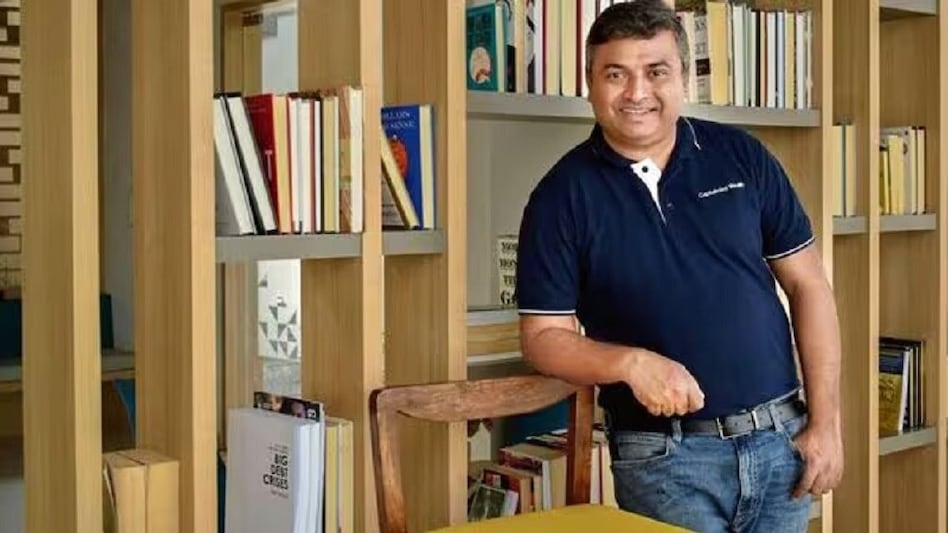
 Shenoy’s observation draws attention to the importance of market breadth — a measure of how widely gains or losses are distributed across stocks — rather than relying solely on benchmark movements.
 India’s equity markets may look steady at the index level, but Capitalmind Mutual Fund data suggests the broader market continues to face significant stress.
Deepak Shenoy, CEO of Capitalmind AMC, highlighted the scale of the divergence in a recent post on X, stating: “Think about it: 67% of all Nifty 500 stocks are down more than 20% from their all-time highs.”

 For every Rs 100 Tamil Nadu builds with, it pays Rs 138 in interest
 Govt approves ₹4,687 crore to fuel India's ethanol push
 Meet Tewolde Gebremariam, Air India's new CEO who transformed Ethiopian Airlines
 Will Tata Sons have to list under new NBFC framework? There may be some hints from RBI Governor
 Google, Tata Group and Amazon are India’s most attractive employers — but work-life balance, not pay, is the biggest talent magnet
 RBI Governor Explains Why India Expects Strong FDI, Stable Rupee & Healthy Capital Flows
 Siemens India MD & CEO Sunil Mathur On AI, Smart Factories & India's Infrastructure Revolution
 LIC OFS Fully Subscribed! Should Retail Investors Buy Now Or Wait Before Investing?
 This Sector Could Lead The Next Rally! Vaibhav Sanghavi Reveals 3 Biggest Market Bets
 Oil Prices May Fall To $60? Expert Explains How Middle East Tensions And OPEC Could Impact Crude
 Sensex, Nifty close higher; UltraTech Cement, NTPC, SBI top gainers
  Castrol India: EV sales surge a major risk for lubricant major? CFO explains
  BTTV Exclusive | 3 stock investment themes Vaibhav Sanghavi is bullish on
 BTTV Exclusive | Gulf Oil MD Ravi Chawla outlines FY27 roadmap after strong Q1 show
 Explained: Why Closing Auction Session is triggering sharp market swings
 RBI keeps repo rate steady: Experts reveal where debt investors should put their money now
 US B1/B2 visa renewal for Indians in 2026: New rules, fees and interview checks with tougher procedure explained
 DLF eyes Rs ₹2,000 crore from senior living project in Gurugram
 364 MT of Pakistan-origin dates routed through Dubai seized at Kandla Port
 'Ladka theek lagta hai...': How Atal Bihari Vajpayee helped Anil Agarwal list Vedanta in London










