








 The figure of 80,000 total revocations far exceeds the 2024 pace, reflecting a broad immigration crackdown under the Trump administration
  The figure of 80,000 total revocations far exceeds the 2024 pace, reflecting a broad immigration crackdown under the Trump administration
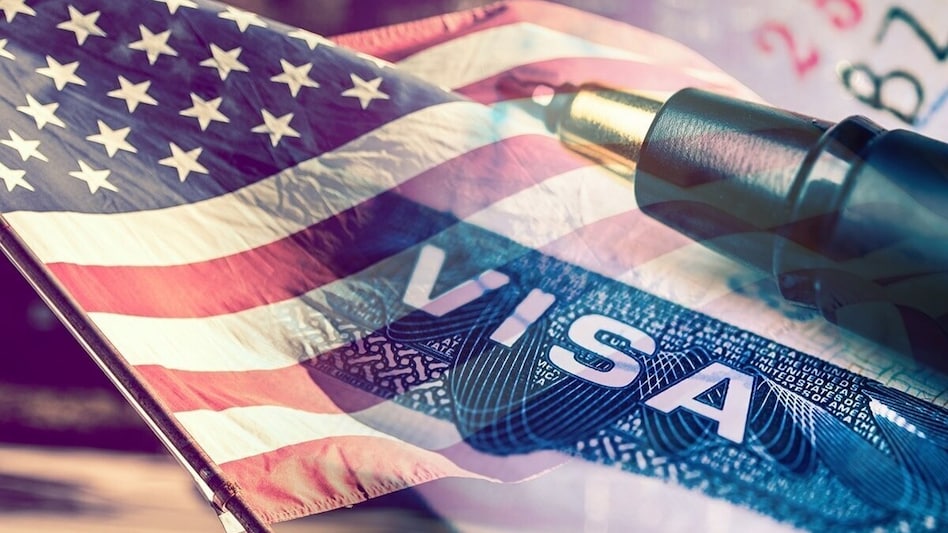
The US State Department revoked 8000 student visas of the total 80,000 non-immigrant visas during Donald Trump's second term, according to a report by PIE News.
Officials noted that assault, theft, and driving under the influence were the leading grounds for their dismissals, collectively making up roughly half of all revocations reported this year.
According to a State Department spokesperson, the visas were revoked whenever indicators of ineligibility surfaced, including overstays, criminal activity, threats to public safety, ties to terrorism or support for terrorist organisations.
The figure of 80,000 total revocations far exceeds the ones recorded in 2024, reflecting a broad immigration crackdown under the Trump administration that has also involved arrests and detentions of international students in connection with pro-Palestinian speech.
Other revocations and cancellations
The Department reported that about 16,000 visas were cancelled for DUIs (Driving Under Influence), around 12,000 for assaults and about 8,000 for thefts. Officials stressed that visa termination can occur at any time at the department’s discretion.
In a social media post, the State Department touted that “promises made, promises kept,” and asserted that President Trump and Secretary of State Marco Rubio would always prioritise the safety and interests of Americans.
Social media vetting rules tightened
Under the current administration, the U.S. has tightened visa procedures with more stringent social media screening and broader background checks.
In the latest strengthening of social media laws further for various visa applicants, the United States has broadened its screening protocol for H-1B visa seekers and their H-4 family members/dependents, with a mandate that all their social media profiles should be public.
A fresh directive issued last week outlined that, starting December 15, officials will review the online footprints of all H-1B applicants and their accompanying family members.
Previously, students and exchange visitors faced this level of scrutiny; the policy has now been extended to include H-1B and H-4 visa seekers as well.
The State Department stated that, to aid the vetting process, applicants for H-1B and their dependents (H-4), along with those seeking F, M, and J visas, should ensure their social media privacy settings are configured to public.
 Centre to launch new series WPI, producer price indices on June 15
 Oyo parent Prism gets Sebi nod for ₹6,650-cr IPO; eyes $7-8 bn valuation
 Mother Dairy expects 5% growth in FY27; eyes expansion beyond Delhi-NCR
 IT stocks stage a comeback: Five factors supporting the strong upmove
 ‘This is an incredible time to be a…’: Nvidia CEO Jensen Huang said on ‘SaaSpocalypse’
 From Global Uncertainty To India's Opportunity: The Big Economic Outlook
 Godrej Industries Is Entering The Wealth Management Space As It Looks To Scale Up Financial Services
 SIP Vs SWP: The Two-Step Mutual Fund Strategy That Could Help Become A Millionaire & Retire Early?
 Daily Calls LIVE: Ask Your STOCK MARKET TODAY QUERIES | Market Update LIVE | Share Market News Today
 Retired At 39! How Sanjay Kathuria Turned A ₹2,000 SIP Into Complete Financial Freedom
 Tata Tech, Bharti Airtel, PFC, BLS International shares: Should you enter at current levels?Oyo parent Prism gets Sebi nod for ₹6,650-cr IPO; eyes $7-8 bn valuation
 Rs 75/share dividend by Tata Group stock – Record date next week IT stocks stage a comeback: Five factors supporting the strong upmove
 CMR Green Technologies IPO: GMP zooms 130% in a week; should you subscribe?