


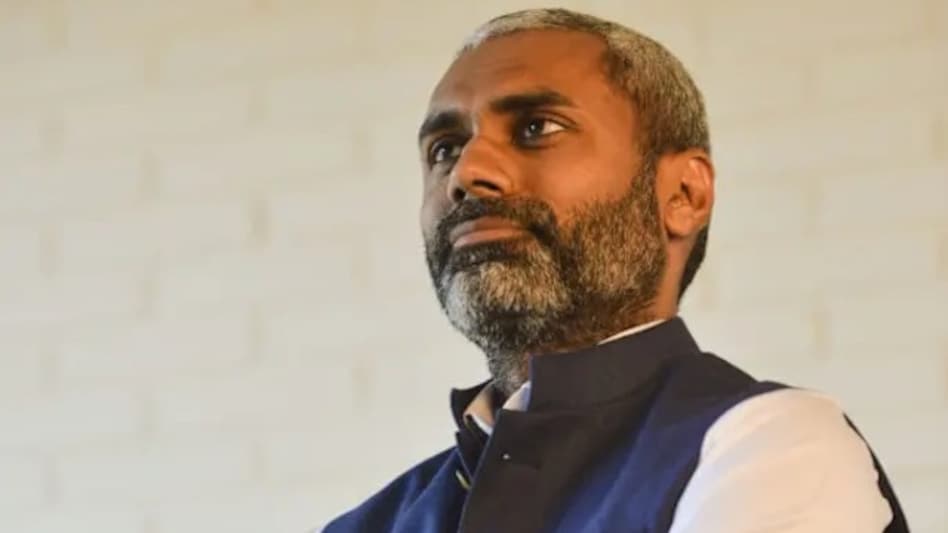
 “Just because you got capital available doesn't mean founders are going to choose to start a company,” Mohapatra said.
India’s deeptech funding conversation is shifting away from how much capital is available to who it is backing, and for how long. As startups in deeptech bear long gestation cycles and heavy upfront costs, investors are rethinking a model built around deployment targets and sector allocations.
At the core of this rethink is the recognition that deep tech cannot be funded like consumer internet or SaaS. Unlike businesses that show early revenue traction, deeptech companies often spend years building technology before commercial outcomes are visible. As Hemant Mohapatra, Partner at Lightspeed India Partners explained, “Deeptech does take a deep J curve," speaking on the sidelines of India Ascends 2026.

 BT BIG STORY | No jobs, no security: The crisis facing India's educated youth
 Jio Platforms IPO: Should you apply? Check ratings from 20 brokerages, latest GMP and key details
 Elon Musk plans a mega-merger? SpaceX and Tesla set up committees to explore merger deal
 ‘Everything everywhere at the highest quality…’: Akash Ambani on satellite broadband plan in India amid Jio IPO
 'Pretty close': After Rubio, Donald Trump says India-US trade deal is in sight
 Apple's New Smart Home Devices: HomeView, Apple TV 4K & HomePod mini 2 | Tech Today
 Starlink Vs India: Is Elon Musk Being Blocked? | Tech Today
 RBI Measures Boost Rupee | Is Further Depreciation Unlikely?
 More RBI Rate Hikes Ahead? PPFAS Mutual Fund CIO Shares His Outlook
 Retirement Planning: How a ₹10,000 Monthly SIP Can Grow to ₹1 Crore in 20 Years
 Jio Platforms IPO subscribed 85% within 5 mins on Day 1; GMP hits fresh highs
 Kalpataru Projects shares rise 3% as subsidiary bags Rs 2,349-crore orders
 HD Fire IPO shares listing today: Check latest GMP before stock market debut
 Jio Platforms IPO: Issue subscribed 57% in pre-IPO window, NSE data shows; check latest GMP
  Paras Healthcare IPO opens today: Should you subscribe? Check reviews, ratings, fresh GMP & details‘Everything everywhere at the highest quality…’: Akash Ambani on satellite broadband plan in India amid Jio IPOElon Musk plans a mega-merger? SpaceX and Tesla set up committees to explore merger dealJio Platforms IPO subscribed 85% within 5 mins on Day 1; GMP hits fresh highs Kalpataru Projects shares rise 3% as subsidiary bags Rs 2,349-crore orders
 Delhi AQI today: National capital records first ‘poor’ air quality of 2026 as smog blankets its skies












