


 Implemented from October 4, 2025, Phase 1 introduced continuous daytime cheque presentation, allowing banks to send cheque images and MICR data in real time.
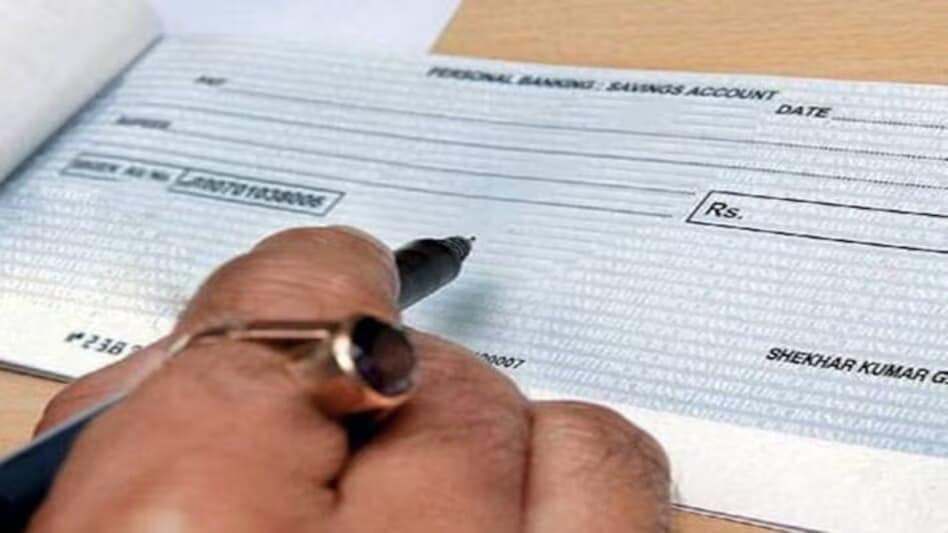
The Reserve Bank of India (RBI) on Wednesday said it has postponed the rollout of Phase 2 of the cheque clearing system until further notice, giving banks additional time to streamline their operations. The earlier rollout date was January 3, 2026.
Earlier, lenders had been directed to shift to a continuous cheque clearing system from October 4, 2025, replacing the traditional fixed batch format to improve customer convenience.

 NSE fixes IPO offer price at Rs 1,785 per share
 BT Big Story: How the FCNR(B) deluge has created two new problems for the RBI
  ‘I think the world of Chandra,’ says JPMorganChase Chairman Jamie Dimon amid reappointment row
 Tata Sons to be split into smaller entities instead of listing? Here’s what we know
 iPhone 18 Pro users have a new problem: Face ID fails, phones reboot unexpectedly
 R Veeramani POCSO Case Widens: Multiple Survivors Traced | India Today Investigation
 Karnataka Fake Drug Crackdown: 16 Licences Cancelled, 8 Suspended In ₹5-Crore Racket
 EaseMyTrip Co-Founder Nishant Pitti Named In Mahadev Case, ED Attaches ₹59.6 Cr Shares
 Q2 Earnings Outlook: FMCG, Auto & Consumer Durables Seen Delivering Strong Growth
 S. Jaishankar Flags 4F Crisis Of Fuel, Food, Fertilizer & Finance At UN Summit
 Meesho shares: Fresh price target signals 24% upside as UBS raises growth estimates
  JSW Infrastructure shares hit record high; stock up over 50% in six months
 IRCTC share price target: Choice says railway stock warrants premium; here's why
  Waaree Energies shares gain 2% on 2 GW solar module order win; key details
  Snapdeal-parent AceVector to launch IPO on September 25; check price band & other key detailsMeesho shares: Fresh price target signals 24% upside as UBS raises growth estimates JSW Infrastructure shares hit record high; stock up over 50% in six months
 IIT-B student death: CCTV footage reveals what happened between 12:30 pm and 12:45 pm on the exam day
 Govt brings new BIS rule for phone screen protectors: What buyers need to knowR Veeramani POCSO Case Widens: Multiple Survivors Traced | India Today Investigation












