


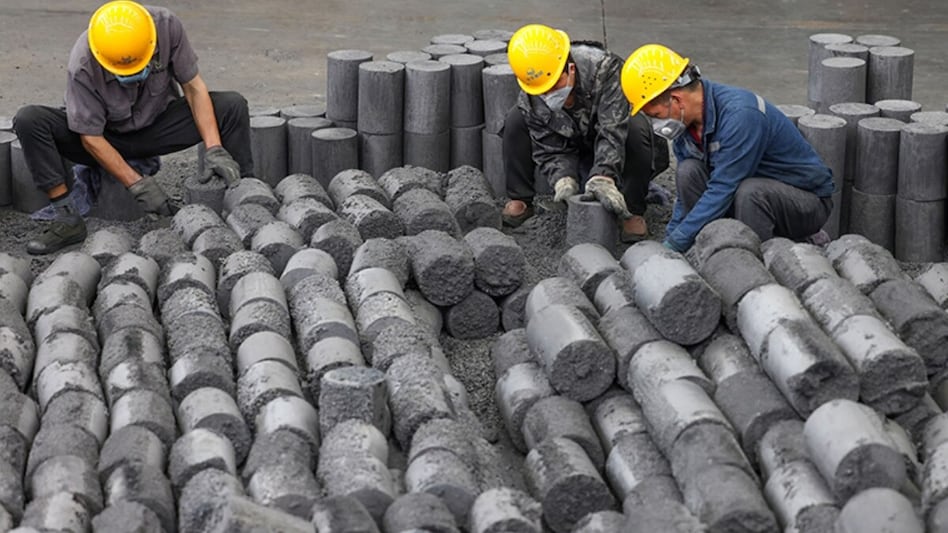
 Graphite is no longer just an industrial input — it is fast becoming a strategic asset in the global energy transition.
Graphite, a critical mineral essential for electric vehicle (EV) batteries, renewable energy storage and advanced electronics, is back in focus as the United States pushes to reduce its heavy dependence on imports. With global supply chains being reshaped and China’s dominance under scrutiny, graphite mining is emerging as a strategic priority — opening new opportunities for exporters and investors, including those in India.
The renewed interest in graphite is being driven by the rapid expansion of the EV industry. Every lithium-ion battery requires graphite for its anode, and demand is expected to multiply several times by the early 2030s. Rising geopolitical tensions, export restrictions and supply security concerns have prompted Washington to classify graphite as a “critical mineral”.

 Tata Trusts propose merger of two Tata units with Tata Sons to avoid listing
 Essar Group's Mesabi Metallics plans $15 billion US steel mill, Trump to unveil the project
 Air India CEO-designate Tewolde lays out 5 priorities, puts safety and reliability first
 Nifty set for worst returns in 15 years, analysts weigh in
  India's industrial output hits 8% growth in August, manufacturing up 9%
 Crude Oil Next Big Commodity Bet? | Strait Of Hormuz Crisis | Commodity Outlook
 Nifty Falls: 22,500-22,300 Next? Expert Warns Against Bottom Fishing Amid Sharp Sell-Off
 Meta Muse AI & Smart Glasses, iPhone 18 Pro Max In-Depth Review & Easy iOS Data Transfer | Tech Today
 Silver Slips Below 200 DMA: Why This Crash Is A Golden Buying Opportunity | Navneet Damani
 Gold Falls $1,500 From Peak: Smart Accumulation Or Risky Bet? | Anuj Gupta
 BSE stock may test Rs 3,000 mark, says analyst; stays positive for long term
  Why HDFC Bank, TVS Motor shares are top picks amid ongoing correction
  Tata Steel shares lag peers over three months; is European business weakness priced in?Nifty set for worst returns in 15 years, analysts weigh in
  YES Bank, BOI, BoM, Union Bank, PNB, RBL Bank: Why bank stocks fell today
 98% of wealth firms are pursuing AI, but fewer than 7% are building agentic AI: HCLTech study
 How much are people using AI? These countries recorded the most AI tool visits in 2025
 Financial Horoscope Today, September 29, 2026: Aries Sign Will See an Increase in Wealth, Find Out What Your Sign Says
 Meet Navya Tuteja: Her school blocked ChatGPT, but this 17-year-old built an AI startup to help neurodivergent people find the right jobs
 NFO Alert: HDFC launches REITs fund; ICICI Prudential bets on contra investing












