

 While BIS hallmarking improved consumer protection, loopholes like fake stamps led to the rollout of HUID—a six-digit alphanumeric code now mandatory on hallmarked jewellery.
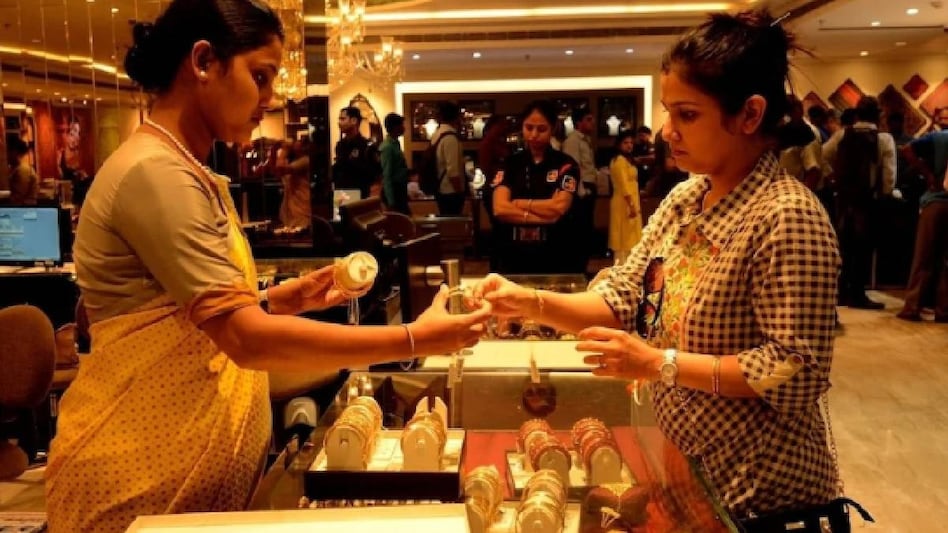
In India, gold has always been one of the most trusted investments. Whether it’s jewellery for weddings, savings for the future or something passed down through generations, purity has always been a top priority. But as gold prices rise and demand increases, risks like fraud, mixing and misrepresentation have also grown. That’s where technology is now playing a major role. It has changed how gold is tested, traded, verified and even stored.
In the last few years, modern tools and digital systems have given the entire gold ecosystem a big upgrade. These improvements help jewellers stay transparent and protect customers from any kind of malpractice. Let’s look at how technology is making gold safer and more reliable.
 ‘An Indian consumes 1/10th of an average American’: Amb Kwatra says energy security comes first
 Tata stock to buy: Nuvama bets on unique tech-telecom play, sees 28% upside
  NSE IPO, Hero Motors IPO, SS Retail IPO, Jindal Supreme IPO: GMP of four ongoing issues rises up to 32%
 UPI MDR: BharatPe distances itself from Ashneer Grover's remarks, says UPI to remain free for consumers
 IndiGo shares in focus as baggage, infant fee, priority boarding charges likely raised
 Corporate Health Insurance Vs Retail Policy: Why You Need Personal Health Cover Too
 How India Changed In 12 Years: PM Modi’s Journey From Economic Reforms To Viksit Bharat
 Modi @76: From Twitter To Instagram, How His Digital Outreach Has Evolved
 Stock Picks To Watch: Shibani Kurian Reveals Kotak AMC’s Market Bets
 Gold ETF vs Physical Gold: Know the Tax Rules, Charges and Key Differences
 Block deal effect: Bombay Burmah shares zoom 9%, Mcap crosses Rs 10,000 crore
  Yatharth Hospital shares jump 20% in two days; what's behind the surge?
 Veegaland Developers IPO shares make decent debut; stock lists at 10% premium on NSENSE IPO, Hero Motors IPO, SS Retail IPO, Jindal Supreme IPO: GMP of four ongoing issues rises up to 32%
 Tata Chemicals, Tata Investment shares drop up to 8%: Why Tata stocks are falling todayBlock deal effect: Bombay Burmah shares zoom 9%, Mcap crosses Rs 10,000 crore Yatharth Hospital shares jump 20% in two days; what's behind the surge?Veegaland Developers IPO shares make decent debut; stock lists at 10% premium on NSE
 What endures: The residential school in a changing worldUPI MDR: BharatPe distances itself from Ashneer Grover's remarks, says UPI to remain free for consumers












