









 Under the current rules, AIFs are required to liquidate assets and distribute proceeds within a specified "permissible fund life" after settling all liabilities.

 Under the current rules, AIFs are required to liquidate assets and distribute proceeds within a specified "permissible fund life" after settling all liabilities.
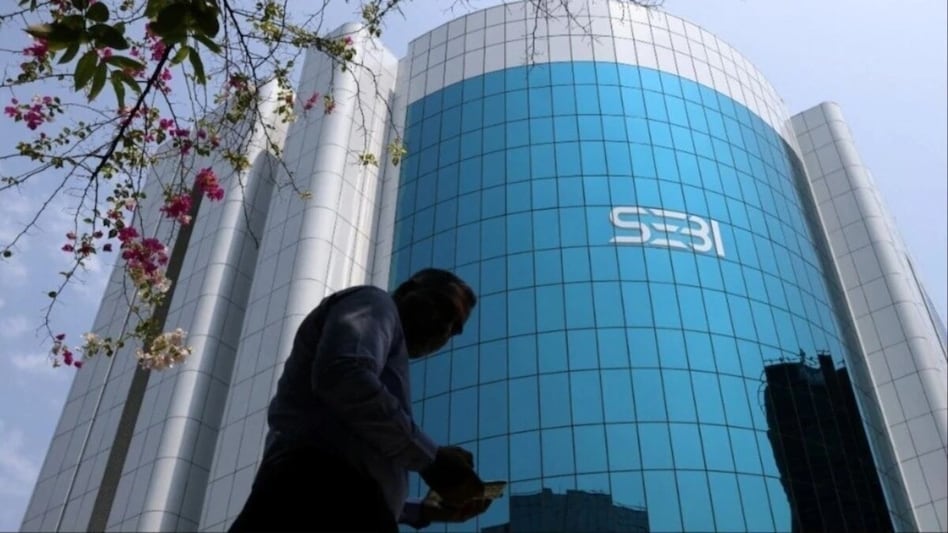
The Securities and Exchange Board of India (SEBI) has proposed a more flexible framework for Alternative Investment Funds (AIFs) looking to wind up their schemes or surrender registrations, particularly when funds remain locked due to unresolved tax or legal matters. The market regulator released a consultation paper on February 5, 2026, inviting public comments on the proposed changes by February 26.
Under the current rules, AIFs are required to liquidate assets and distribute proceeds within a specified "permissible fund life" after settling all liabilities. However, SEBI noted that several AIFs continue to retain funds beyond this period due to pending litigation, anticipated tax demands, or operational expenses—making it difficult for them to comply with the existing surrender process.
To address this, SEBI has suggested allowing AIFs to:
AIFs meeting these criteria may be categorised as "inoperative funds," and will be subject to reduced compliance requirements. These include discontinuation of certain regulatory filings, prohibition on launching new schemes, and a ban on charging management fees. Surrender applications from such AIFs will be processed only once a NIL bank balance is achieved after settling all liabilities.
SEBI's proposals also outline amendments to Regulation 29(7) of the AIF Regulations, 2012, allowing for flexibility in fund distribution terms “as may be specified by the Board from time to time”.
The move comes in response to repeated requests from industry stakeholders who flagged the regulatory challenges faced by funds nearing closure, particularly when inactive but entangled in prolonged disputes. SEBI's Alternative Investment Policy Advisory Committee (AIPAC) has reviewed and recommended the proposals.
Public comments can be submitted via SEBI’s website, and two dedicated emails have been provided for technical queries.
 India's monsoon runs on a double engine: The hidden weather tag team deciding where the rain falls
 Same 43°C temperature, different reality: Why Europe's heatwave is more deadly than India's
 'Think of yourselves like stocks': WhatsApp chief Kunal Shah's advice for youth - what he means
 Dixon Technologies shares: Four factors why JM Financial upgraded the EMS stock
  From engineers to product managers: Here's how much Anthropic pays, with salaries up to ₹13.02 crore
 HP EliteBook X G2a Review: An AI PC in 2026 With 64 GB RAM And A Price To Match
 China’s Modern Inequality System | Akshita Nandgopal Unpacks The Brutal Reality Of The Hukou System
 India Food Label Scam Explained By Sneha Mordani | FSSAI Issues Strict Action
 Should You Get Your Heart Check Before Gym? Sneha Mordani & Dr Devi Shetty Explain
 Biggest Water Dispute In Asia | India-Pakistan Indus Crisis Update
 Dixon Technologies shares: Four factors why JM Financial upgraded the EMS stock
  Coforge, KPIT Tech, Cyient among top IT stocks to buy for upto 44% upside amid AI recovery
 Infosys, Hindalco, Redington: How FPI-heavy stocks fared in June as outflows hit ₹53K crore
 Last chance next week to buy four Bajaj Group stocks for dividend; check payout, record dates
 Coforge, Mphasis, Persistent, LTIMindtree: Share price targets as IT stocks under pressure