








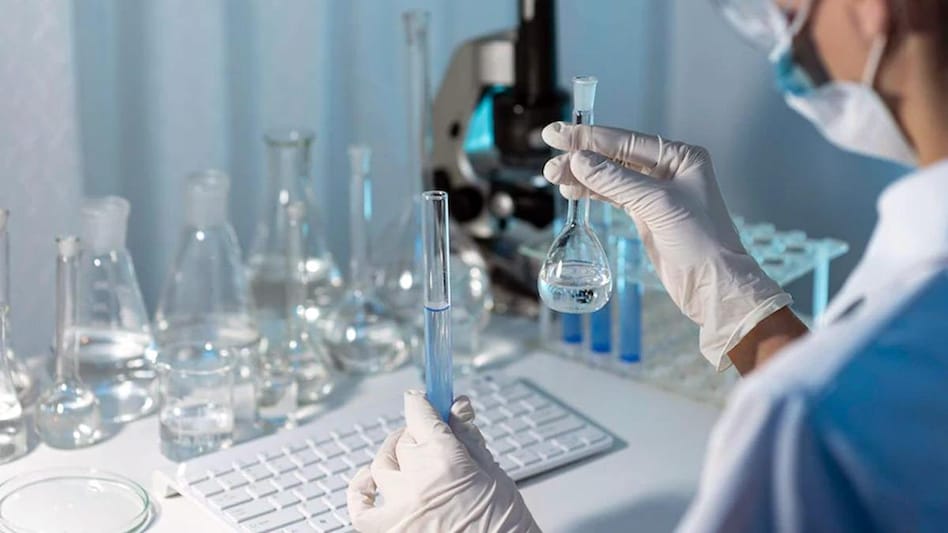
 Innovation in the sector has a high lead time and is also heavily dependent on capital intensive R&D.Innovation in the sector has a high lead time and is also heavily dependent on capital intensive R&D.
Hon'ble Finance Minister Nirmala Sitharaman in her maiden budget speech emphasised on the well-being and health of the society with the slogan -- 'Mazboot desh ke liye mazboot nagrik', thereby introducing the vision of Ayushman Bharat. Since then, the Government of India has demonstrated a large focus on the well-being of the society with introducing policies around 'Make in India', increased budgetary allocations, promoting universal healthcare, medical tourism and digital health ecosystem, etc., to provide the lifesciences sector the required centre stage.
Having said that, amid a rapidly changing demography and government initiatives, some gaps continue to remain in the ability of the sector to contribute significantly to the GDP of the country. The industry expects Budget 2022 to have a larger focus on the sector for augmenting growth and encouraging further investments.
Key expectations from Budget 2022 for the lifesciences sector:
Enabling ecosystem for innovation and research
Innovation in the sector has a high lead time and is also heavily dependent on capital intensive R&D. In absence of any substantial tax incentive/ tax holiday/ exemption for R&D activities, the government could explore various options to augment innovation in the sector vide Budget 2022 such as:
Also Read: Budget 2022: What real estate sector, homebuyers expect from FM Sitharaman
Skilled labour
Customs related reforms
Others
(Rahul Kakkad is Tax Director at Lifesciences practice, EY India. Dipesh Chauhan, Senior Tax Professional, EY also contributed to the article. Views expressed are personal.)
Also Read: Budget 2022: Bank privatisation may get a fresh push
 ‘Absolutely no compromise on agriculture, dairy, sugar’: Piyush Goyal on India-US trade deal
 Exclusive: Adani Group to start coal gasification work this year, expand MRO operations, says Jeet Adani
 Kalyan Jewellers, Vaibhav Global, Thangamayil, Senco, PN Gadgil & Goldiam jump up to 15%; here's why
 Shipping Corp shares zoom 14% on Q3 earnings, dividend; check details
  Elon Musk shifts SpaceX focus to ‘self-growing’ Moon city over Mars colony
 India-U.S. Trade Deal Triggers Political Storm As Congress Says Trump Wins, Modi Loses On Farmers
 US Map On Trade Deal Shows Full J&K As India, Sending Sharp Signal To Pakistan And China
 “India’s Trade Policy Has Shifted Fundamentally After The US Deal,” Says Piyush Goyal
 Govt Scraps Small Car Concessions In Emission Norms; Maruti Seen Most Impacted
 Bhaijaan Meets Bhagwat: Salman’s RSS Appearance Triggers Political Firestorm
 Kalyan Jewellers, Vaibhav Global, Thangamayil, Senco, PN Gadgil & Goldiam jump up to 15%; here's whyShipping Corp shares zoom 14% on Q3 earnings, dividend; check details
  YES Bank shares snap two-day fall; analysts advise caution on near-term outlook
 Tata Steel shares hit record high on Q3 earnings; here's what brokerages say
  Suzlon Energy price target cut by 33%, order inflows at risk; here's why