


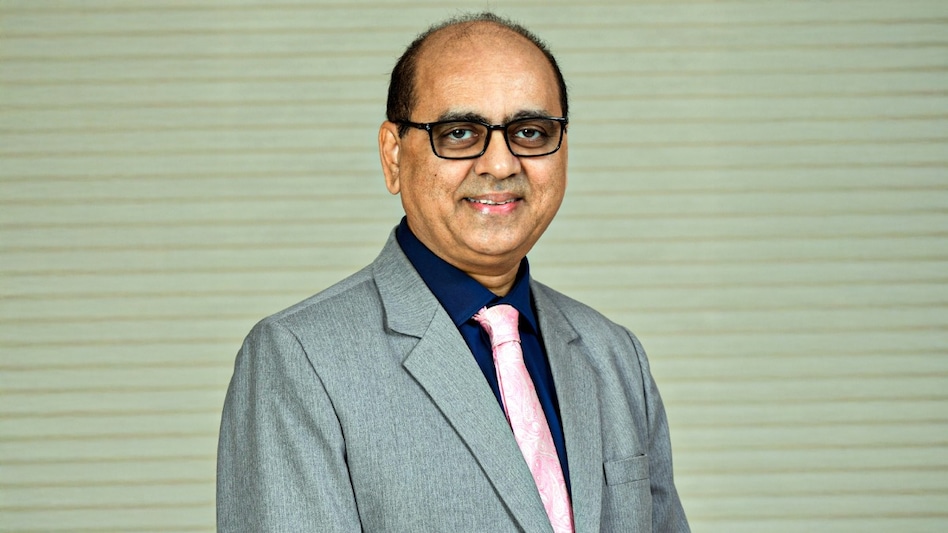
 The Budget strikes a balance between addressing immediate challenges and keeping sight of long-term strategic priorities, said Rajan Pental of YES BANK.
The Union Budget 2026 signals a clear intent to steer India’s growth towards a more resilient, sustainable and future-ready economy, with a strong focus on insulating the country from global shocks. The Budget was presented against the backdrop of a relatively strong domestic macro environment, marked by low inflation, stable current account dynamics and healthy bank and corporate balance sheets.
Dr. Rajan Pental, Executive Director,YES BANK, said the macro fundamentals provided policymakers with room to pursue longer-term strategic goals while addressing near-term risks. “The recently published Economic Survey indicated that ‘Swadeshi’ was a legitimate policy instrument in a global environment where trade is no longer fully reciprocal,” he said. “It also outlined India’s shift from traditional import substitution towards strategic resilience and strategic indispensability.”

 India’s AI bet goes global: 93% of businesses trust AI with data, 87% eye new markets
 RBI forex swap facility draws $72.85 billion inflows, FCNR(B) deposits account for bulk
  Delhi H1N1 outbreak: 1,777 cases recorded. Symptoms, who are at risk & how to stay safe
 FII sentiment shows early signs of turnaround after months of selling: Report
 UPI should remain free: Expert on why MDR could push merchants and consumers back to cash
 Rental Income Tax: 3 Key Deductions Every Senior Citizen and Property Owner Should Know
 Meta’s $200 Billion Trial: Did Instagram & Facebook Keep Kids Hooked?
 Motor Insurance Explained: Is Third-Party Car Insurance Enough? Know Before You Buy
 Retirement Tax Planning: 5 Ways Senior Citizens Can Reduce Their Tax Liability
 #IndiaAt100 : Adipen Bose Nandhiji On Conscious Capitalism- Can Profit & Purpose Coexist?
 Crompton Greaves says no plan to sell stake, expects revenue to double by FY31
 Gaja Alternative Assets IPO: 3 ways to check application status; allotment odds, GMP, listing dateFII sentiment shows early signs of turnaround after months of selling: Report
 ₹24,800 crore bill: How transaction costs are eating into retail derivatives trading
 Cupid, NTPC Green, NTPC, Raymond Realty, HAL shares: Key technical levels to watchRental Income Tax: 3 Key Deductions Every Senior Citizen and Property Owner Should Know
 LinkedIn dating? India chief says platform to remain professional networking only
 AI jobs rise 51% in India, but 75% of job skills could change by 2030: LinkedIn India headRBI forex swap facility draws $72.85 billion inflows, FCNR(B) deposits account for bulk
  India’s forgotten soft drink: This Pune brand is 142-years-old and predates Coca-Cola












