


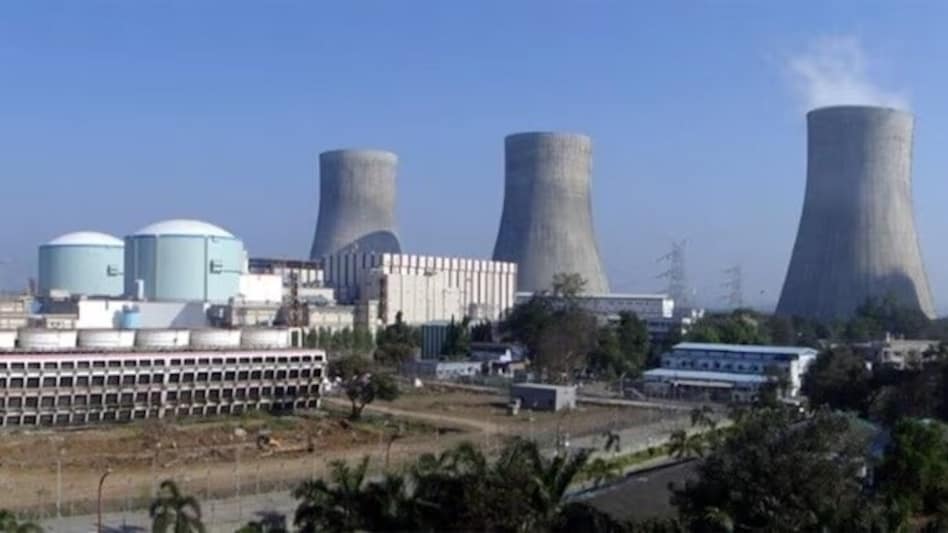
 A key structural reform under the SHANTI Act is the calibrated opening of the nuclear sector to participation by private entities.
 India has taken a decisive step towards strengthening long-term energy security with the enactment of the Sustainable Harnessing and Advancement of Nuclear Energy for Transforming India Act, 2025, or the SHANTI Act. The government is expected to roll out the new institutional framework and detailed rules governing nuclear energy within the next three months, signalling a shift in India’s civil nuclear policy.
According to Megha Arora, Partner at CMS IndusLaw, and Abhishek Rohatgi, Associate at CMS IndusLaw, the SHANTI Act is a cornerstone of India’s strategy to achieve energy independence and meet its net-zero emissions target by 2070. The law also underpins the ambition to scale nuclear power capacity to 100 GW by 2047. In a significant overhaul, the Act replaces both the Atomic Energy Act, 1962 and the Civil Liability for Nuclear Damage Act, 2010, creating a consolidated and modern legal framework.

 'RBI letter does not mention listing': Noel Tata seeks full briefing on Tata Sons-RBI talks
 Tata Trusts asks Tata Sons to explore options other than listing, says ‘Tata Model has to be saved’
 Tata Trusts proposes ₹25,000 crore plan for SP Group, says Tata Sons listing is not an option
 Chandrasekaran had assured all necessary steps were being taken to remain private: Noel Tata
 'We cannot put the cart before...': Noel Tata's argument against N Chandrasekaran's reappointment
 How India Changed In 12 Years: PM Modi’s Journey From Economic Reforms To Viksit Bharat
 Modi @76: From Twitter To Instagram, How His Digital Outreach Has Evolved
 Stock Picks To Watch: Shibani Kurian Reveals Kotak AMC’s Market Bets
 Gold ETF vs Physical Gold: Know the Tax Rules, Charges and Key Differences
  PPF vs NPS: Tax Benefits, Returns and Lock-in Period Explained for Retirement Planning
 Hero Motors IPO subscribed 3.37 times on Day 2; retail portion subscribed over 5 times
 NSE IPO: India's largest exchange gets 43% subscription on Day 1; NIIs, retail see strong demand
 Rentomojo shares settle maiden trade nearly 32% above IPO price; what should investors do now?
 Sensex slips, Nifty settles higher; Tata stocks gain after N Chandrasekaran reappointment
 Cochin Shipyard, KRBL, RITES, Ramky Infrastructure among stocks to turn ex-dividend on September 18
 Who is Sethuraman Panchanathan? Chennai-born scientist honoured with NAE’s prestigious Bueche Award
 Vijay’s UK visit brings ₹15,300 crore investment commitments to Tamil Nadu, over 10,000 jobs
 From seafood waste to reef recovery: How 500,000 tons of oyster shells helped restore the Gulf
 Micron workers reject 68 months’ pay, demand 15% of AI boom profits
  Australia to restrict family visas for international students: What Indian applicants need to know












