


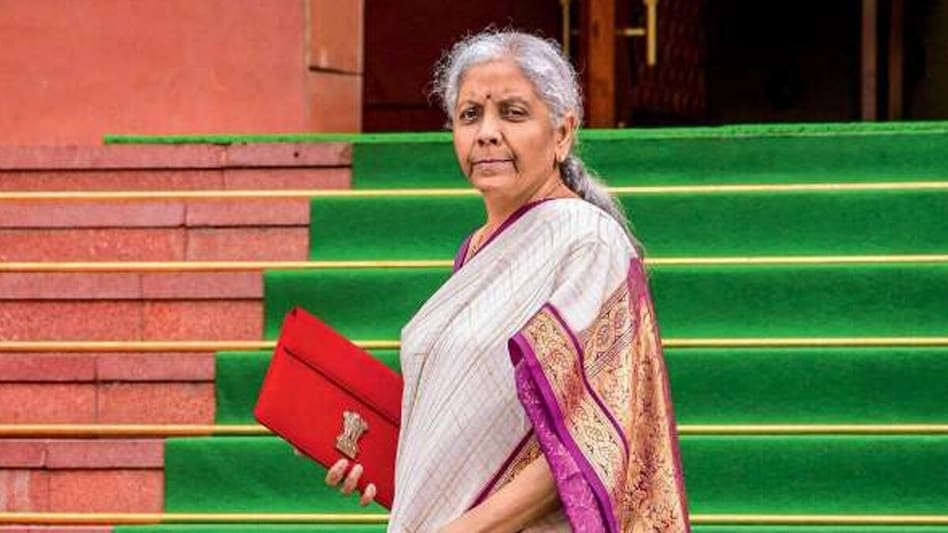
 Union Budget 2026: Budget is expected to clarify whether the government prioritises faster deficit reduction or continues to lean on public spending to support growth.
 As India heads into Union Budget 2026, one number is quietly shaping every major fiscal decision: the debt-to-GDP ratio. Often buried beneath headline-grabbing announcements on taxes and spending, this ratio is a key indicator of how sustainably the government is managing the economy — and how much room it has to respond to future shocks.
With global interest rates higher for longer and fiscal consolidation back in focus, Budget 2026 is expected to signal how India balances growth ambitions with debt discipline.

 Setback for Subhash Chandra: NCLT puts media baron's repayment plan on hold, seeks CBI response in 4 weeks
 NSE IPO: Sunil Munjal, RK Damani, Raamdeo Agrawal, Dolly Khanna, Kris Gopalakrishnan turn big winners; here's how
 Tata power play: Chandrasekaran family's TVS ties emerge days after Venu Srinivasan backs his third term
 BT Big Story: Why India Inc is warming up to non-English-speaking executives
  After 'annihilation' threat for Iran, Donald Trump backs India-Middle East-Europe Corridor
 S&P Upgrades India’s FY27 Growth Forecast By 40 Bps To 7%; Expects RBI Rate Hike To 5.50%
 Supreme Court On Medicine Prices: ₹27,000 MRP For ₹2,700 Drug | ‘Extortion’, ‘Daylight Dacoity’
 Macro Volatility Vs Earnings: Why Earnings Matter More Than Valuations | Anshul Saigal
 India’s CDMO Opportunity: Anshul Saigal Spots Underappreciated Names
 IT Stocks Under Pressure: What Next For Indian Markets? | Chakri Lokapriya
 Swastika Infra IPO booked 30% in 2 hours on Day 1: Check brokerage views, latest GMP and key detailsNSE IPO: Sunil Munjal, RK Damani, Raamdeo Agrawal, Dolly Khanna, Kris Gopalakrishnan turn big winners; here's how
 Adani Ports shares: CLSA retains 'Outperform'; highlights logistics, marine growth
 IDFC First Bank shares rise 5% as MOFSL upgrades rating; check target price
 Dixon Technologies stock slips 29% from 52-week high; tracking price targets, recovery prospects
  Why Protean eGov Technologies is looking at an aggressive overseas expansion
 'All decisions taken unanimously': Election Commission denies dissent report on SIRSwastika Infra IPO booked 30% in 2 hours on Day 1: Check brokerage views, latest GMP and key detailsAfter 'annihilation' threat for Iran, Donald Trump backs India-Middle East-Europe CorridorNSE IPO: Sunil Munjal, RK Damani, Raamdeo Agrawal, Dolly Khanna, Kris Gopalakrishnan turn big winners; here's how












