


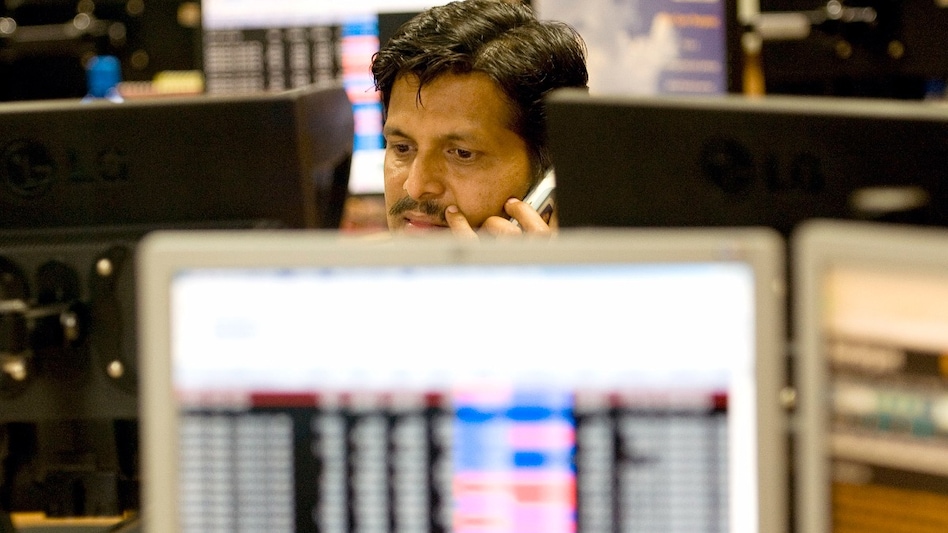
 The Budget will be realistic but ambitious in outlook. The focus would rightly be on “Swadeshi as it is both inevitable and necessary, said MOFSL.
Economic Survey 2026, released yesterday, assumed significance not only for assessing growth assumptions but also for gauging the state of the Indian economy amid shifts in the global order. Market participants said the survey highlighted growing risks and vulnerabilities, and pointed to the increasing importance of certain sectors in the Budget 2026. Traditional sectors such as pharmaceuticals, textiles, infrastructure and energy have been identified important, while defence, shipbuilding, electronics and critical minerals are seen as key strategic areas, analysts noted. Overall, the best-case scenario for the world in 2026, the survey noted, is ‘business as in 2025’. Stock investors can take cues.
"For India, FY27 is expected to be a year of adjustment, as firms and households adapt to GST rationalisation, faster progress on deregulation, and simplification of compliance requirements across sectors amid a globally challenging environment," said MOFSL.

 'FOMO, fixed return': SEBI proposes revamped ad code for bond portals from misleading investors
 Bangladesh-Pakistan ties: What Dhaka’s interest in Saudi-Türkiye defence pact means for India
 AI jobs rise 51% in India, but 75% of job skills could change by 2030: LinkedIn India head
 From small loans to big businesses : How rural women are changing India’s microfinance story
 RBI forex swap facility draws $72.85 billion inflows, FCNR(B) deposits account for bulk
  Rental Income Tax: 3 Key Deductions Every Senior Citizen and Property Owner Should Know
 Meta’s $200 Billion Trial: Did Instagram & Facebook Keep Kids Hooked?
 Motor Insurance Explained: Is Third-Party Car Insurance Enough? Know Before You Buy
 Retirement Tax Planning: 5 Ways Senior Citizens Can Reduce Their Tax Liability
 #IndiaAt100 : Adipen Bose Nandhiji On Conscious Capitalism- Can Profit & Purpose Coexist?
 'FOMO, fixed return': SEBI proposes revamped ad code for bond portals from misleading investors
 Crompton Greaves says no plan to sell stake, expects revenue to double by FY31
 Gaja Alternative Assets IPO: 3 ways to check application status; allotment odds, GMP, listing date
 FII sentiment shows early signs of turnaround after months of selling: Report
 ₹24,800 crore bill: How transaction costs are eating into retail derivatives trading
 'Trust key asset for modern corporate governance,' SEBI Chairman Tuhin Kanta Pandey
 Beyond major urban hubs: SEBI plans distributor model to boost retail reach in corporate bonds'FOMO, fixed return': SEBI proposes revamped ad code for bond portals from misleading investors
 Numero Uno Gujarat: How Gujarat, the growth giant, is attracting massive investments in manufacturing
 Govt scraps 12-minute ad cap on TV channels to level playing field with digital media












