


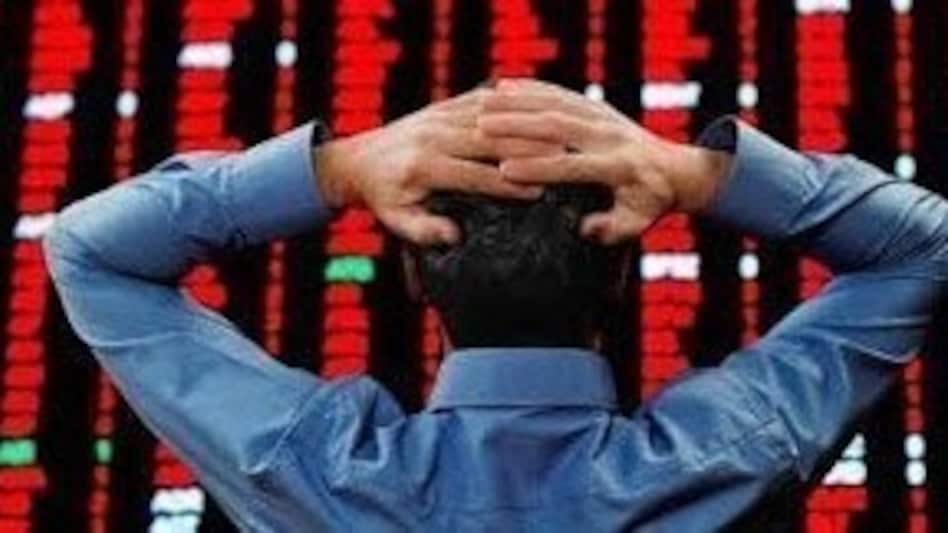
 The survey noted that financial markets are typically the first to register and absorb the impact of an uncertainty shock.
The Economic Survey 2026, tabled on Thursday, which described 2025 as a year marked by heightened uncertainty, said the impact of uncertainty on financial markets is not limited to higher volatility and risk premia. Citing research, the survey said prolonged periods of uncertainty could affect the financial sector through at least three key channels.
First, the survey said financial market participants tend to defer decisions in the presence of uncertainty, adding that a rise in uncertainty triggered a “wait-and-see” sentiment that delayed investments.

 Eyeing foreign shores? Adani Ports considers controlling stake in UK’s Associated British Ports
 Why market is rising today: Sensex surges 800 pts, Nifty tops 24,200 despite spike in oil prices
 N Chandrasekaran's ₹685 crore pay in 5 years: The figure that stands out in Tata Sons' latest annual report
 Commerce through international waterways must be restored: India condemns attacks on vessels in Hormuz at UNSC
 Jay Clayton confirmed as US intelligence chief after delayed process and election concerns
 7.1 Quake Shakes Southern Japan: Roads Split, Buildings Burn, Hundreds Of Thousands Evacuated
 How Mohammad Irfan Went From Street Hawker To India's Most Viral Protest Voice
 Congress Vs BJP Clash In Lok Sabha Over Anti-Paper Leak Bill 2026 As Opposition Questions Police
 "Justice Delayed Is Justice Denied": Bansuri Swaraj Hails Anti-Paper Leak Bill Strict Penalties
 CM Rekha Gupta Approves ‘Delhi Lakshmi Yojana’; Women To Get ₹2,500 Monthly Financial Assistance
 Tata Capital Q1 effect: NBFC stock nears record high, brokerages share price targets Why market is rising today: Sensex surges 800 pts, Nifty tops 24,200 despite spike in oil prices
 Ardee Industries IPO opens on August 5; check price band, lot size & other key details
 Manipal Health IPO opens today: Should you apply or avoid? Check reviews, ratings & GMP
 SK Hynix: South Korean chipmaker posts record Q2 performance but shares crash 11%; here's why
  Apple’s new upgrade plan lets you lease iPhone, Mac, and iPads; Flexible monthly payments starts at...Tata Capital Q1 effect: NBFC stock nears record high, brokerages share price targets N Chandrasekaran's ₹685 crore pay in 5 years: The figure that stands out in Tata Sons' latest annual reportEyeing foreign shores? Adani Ports considers controlling stake in UK’s Associated British PortsWhy market is rising today: Sensex surges 800 pts, Nifty tops 24,200 despite spike in oil prices










