














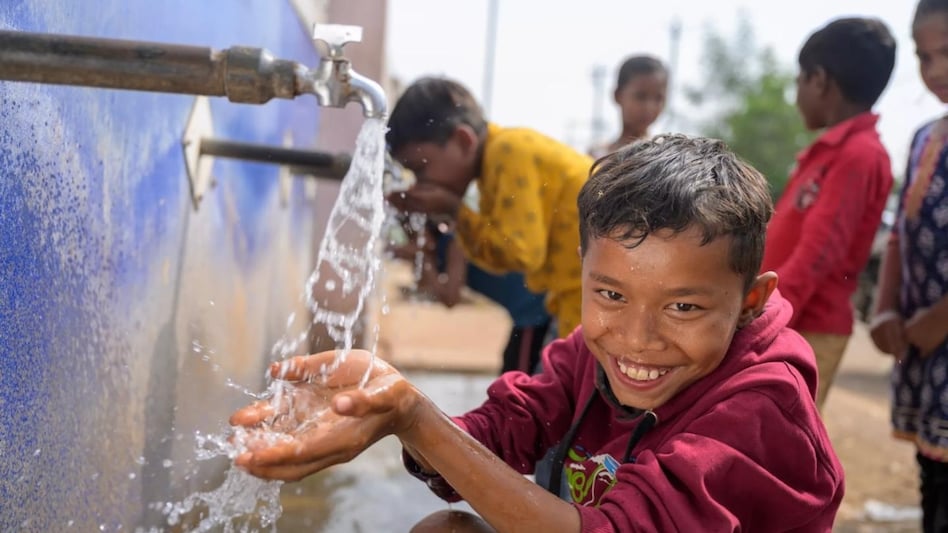
 Union Budget 2026: Launched in 2019, JJM aims to provide tap water connections to 19 crore rural households, ensure 55 litres per capita per day, improve water quality and sustainability, and promote community participation.
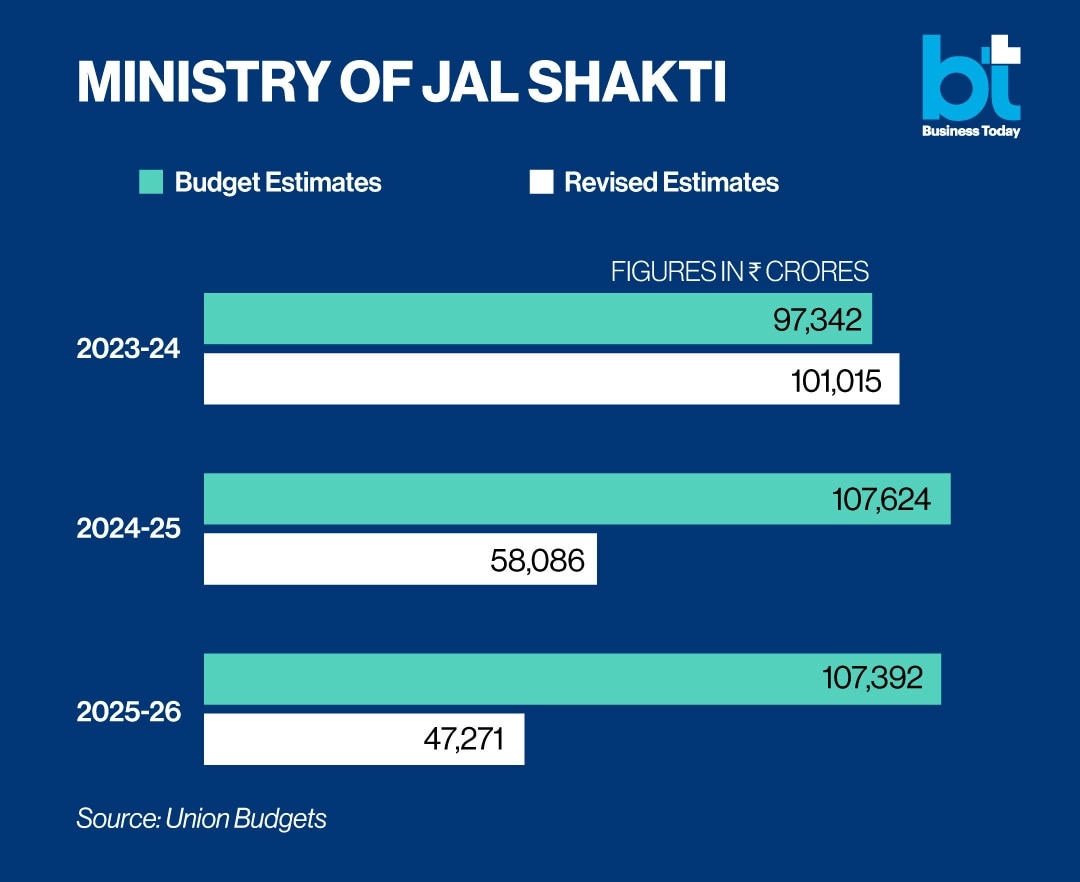
 The Ministry of Jal Shakti has recorded the steepest gap between budgeted spending and revised estimates among all union ministries, raising concerns regarding execution of India’s largest rural drinking water programme — Jal Jeevan Mission (JJM).
By the numbers
 RBI changes bulk FD rules from October 1: What depositors and banks need to know
 Historic! Home loans in India are now cheaper than the US -- What NRIs must know
 India-US trade deal '90-per cent-plus there,' says senior US official ahead of key visits
 AI out of control: US govt websites hit as OpenAI bots bypass security controls
 Trump rejects Iran’s 7-day truce proposal, signals post-midterm strike timeline: Report
 How Is Alexa+ Different? Will It have Ads Even If You Pay? Exclusive Chat
 Demand Robust Across Segments | Production To Ramp Up, Exports To Expand: Vivek Srivatsa
 GST Council To Meet On October 7: Invoice Matching, ITC & UPI MDR Tax In Focus
 Tata Chip Plans Stay On Track Despite Boardroom Rift; Dholera Fab Investment Unaffected
 GLP-1 Drugs Face Eye Safety Concerns: Will Fresh Scrutiny Impact India's Growing Market?
 IPO rush: Four IPOs conclude today; check subscription status, other details of issues still open
 Meesho shares slip 7% as Nomura assigns 'reduce' call; here's what the brokerage says
  Sensex, Nifty extend losing streak to seventh week, longest since 2020: What's next?
 Suzlon in bear grip: Oversold signals emerge near 52-week low for the stock
  EIL shares jump 7% to hit record high; stock up nearly 62% in six months: What's driving the rise?
 'Each of us has a wild card in life': Vedanta Group's Anil Agarwal shares life lessons from a game of UNO
 Odisha clears SentraForge AI's massive ₹22,634 crore sovereign compute projectAI out of control: US govt websites hit as OpenAI bots bypass security controls
 Will Prashant Kishor's Jan Suraaj Party enter Delhi after Bankipur bypoll win? Here's what we know
 Gold, silver prices on September 26: Check latest rates in Delhi, Mumbai, Kolkata, other cities


