

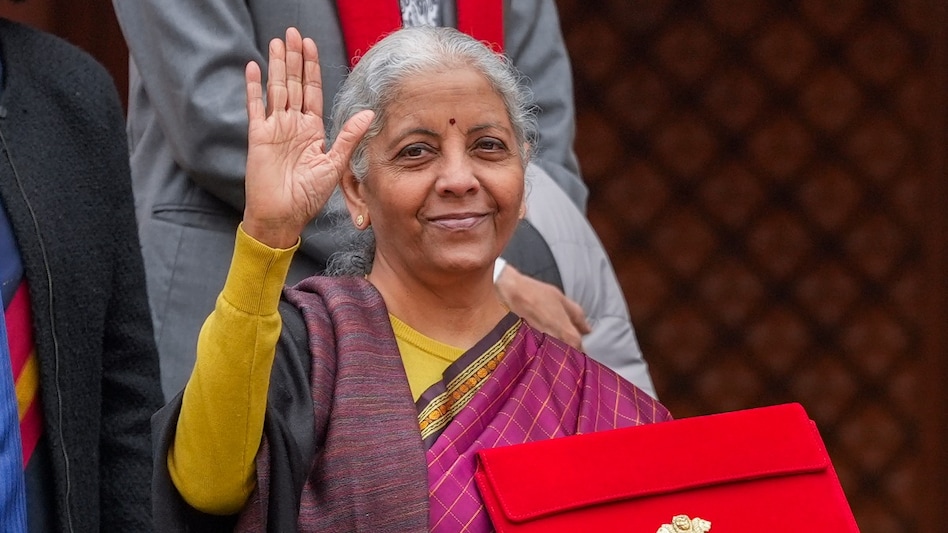
 The global business environment is increasingly defined by tariff tussles and strategic trade measures.
Union Budget 2026 | The landscape of global trade and tariffs is undergoing rapid shifts, and India’s Union Budget 2026 arrives at a pivotal moment. Global trade wars and new trade facilitation agreements are redrawing market access, while domestic policies on taxes and trade barriers are being rethought.
This Budget is marked as one of the most forward-looking reform phases in India's trade and customs ecosystem. The measures announced reflect a decisive shift toward a trust-based, technology-enabled, and globally aligned customs framework, aimed at reducing operational friction, improving transparency, and strengthening India’s ambition to lead global trade.
 ‘An Indian consumes 1/10th of an average American’: Amb Kwatra says energy security comes first
 Tata stock to buy: Nuvama bets on unique tech-telecom play, sees 28% upside
  IndiGo shares in focus as baggage, infant fee, priority boarding charges likely raised
 El Nino impact? India headed for driest monsoon since 2009, food inflation fears rise: Report
 LPG, CNG, PNG prices today (September 18): Check latest rates in Delhi, Mumbai, Kolkata, other cities
 Corporate Health Insurance Vs Retail Policy: Why You Need Personal Health Cover Too
 How India Changed In 12 Years: PM Modi’s Journey From Economic Reforms To Viksit Bharat
 Modi @76: From Twitter To Instagram, How His Digital Outreach Has Evolved
 Stock Picks To Watch: Shibani Kurian Reveals Kotak AMC’s Market Bets
 Gold ETF vs Physical Gold: Know the Tax Rules, Charges and Key Differences
 OnEMI Technology shares in focus as board clears fund raising via preferential route
  Adani Power, Adani Green, Adani Ports, Adani Energy: Jefferies shares target prices
 Kotak Bank, Auro Pharma, GE Vernova T&D: Top stocks to trade — Key levels, target price & stop loss
 NSE IPO attracts nearly 12 lakh applications on Day 1 of bidding; key details
 Adani Green Energy: Jefferies expects 69% upside amid short-term correctionOnEMI Technology shares in focus as board clears fund raising via preferential route Adani Power, Adani Green, Adani Ports, Adani Energy: Jefferies shares target pricesKotak Bank, Auro Pharma, GE Vernova T&D: Top stocks to trade — Key levels, target price & stop lossNSE IPO attracts nearly 12 lakh applications on Day 1 of bidding; key detailsAdani Green Energy: Jefferies expects 69% upside amid short-term correction












