


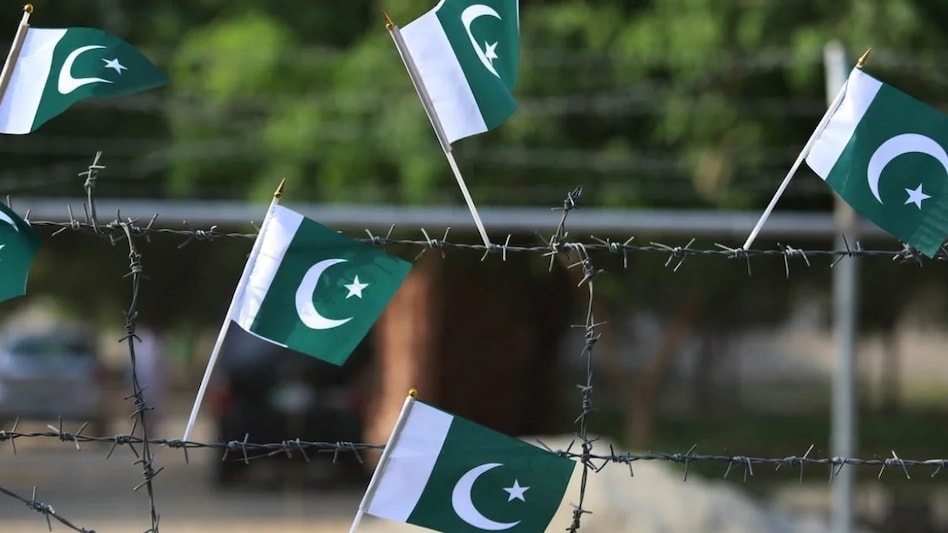
 Official State Bank of Pakistan data shows total foreign exchange reserves of $21.25 billion as of January 15, 2026 — a reminder of the tight constraints for an import-dependent country.
The World Economic Forum (WEF) Annual Meeting 2026 opens in Davos on January 19, drawing roughly 3,000 participants from 130 countries.
This year’s marquee draw is US President Donald Trump, expected to lead what the US media has called the largest-ever US delegation to the Swiss resort. The WEF line-up also features the technology sector’s biggest names, including Nvidia CEO Jensen Huang and Microsoft Chief Satya Nadella.

 NSE IPO: India's largest exchange draws 15% subscription in first hour; details here
 'Energy security a priority': India on US' Russia sanctions bill, says issue discussed at high levels
 NSE IPO kicks off: IFCI, NIACL, SBI, GIC RE, BOB shares gain up to 8%; here's why
 US tariff clouds loom again: India awaiting more clarity on Russia sanctions bill
 From rogue uploads to hallucinated data: OpenAI discloses 6 model failures
 NSE IPO Decoded | Valuation, Growth, Risks & What Investors Need To Know
 FCNR Deposits Bring $136 Billion: Will Bank Credit Growth Rise Beyond 18%?
 “Onion Prices Down 9% In 9 Days”: Nidhi Khare On Availability And ₹35/Kg Retail Sales
 Indian Markets At A Crucial Juncture: Nifty, Crude, Fed & Smallcaps | Jaipuria
 Nifty At 23,200: Crude Oil, U.S. Fed Rate Hike Fears & Market Outlook Explained
 Paras Defence, Apollo Micro, BEML, BEL, GRSE: Defence stocks rise up to 5% today; here's whyNSE IPO: India's largest exchange draws 15% subscription in first hour; details here
 RIL-backed stock hits fresh 52-week low; shares plunge nearly 56% YTD
 TCS, Infosys, Tech Mahindra, HCL Tech: IT shares top losers amid market rally today, here's why NSE IPO kicks off: IFCI, NIACL, SBI, GIC RE, BOB shares gain up to 8%; here's whyNSE IPO Decoded | Valuation, Growth, Risks & What Investors Need To KnowParas Defence, Apollo Micro, BEML, BEL, GRSE: Defence stocks rise up to 5% today; here's whyNSE IPO: India's largest exchange draws 15% subscription in first hour; details here'Energy security a priority': India on US' Russia sanctions bill, says issue discussed at high levelsUS tariff clouds loom again: India awaiting more clarity on Russia sanctions bill












