


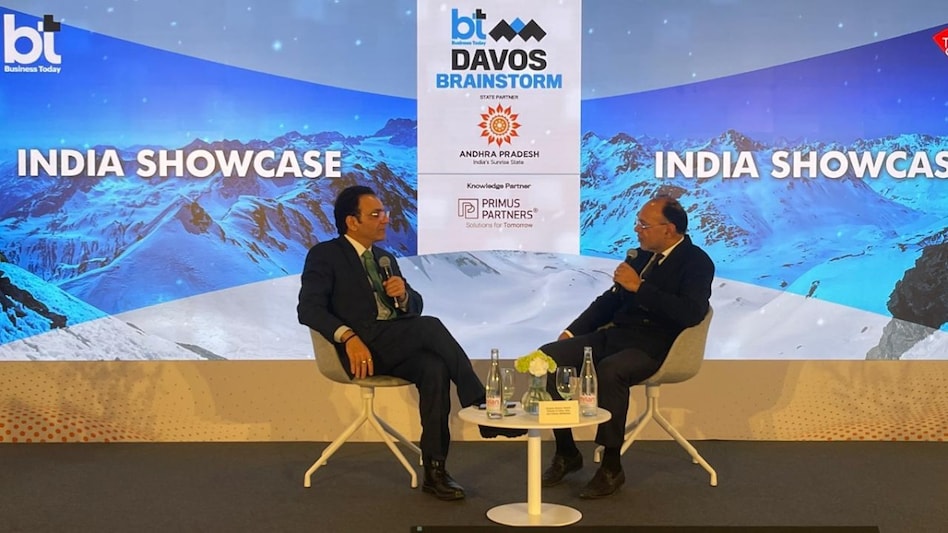
 Gautam Kumra, Senior Partner and Chair, Asia (ex-China), McKinsey, in an interaction with Siddharth Zarabi, Group Editor, Business Today.
The US and India are set to play pivotal roles in the emerging global economic order, and deeper collaboration between the two countries is essential, Gautam Kumra, Senior Partner and Chair, Asia (ex-China) at McKinsey, said, even as he cautioned against viewing any single trade deal as a panacea.
Kumra said that while expectations around a potential US–India trade agreement remain high, predicting its timing or final shape is difficult. “Fundamentally, I believe that the US and India are two very important players in the new era. There certainly need to be more collaboration opportunities, and I hope the deal does happen,” he said. However, he added that trade agreements have become increasingly fragile, with policy reversals, tariffs and new restrictions often emerging even after deals are signed.

 'RBI letter does not mention listing': Noel Tata seeks full briefing on Tata Sons-RBI talks
 Tata Trusts asks Tata Sons to explore options other than listing, says ‘Tata Model has to be saved’
 Tata Trusts proposes ₹25,000 crore plan for SP Group, says Tata Sons listing is not an option
 Chandrasekaran had assured all necessary steps were being taken to remain private: Noel Tata
 'We cannot put the cart before...': Noel Tata's argument against N Chandrasekaran's reappointment
 How India Changed In 12 Years: PM Modi’s Journey From Economic Reforms To Viksit Bharat
 Modi @76: From Twitter To Instagram, How His Digital Outreach Has Evolved
 Stock Picks To Watch: Shibani Kurian Reveals Kotak AMC’s Market Bets
 Gold ETF vs Physical Gold: Know the Tax Rules, Charges and Key Differences
  PPF vs NPS: Tax Benefits, Returns and Lock-in Period Explained for Retirement Planning
 Hero Motors IPO subscribed 3.37 times on Day 2; retail portion subscribed over 5 times
 NSE IPO: India's largest exchange gets 43% subscription on Day 1; NIIs, retail see strong demand
 Rentomojo shares settle maiden trade nearly 32% above IPO price; what should investors do now?
 Sensex slips, Nifty settles higher; Tata stocks gain after N Chandrasekaran reappointment
 Cochin Shipyard, KRBL, RITES, Ramky Infrastructure among stocks to turn ex-dividend on September 18
 NMDC's Panna mine unearths 27.29-carat diamond, second-largest discovery so far
 Flexicap funds: 90.6% large caps vs 55.2% small caps — 10 biggest portfolio differences
 Who is Sethuraman Panchanathan? Chennai-born scientist honoured with NAE’s prestigious Bueche Award
 Vijay’s UK visit brings ₹15,300 crore investment commitments to Tamil Nadu, over 10,000 jobs
 From seafood waste to reef recovery: How 500,000 tons of oyster shells helped restore the Gulf












