












 China hikes petrol, diesel prices for second time in fortnight amid West Asia conflict (Reuters)
 China hikes petrol, diesel prices for second time in fortnight amid West Asia conflict (Reuters)
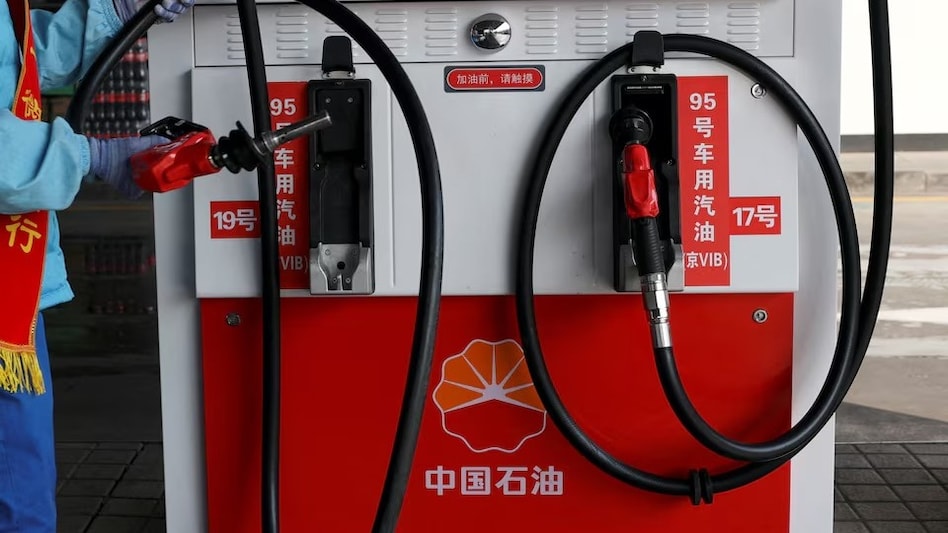
China announced on Tuesday that it will raise petrol and diesel prices for the second time in just over two weeks, citing the impact of rising international oil prices driven by the ongoing war in West Asia.
Must Read: US-Iran war: As Trump's deadline approaches, Kharg Island targeted amid ongoing talks
The price hike, set to take effect from Wednesday, comes after significant fluctuations in global crude oil prices following the escalation of the US-Israel-Iran conflict and the blockade of the Strait of Hormuz.
The National Development and Reform Commission (NDRC), China's top economic planner, confirmed the increase, which will see petrol prices rise by 420 yuan (USD 61) per tonne, while diesel prices will climb by 400 yuan (USD 58) per tonne. This follows a similar price hike on March 23, aimed at preparing for potential fuel shortages amid concerns about the war’s impact on oil supply routes.
Must read: Trump's hidden win in Iran war? How US could gain in semiconductors race
"The prices of gasoline (petrol) and diesel will increase as a result of the recent fluctuations in international oil prices," the NDRC said in a statement. "We have taken this step to stabilize the market and ensure the continued availability of supplies."
To manage supply disruptions, China’s three largest oil companies - China National Petroleum Corporation, China Petrochemical Corporation, and China National Offshore Oil Corporation - along with other refineries, have been instructed to maintain production levels and facilitate transportation of oil to stabilize supplies, according to the NDRC.
The NDRC also urged authorities to intensify efforts to crack down on activities that violate national pricing policies. "Relevant authorities should implement strict measures to ensure market order," the NDRC statement said.
While the price hikes are aimed at addressing short-term supply concerns, analysts note that China’s energy consumption and power generation mix suggest the country is less vulnerable to disruptions in energy supplies from the Strait of Hormuz.
Approximately 70% of China’s crude oil is imported, with 45% of those imports passing through the Strait of Hormuz.
Despite these concerns, China's diversified energy imports, including gas pipelines from Russia and long-term energy contracts with Moscow, offer some protection against supply shocks. China reportedly holds about four months' worth of emergency oil reserves to mitigate the impact of global disruptions.
Iran has restricted Hormuz, rupturing the energy supply to key Asian countries, including India and China.
 Nifty at 27,000? Why extreme pessimism could signal a long-term buying opportunity
 10,000-plus flights cancelled by Indian carriers to West Asia since war began
 Tata Steel, JSW Steel: Why Jefferies sees buying opportunity in these metal stocks
 US-Iran war: As Trump's deadline approaches, Kharg Island targeted amid ongoing talks
 Indian airlines’ tryst with foreign CEOs
 Air India Revises Fares, Fuel Surcharge Hike To Make Travel Costlier
 Delhi Assembly Breach Sparks Panic As SUV Storms VIP Gate, Security Lapse Under Scanner
 Viksit Bharat Goal Needs Stronger State Finances: Nirmala Sitharaman
 Daily Calls LIVE: Ask Your STOCK MARKET TODAY QUERIES | Market Update LIVE | Share Market News Today
 Assam Poll War Turns Ugly As Sarma, Congress Trade Explosive Charges Over Family Links
 Upcoming bonus share: Check ratio, record date and key stock details
 Sensex, Nifty outlook for tomorrow: Market bull holds edge; levels to watch on WednesdayTata Steel, JSW Steel: Why Jefferies sees buying opportunity in these metal stocks
 Mazagon Dock shareholders in a fix as multibagger stock loses fizz in a year; price targets and moreNifty at 27,000? Why extreme pessimism could signal a long-term buying opportunity