


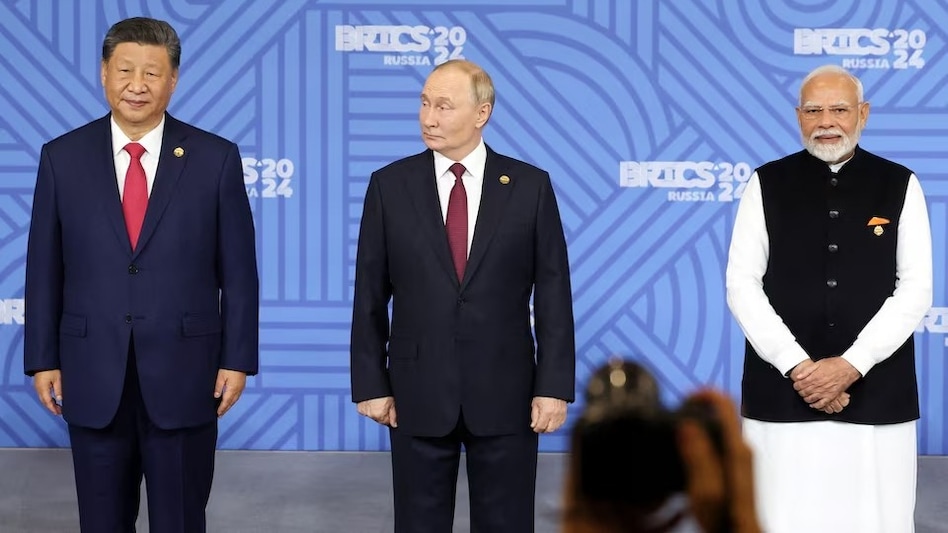
 China pushes RIC revival with India, Russia
China on Thursday expressed its willingness to advance trilateral cooperation with India and Russia, calling the dormant Russia-India-China (RIC) format beneficial for all parties and for global stability.
"China-Russia-India cooperation benefits all three countries, and regional and global peace, security, stability and progress. China stands ready to maintain communication with Russia and India on advancing the trilateral cooperation,” China's foreign ministry spokesperson said.

 India sees strongest business jet fleet growth in Asia-Pacific, Honeywell report
 SDTT had submitted response to charity commissioner over Venu Srinivasan, Vijay Singh’s complaints: Report
 HFCL shares: Why this multibagger stock gets 53% upside target despite 290% jump in 2026
 ‘It’s crazy that even in 2026…’: Nithin Kamath in disbelief over WhatsApp-driven stock manipulation
 Jio IPO: Overseas expansion to unlock new revenue streams through telecom technology
 Starlink Vs India: Is Elon Musk Being Blocked? | Tech Today
 RBI Measures Boost Rupee | Is Further Depreciation Unlikely?
 More RBI Rate Hikes Ahead? PPFAS Mutual Fund CIO Shares His Outlook
 Retirement Planning: How a ₹10,000 Monthly SIP Can Grow to ₹1 Crore in 20 Years
 Volkswagen On CNG Cars, JSW Partnership And India's Auto Market Outlook
 Sona BLW, Solar Industries, Oracle, Aurobindo Pharma, CG Power: Midcap performers of 2026, price targets and more
  Jio Platforms IPO: From 14th spot to telecom leader, how Jio transformed India’s digital landscape
 Tonbo vs Bonfiglioli vs Zetwerk vs Sahajanand IPO: Which issue offers best allotment odds; fresh GMP ‘It’s crazy that even in 2026…’: Nithin Kamath in disbelief over WhatsApp-driven stock manipulationJio IPO: Overseas expansion to unlock new revenue streams through telecom technologySona BLW, Solar Industries, Oracle, Aurobindo Pharma, CG Power: Midcap performers of 2026, price targets and more
  'There won't be money anymore': Yuval Noah Harari backs Elon Musk's prediction, warns of AI takeoverJio Platforms IPO: From 14th spot to telecom leader, how Jio transformed India’s digital landscape
 Sennheiser Momentum True Wireless 5 Review: Premium sound meets long-term sustainabilityTonbo vs Bonfiglioli vs Zetwerk vs Sahajanand IPO: Which issue offers best allotment odds; fresh GMP












