


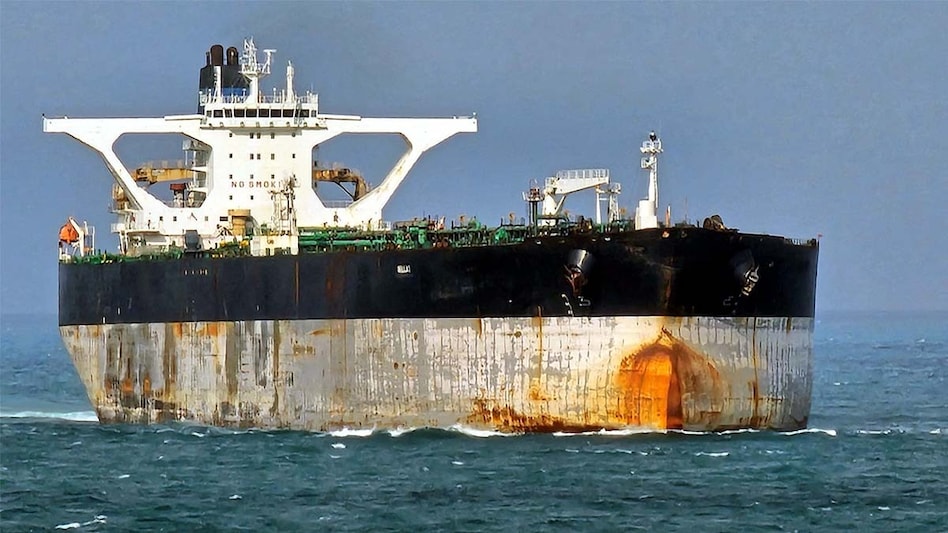
 Moscow strongly criticised the US action, calling on Washington to adhere to established norms governing navigation on the high seas.
 Three Indian nationals are among the crew of the Russian-flagged oil tanker Marinera, which was seized by the United States in the North Atlantic on January 6, according to local media reports. The seizure has triggered sharp diplomatic exchanges between Washington and Moscow, with Russia accusing the US of violating international maritime law and engaging in what it termed “neo-colonialist” behaviour.
According to Russia Today, the Marinera’s multinational crew comprises 17 Ukrainians, six Georgians, three Indians and two Russians. There was no immediate word on the condition of the crew or their next course of action following the interception.
 Indian stock market impact: What rising September Fed rate hike bets mean
 Inside IndiGo’s FY26 hiring gap: Airline added 18,000 more flights but just 330 new pilots
 N Chandrasekaran’s reappointment: Tata board believes veteran’s association would benefit the company immensely
  Meta explains PM Modi Facebook post removal incident; Outlines safeguards for VIP accounts
 Brief pause ends: US hits Iran again after ballistic missile attack on American troops in Jordan
 Top Sectors For FY27 Growth: Why IT, Banks, Defense And Power Could OutI.T. Set For Re-Rating? Why FY27 Could Be A Turning Point | Banks, Defence In Focusperform
 FIIs Turning Positive On India After Massive Sell-Off? Ajay Bagga Explains The Flow Shift
 How To Build The Perfect Mutual Fund Portfolio | Active Vs Passive Strategy Explained
 Why Ajay Bagga Is Bullish On EMS Stocks | PLI, Semiconductors & India's Growth Story
 Why Term Insurance Is Better For Family Protection Than Traditional Life Insurance
 Thangamayil Jewellery shares dive 19% in two days; here is why
 Varun Beverages: CALPIS launch, Africa expansion and new products could boost growthIndian stock market impact: What rising September Fed rate hike bets mean
 Infosys, Wipro, Tata Tech, Mphasis shares gain after Cognizant's Q2 results: Key takeaways
 Indo-MIM jumps 45% on D-st debut; Lohia Corp, Xtranet Technologies post mixed listingsInside IndiGo’s FY26 hiring gap: Airline added 18,000 more flights but just 330 new pilotsN Chandrasekaran’s reappointment: Tata board believes veteran’s association would benefit the company immensely Thangamayil Jewellery shares dive 19% in two days; here is why
 Google Pay introduces AI-powered 'Ask Google Pay'; Track spending, understand SIPs and access more creditVarun Beverages: CALPIS launch, Africa expansion and new products could boost growth










