


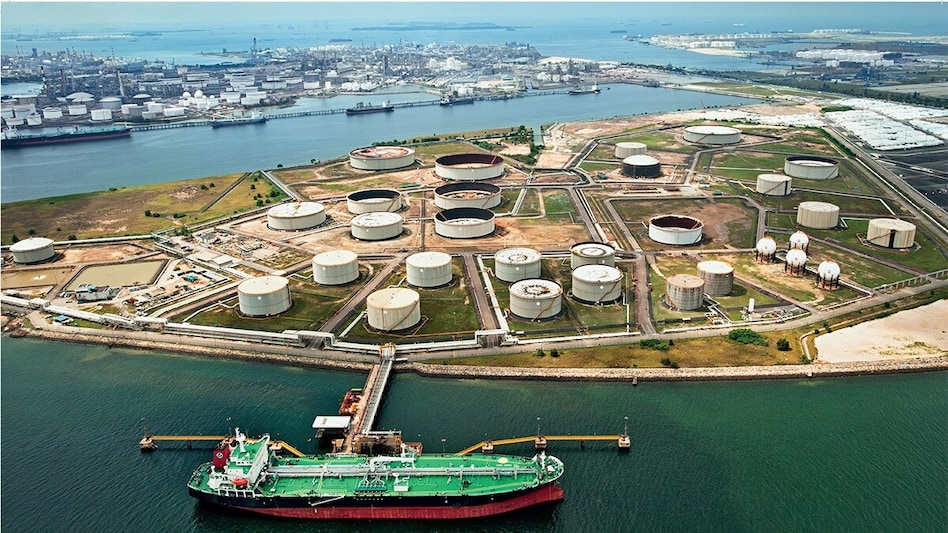
 The US has been looking to keep energy prices in check ever since Iran imposed curbs on tankers transiting through the Strait of Hormuz.
 The US government has eased sanctions on Iranian oil stranded on tankers at sea until April 19. This temporary move aims to ease rising oil prices amid global supply concerns.
The sanction relief applies to Iranian oil loaded on ships as of the previous Friday. The Trump administration issued a one-month licence to allow these shipments to proceed without penalty.

 'Giving Zee free service, they don't pay me salary': Subhash Chandra says he doesn't own any assets
 Adani Group shares: Rs 1.4 lakh crore wiped out as MSCI rebalancing triggers sharp volatility
 Who is John Ternus? Meet the new Apple CEO taking over from Tim Cook
 3 listings today: Symbiotec, Skyways Air Services and Hy-Tech engineers disappoint on D-St debut
 ‘I will miss this work in ways I can only begin to imagine’: Tim Cook’s emotional farewell note as Apple CEO
 Indian Markets Outlook: Is Bear Phase Ending? Maneesh Dangi Sees Better Next 6-12 Months
 This ₹5 Lakh AI Gym Wants To Replace Your Gym
 Nepal Flood Horror: Sadhguru, Manisha Koirala Stand In Solidarity As Rescue Efforts Continue
 Nepal Flood Horror: Children Found Alive After Days Under Debris, Hope Emerges From Devastation
 India’s 6% Growth Trap: Why Manufacturing Still Struggles To Beat China
 Adani Power share price target: 30% upside likely on healthy portfolio, execution, says JM
 Happiest Minds shares tank 9% on swap ratio, ITC up 5%; ITC Infotech to list after merger
 KPI Green Energy gets LOI for wind-solar hybrid project in Gujarat; details here3 listings today: Symbiotec, Skyways Air Services and Hy-Tech engineers disappoint on D-St debut
 HFCL bags Rs 2,329 crore contract; multibagger stock slips
 Subhash Chandra debt: NCLT stays previous order against media baron, issues notices to him and lenders in ₹6.5 crore repayment case
 PhonePe brings internet-free UPI payments to feature phones, expanding digital access across IndiaAdani Power share price target: 30% upside likely on healthy portfolio, execution, says JMHappiest Minds shares tank 9% on swap ratio, ITC up 5%; ITC Infotech to list after merger
 As John Ternus takes over, Phil Schiller steps down from leading App Store and events












