












 Apple completes 50 years
On April 1, 2026, Apple Inc. completes five decades, marking an inspiring journey that started from a garage in Los Altos, California, to becoming one of the most influential tech companies in the world. Starting from the Apple I to entering the world of Artificial Intelligence (AI), the company has come a long way.
It began with Steve Jobs, Steve Wozniak, and Ronald Wayne, who founded Apple Computer Company to build computers for personal use. Now, 50 years down the line, the company is known as Apple Inc., and the legacy is continued by Chief Executive Tim Cook, who transformed the company into what it is now.
“We’ve spent five decades rethinking what’s possible and putting powerful tools into people’s hands. Through every breakthrough, one idea has guided us — that the world is moved forward by people who think differently,” said Cook, in a letter shared to mark the anniversary.
From products, pivots to embracing the AI era, here's how Apple completed five decades shaping the future of consumer technology and bringing products that every individual aspires to own.
The 1970s: The beginning of Apple
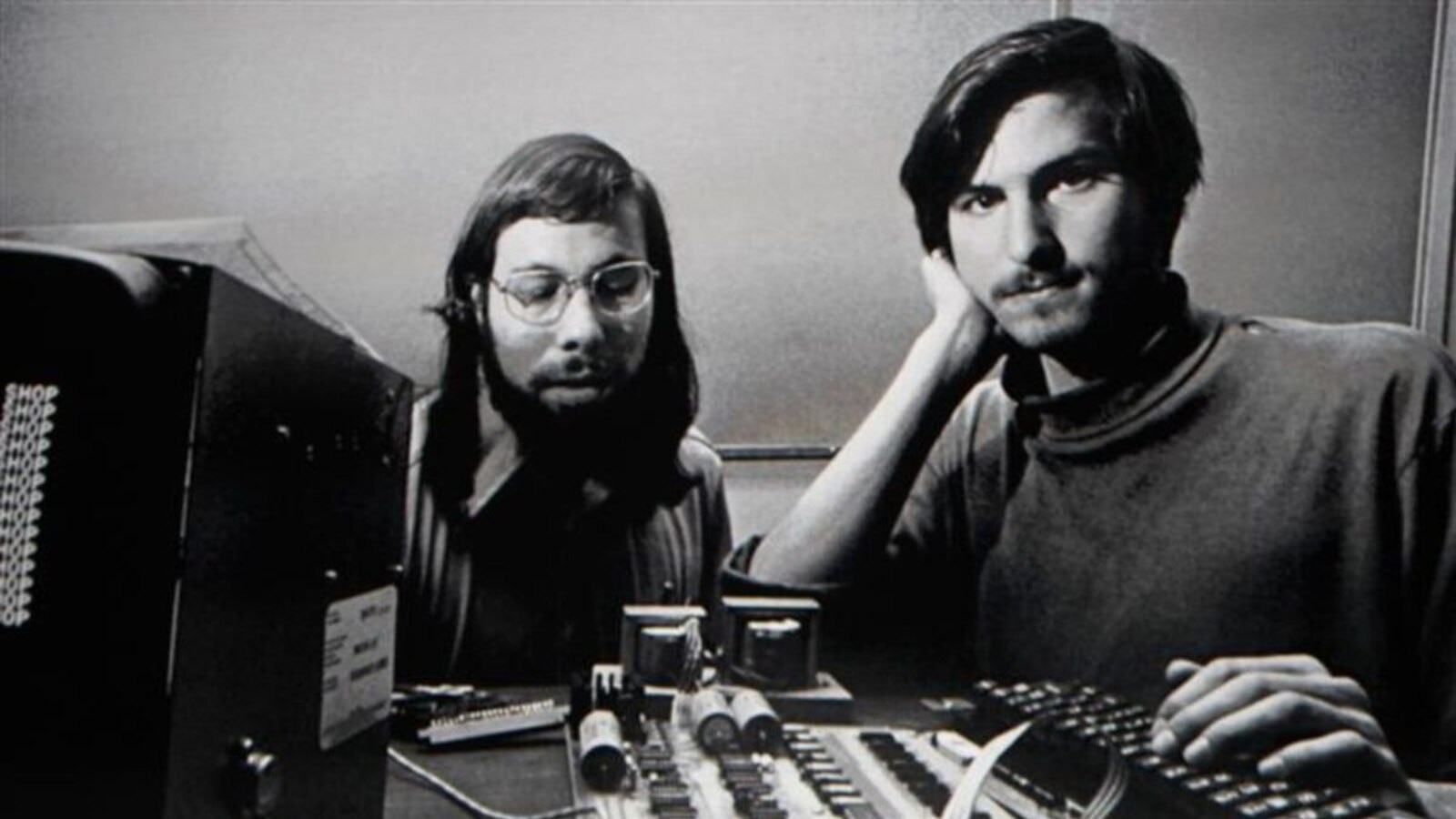
Apple Chief Executive Officer Steve Jobs and co-founder Steve Wozniak hand‑assembled the circuit board called the Apple I, a minimal personal computer. However, the device did not consist of any monitor, keyboards, or outer casing, yet it attracted many buyers.
In just a year, Apple launched Apple II, which was a consumer-ready device consisting of a colour display and keyboard. The device helped the company earn millions, and soon made Jobs and Wozniak the elite technology entrepreneurs.
The 1980s: Macintosh era
In 1984, Apple launched the Macintosh, which reimagined the personal computer, bringing a user-friendly interface, mouse-based navigation, icons and app windows. However, in 1985, Steve Jobs was forced out of Apple due to internal conflicts.
The 1990s: Return of Steve Jobs, beginning of iMac
This was one of the toughest decades for Apple as the company went through financial challenges and executive-level changes. However, in 1997, Steve Jobs returned to Apple after the company acquired NeXT. This marked a turning point for Apple.
The following year, Jobs made several changes, bringing design, software, and user experience into focus.
In 1998, Apple launched its first iMac, known as the iMac G3, with a translucent design and colourful options.
The 2000s: iPod, iTunes, and the iPhone
The Y2K era was Apple’s best years in terms of new products, innovations, and market expansion. In 2001, the company launched the iPod, its first MP3 player to pack 1,000 songs, and it was paired with iTunes.
Later in 2007, the company launched its revolutionary smartphone, the iPhone. This phone brought touch controls and internet communications at fingertips.
During the launch, Jobs said, “An iPod, a phone... are you getting it? These are not three separate devices; this is one device, and we are calling it iPhone.”
In just a year, the App Store was launched, creating a new global economy of software development. And in 2008, Apple launched MacBook Air.
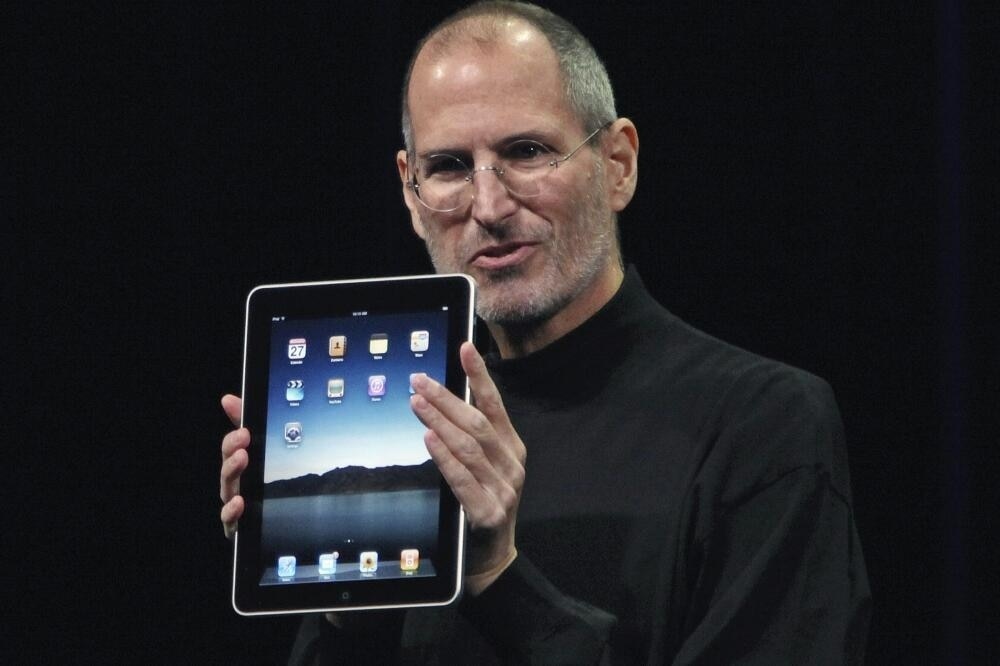
The decade came to an end with the launch iPad.
The 2010s: Tim Cook's reign started, Apple Watch, and more
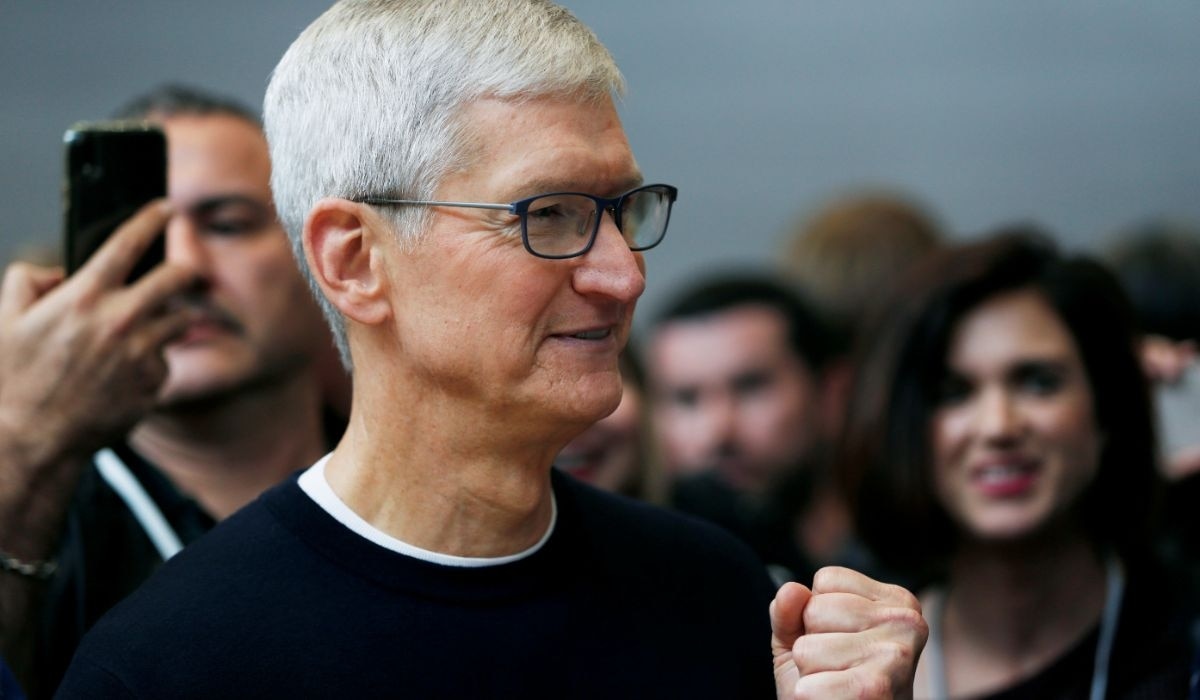
In 2011, Steve Jobs passed after a long battle with pancreatic cancer. With the departure, Tim Cook, who was Apple’s COO, was promoted to the role of CEO. Under his supervision, Apple became the first trillion-dollar company in August 2018.
From 2015 to 2020, Apple launched personal products such as the Apple Watch and AirPods. In addition, it also announced services such as Apple Music, Apple TV+, Apple Arcade, iCloud, and Apple Pay. During the decade, Apple transformed from a hardware company to providing a secure ecosystem spanning devices, software, and services.
The decade ended with Apple Silicon being introduced with the M1 chip. This was the time when the company shifted from Intel processors to its own silicon chips.
The 2020s: Dominated the premium segment, Vision Pro launch, and more
During the early 2020’s, Apple expanded its Silicon chips, and we recently witnessed the launch of its 5th-generation M-series chips for MacBooks. Now, the M5-powered Macs have set a new benchmark for competitors, offering advanced performance, efficiency, and now AI capabilities.
In 2024, Apple also entered the world of spatial computing with its Vision Pro headset, bringing the power of Augmented and mixed reality to users. The company also released Apple Intelligence, its suite of AI-powered features and capabilities, which has yet to showcase its true potential.
In 2025, Apple launched the iPhone 17 series, including its slimmest-ever iPhone Air. The company also reintroduced its budget mobile with e-series iPhones, with the latest being the iPhone 17e.
This year, Apple also entered a new price segment for Mac, with the introduction of MacBook Neo, priced at just Rs. 69,990.
As Apple turns 50, the company is only expanding with its offerings across products, services, and AI. The company is also expanding its retail footprint globally, especially in India. Apple is also expanding its manufacturing hub in India, positioning the country as a key hub in its global operations.
For Unparalleled coverage of India's Businesses and Economy – Subscribe to Business Today Magazine

 'Will discharge my responsibilities with complete humility': Pralhad Joshi after being appointed Education Minister
 'All Delhi metro stations open for passengers,' says DMRC after CJP calls off Jantar Mantar protests
 Who is Pralhad Joshi? Modi names veteran Karnataka BJP leader to lead Education Ministry after Pradhan's exit
 The 'Two-Income Trap': Why higher salaries aren't translating into wealth -- expert explains
 Corporate FDs offer up to 9.1% interest: Should you choose them over bank fixed deposits?
 FDs vs Markets: Where Should You Keep Your Short-Term Money?
 Why Term Insurance Is Essential for Every Earning Member | Sum Assured & Coverage Explained
 Pakistan's Alleged Terror-Politics Nexus: Lashkar Links Spark Questions Over Fazlur Rehman
 Think Life Insurance Is Optional? Here's Why Every Indian Family Needs It Today
 FD Vs Arbitrage Fund: Which Is Better For High Taxpayers?
 Adani Power: 45 GW target, Rs 2 lakh crore capex plan among conference call highlights
  ITC Hotels, Chalet, Ventive, IHCL, SAMHI: Hotel stocks to buy despite travel disruptions
 ITC shares: Rs 307 a key short-term level to watch; here's target price
 Mphasis shares: FY27 guidance maintained; brokerages keep 'Buy' after Q1; check target price
 Should you buy every IPO? Research suggests patience may be the smarter strategy
 Gold, silver prices today (July 26): Check latest rates in Delhi, Mumbai, Kolkata, other cities
 Large office spaces remain in demand as India's leasing touches 48 million sq ft in H1 2026, says report
 Petrol, diesel prices today, July 26: Check latest rates in Delhi, Mumbai, Chennai, Kolkata and other cities
 LPG, CNG, PNG prices today, July 26: Check latest rates in Delhi, Mumbai, Chandigarh, other cities'All Delhi metro stations open for passengers,' says DMRC after CJP calls off Jantar Mantar protests