









What's common between Vodafone, Cairn Energy and Nissan, apart from the fact that they are all foreign companies? The answer is that all three companies are among several others that have initiated international arbitration against India. In fact, according to a recent report by Herbert Smith Freehills, a leading international law firm, "The current number of bilateral investment treaties (BIT) claims against India is understood to be around 17". The pending cases range from issues related to retrospective taxation to payments disputes.
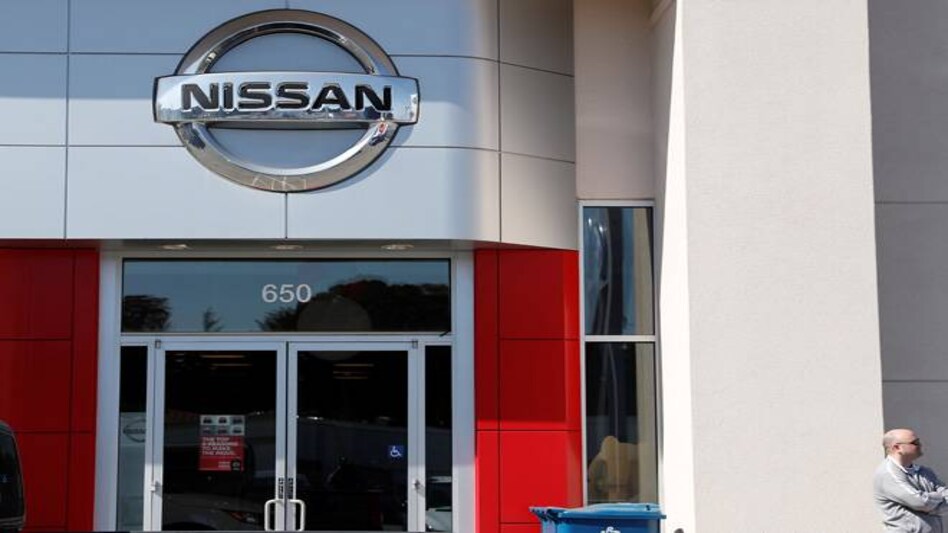
The latest news is that Japanese automaker Nissan Motor has begun international arbitration against the country seeking dues of more than $770 million, for alleged violations of its Comprehensive Economic Partnership Agreement with Japan, according to a Reuters report. In July last year, Nissan had sent a legal notice to Prime Minister Narendra Modi on this matter.
Back in 2008, when Nissan and its global alliance partner, French carmaker Renault, agreed to invest in setting up a car plant in Chennai, the state government promised several incentives including some tax refunds. Over the next seven years, the company invested Rs 61 billion to set up a plant with annual production capacity of 480,000 vehicles, which entitled them to receive the incentives in 2015, according to the legal notice. Nissan's lawyers also mentioned the state government's decision to not pay was "arbitrary", and Nissan has "incurred significant and increasing losses". Though the company did not specify the business impact in the 8-page notice, in 2008, it had said that the state incentives were critical to the project's viability and sustainability.
So the carmaker, in its notice, was claiming Rs2,900 crore in unpaid incentives and Rs 2,100 crore in damages, plus interest and other costs. It added that repeated requests to state officials for the payment, due in 2015, were overlooked and even a plea by the company's chairman, Carlos Ghosn, to Mr. Modi in March of last year seeking federal assistance did not yield any results.
According to the Reuters' source, who is familiar with the matter, the matter failed to progress towards resolution despite several follow up meetings between federal and state officials and Nissan executives. Hence, in August, Nissan gave India an ultimatum to appoint an arbitrator and the first arbitration hearing will reportedly be in mid-December.
A senior Tamil Nadu state official admitted to Reuters that there is "no discrepancy with regard to the amount due", and added that the government hoped to resolve the dispute without having to go to international arbitration. The Nissan spokesperson quoted in the report, however, chose not to elaborate on the matter, simply stating that the company was "committed to working with the government of India toward a resolution".
Meanwhile, earlier this month, Vodafone Plc announced that an international arbitration tribunal will begin trial on Vodafone's challenge to India using a retrospective legislation to seek Rs 22,100 crore in taxes in February 2018.
These disputes not only underline the various challenges that foreign companies face in India but could also undermine the Modi government's efforts to attract foreign investment.
 Can Byju Raveendran still shape Byju's insolvency outcome?
 India to launch E85 fuel on World Environment Day
 Petrol, EV or Flex-Fuel? Here's which car makes most sense for your road trips in 2026
 Tomatoes push up Thali costs in May by 7% -- will onions and potatoes be next?
 Can flex fuel cut your petrol bill? What the Brazil model shows us
 Citi Sees Massive Upside In Power Stocks! ₹9.7 Lakh Crore Opportunity Ahead
 Midcap Winners Ahead? Siddhartha Khemka Reveals Top Themes For FY27
 Govt's Big Move To Save The Rupee! Will Foreign Money Return To India?
 Q4 Earnings Surprise! BFSI, Metals Shine As FY28 Recovery Takes Shape | Siddhartha Khemka
 Reliance Down 17%: Is This the Best Time to Buy Before Jio Listing?
 'Is this the biggest stock market scam ever? Move over, Harshad Mehta ...' — asks Sanjay Jha
 Thangamayil Jewellery shares zoom 18% to hit record high; here's what investors should know
 CG Power, Hitachi Energy India, GE Vernova shares rise up to 4% today; here's why
  Bharat Forge sets record date for FY26 dividend payment; check details
 Did you know? Rajesh Exports was one of the awardees of Rs 18,100 cr PLI scheme in 2022