








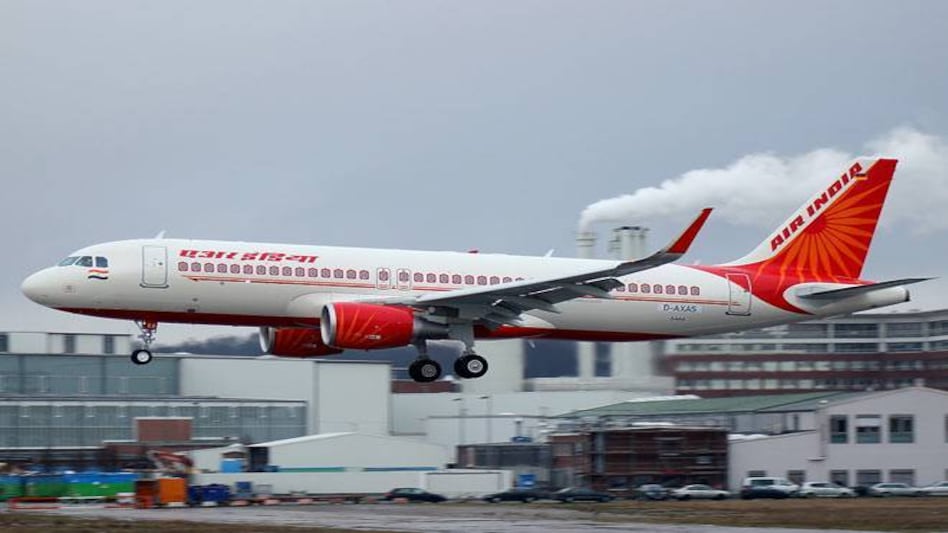
 The picture for representational purposeThe picture for representational purpose
The current buoyancy in the aviation sector is likely to hit a brick wall. There are a host of reasons to be blamed. Over the next few years, there are strong chances of passenger demand slowing down. Already, the growth has started to fall in 2017. The factors that can be attributed to the slow down are short-term and long-term. The short-term reasons, the ones that led to dip in the current year, include hike in airfares and unsustainable pace of growth. The long-term reasons are upward movement of aviation turbine fuel (ATF) prices, and the major airports in India reaching saturation points.
The big push from the government to promote regional connectivity is unlikely to halt this slide, and it is now believed that the domestic air passenger growth has peaked out. For instance, in 2017, the average passenger growth for 11 months stood at 17.27 per cent. In comparison, the corresponding numbers in 2015 and 2016 stood at 20.34 per cent and 23.18 per cent, respectively. The passenger traffic growth in September plummeted to 45-month low.
Ratings agency CRISIL projects the passenger growth decelerating by 800 basis points (or 8 percentage points) to 13-15 per cent annually over five years till 2022. CRISIL expects the average price of crude oil to be $50-$55 per barrel over the next five years that would jack up fares, and in turn, affect traffic growth. ATF accounts for 30-40 per cent of the total operating costs of the carriers.
"The bigger problem is the severe congestion at airports metastasizing into structural gridlocks. Mumbai and New Delhi airports (63 per cent of domestic passenger traffic either originate or terminate at these two airports) are edging towards capacity crunch during peak hours, which is amplifying the infrastructure constraints," says Prasad Koparkar, Senior Director, CRISIL Research. The capacity utilization at Bengaluru and Hyderabad airports has also crossed the threshold levels.
The 20 per cent-plus growth over the past two years was not sustainable. The aviation sector tends to grow at 2-3 times of a country's GDP growth. The passenger growth in 2016 was 3.26 times the GDP growth. Such a high growth momentum is difficult to sustain over a long period of time. Passenger yields of major carriers like IndiGo have also moved up in the recent quarters. For instance, market leader IndiGo's yield in the September quarter (Rs 3.57) was 8.9 per cent higher than the corresponding quarter last year. Passenger yield is the average fare paid by passengers per kilometer. A higher yield roughly translates into higher air fares.
A note by ICRA says that ATF prices remained higher during first half of the financial year 2017/18, the ability of the airlines to pass-on the same supported the profitability of the industry during the same period. The strong demand during the peak season is expected to support the industry profitability in the second half of 2017/18, however, the expected sizeable capacity addition over the next three years is likely to impact the ability of the airlines to withhold the gains. "The expected increase in competitive intensity might put downward pressure on yields," the note says. Starting 2017, the next few years are going to be tough for the aviation sector from the point of view of both air traffic growth and profitability.
 Inside the India-US interim trade agreement: Reciprocal tariffs on India to come down to 18%, 0% duty on generic pharma
 Q3 results: HAL, Titan, M&M, HUL, ONGC, Lenskart to post earnings next week; check dates
 India, US to boost trade in GPUs, advanced tech under interim pact framework
 India-US interim trade pact: From diamonds to silk — Full list of products under 18% tariffs
 India-US interim trade pact -- 'Farmers safe, country developed': Piyush Goyal says India's agri exports to go up
 RBI Says Trade Deals With EU, US & Others Strengthen India’s External Sector Outlook
 Jeffrey Sachs Praises Modi On India-US Trade Deal: “Trump Blinked, India Must Not Depend On U.S.”
 Agra’s ₹127 Cr Housing Project In Ruins: Flats For Poor Rot Before Occupation
 RBI Credit Policy LIVE Analysis | Aditya Pagaria Explains Rate Pause Impact
 TeamLease Q3 Results: Profit Jumps 47% As Margins Improve Despite Headcount Loss
 Q3 results: HAL, Titan, M&M, HUL, ONGC, Lenskart to post earnings next week; check dates
 'Think about it': Deepak Shenoy warns indices mask stress as majority of Nifty 500 stocks lag
 Bitcoin avoids $60,000 breakdown, still down over 50% from record high
  NSE IPO: NSE board approves long-delayed listing plans; IPO to have equity shares of face value Re 1
 Max Healthcare discontinues patented cancer drugs, writes to CGHS to review pricing