

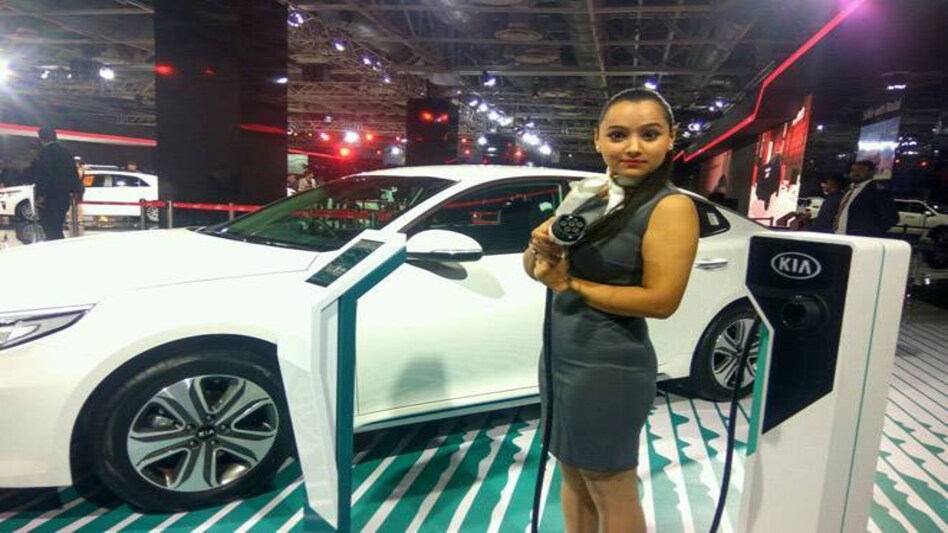
Almost 40 per cent of the car users in India want to pay less for an electric vehicle than they pay for a conventional petrol or diesel car, says a study done by business consulting firm Frost and Sullivan. Another 30 per cent are willing to pay just as much as a conventional car, while only 15 per cent would be willing to pay more, the study stated. At present, an electric version of a car is priced at least 25 per cent more than that of a similar petrol or diesel version.
Electric vehicles have captured the imagination of the global automobile industry. In India, the government has been pushing for a complete electrification as early as 2030. The findings of this study, however, indicate the transition will be far from easy. With the cost of ownership of a vehicle continuing to be the most important factor in the success of a vehicle, the reluctance to pay more for a new technology like electric cars would not be music to the ears of those in the industry.
 RBI MPC meet: Why your borrowing costs may go up from October
 PM Modi speaks to Trump amid India-US trade talks, reviews ties across trade, defence, energy
 'Pilot tried to crash the plane': Netanyahu shares dramatic details on Flydubai flight
 Small savings scheme interest rates unchanged for Q3 FY27: Check PPF, SCSS, SSY rates
 BT BIG STORY: Why your MBA fees keep getting more expensive
 MSP: ‘Cost Plus 50%’ Principle Fully Maintained, Says Ashwini Vaishnaw
 Economy In Right Hands, Business Environment Very Positive: Nirmal Minda
 Nara Lokesh Exclusive: Why Andhra Pradesh Is In A Hurry To Build Its Data Centre Ecosystem
 KLM Steps Up SAF Push On India-Europe Route
 LIVE What’s Hot: Stocks, Gold & Big Money Moves | Daily Markets Show | September 30 | Business Today
 GIFT City’s next big bet: Can direct listings finally kick-start its equity market?
 Sensex, Nifty fail to sustain recovery as intraday gains fade; what's next for D-Street?
 FPI onboarding in 5 days: Sebi, RBI push digital registration to attract foreign investors
 Jio Finance shares in a downtrend after key support breach, analyst on the NBFC stock's outlook
  Meesho stock faces consolidation after 100% rally; analyst on the breakout move
  Strait of Hormuz disruption puts India’s energy security in focus: What former diplomat said
 New RBI FD rules from Oct 1: Who will see changes and why most retail FD holders need not worryGIFT City’s next big bet: Can direct listings finally kick-start its equity market?
 Another iPhone 18 Pro issue emerges: Users report crackling and popping sounds for speaker
 Tier-2 cities drive India’s home interiors market as average spending hits ₹3.9 lakh












