


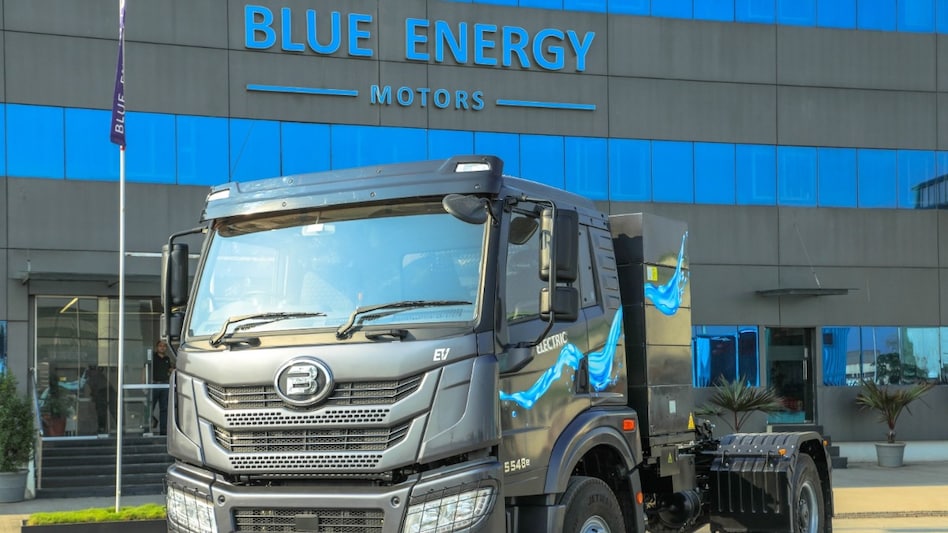
 Blue Energy Motors expects to sell 100 electric trucks by the end of March 2026.
The electrification of heavy-duty trucks remains a challenge in India, as the cost of acquiring an e-truck is three times that of a diesel-powered truck. Blue Energy Motors, which launched India's first electric truck with an energy-as-a-service offering, aims to disrupt this with a subscription model.
Backed by Essar, Italy's Iveco Group, and Nithin Kamath, the Pune-based automaker is attempting to crack the holy grail of electrification in one of the most challenging automotive segments: heavy-duty trucks.

 Nepal flash floods: Infosys subsidiary chief Lax Gopisetty not reachable. Read full company statement here
 West Asia conflict: Delhi CNG price to rise by ₹3.89 per kg; check latest CNG rates here
 The Tim Cook story: From Steve Jobs’ no. 2 to Apple CEO
 ITR-3 vs ITR-4: Which income tax return form should freelancers, traders and business owners use?
 After 2024 bleaching: Super El Niño likely to push coral reefs closer to the brink
 CMF Buds Neo Review | Tech Gear | Business Today
 Gen Z Is Changing Politics? D.K. Shivakumar On Youth Power & Rahul Gandhi’s Outreach
 Babita Singh Reporting, Part-Timers, Bandar & More: 5 OTT Releases To Watch This Weekend
 Using AI To Write? You Could Be Caught! Anthropic's Invisible Watermark Explained
 Shah Rukh, Salman & Madhuri-Backed Pernia’s Pop-Up Shop Parent Eyes ₹680 Cr IPO
 Jio Platforms IPO gets SEBI nod: Rs 27,500 crore debt repayment plan, $100 billion valuation in focus
 Closing Auction Session: Why the system expected to reduce volatility is still seeing occasional wild swings
 RIL-backed penny stock hits 52-week low; firm clarifies on high trading volume
 Happiest Minds shares slip despite IT stocks surge; here's what is weighing on the stock
 BEL, Solar Industries shares remain Nuvama's top defence picks; here's what it said on BDL, Data Patterns, HAL
 Petrol, diesel prices today, August 29: Check latest rates in Delhi, Mumbai, Chennai, Kolkata & more
 'Toxic' box office collection day 3: Despite drop in daily biz, Yash's film nears ₹200 crore in IndiaThe Tim Cook story: From Steve Jobs’ no. 2 to Apple CEONepal flash floods: Infosys subsidiary chief Lax Gopisetty not reachable. Read full company statement here
 JEE rank at 17, career at 40: Indian professional asks why we still care about an exam taken in adolescence












