

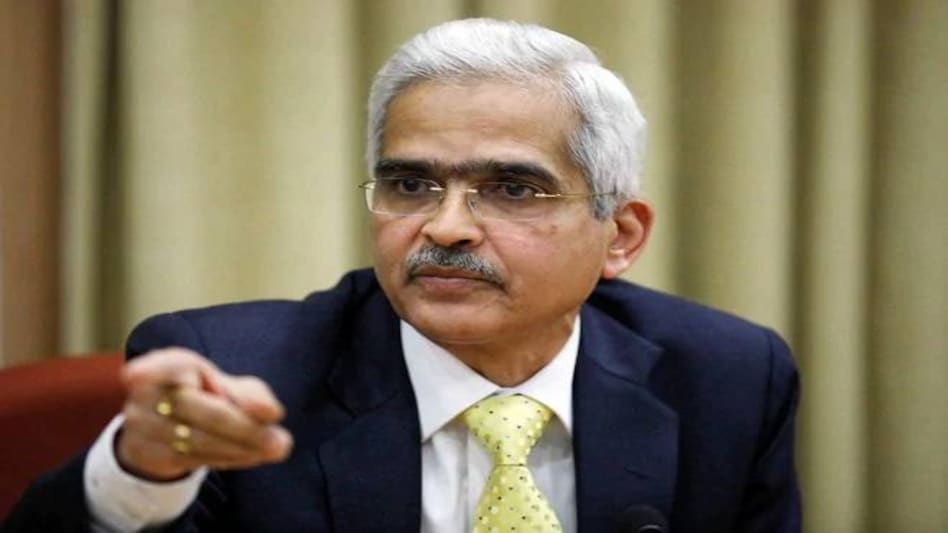
 RBI Governor Shaktikanta Das
The Reserve Bank of India (RBI) in its latest report on Currency and Finance (RCF) for 2020-21 has said the current numerical framework to define price stability -- an inflation target of 4 per cent with a +/-2 per cent tolerance band -- is appropriate for the next five years. It also said the focus of flexible inflation targeting (FIT) on price stability augurs well for further liberalisation of the capital account to globalise Indian rupee.
The report "Reviewing the Monetary Policy Framework" assumes topical relevance in the context of the review of the inflation target by March 2021 , against the backdrop of structural changes in the macroeconomic and financial landscape, the RBI said.
 Trump says Europe to release ‘massive’ diesel stocks as fuel prices rise
 Airport security upgrade: Why your mangalsutra or janeu won’t trigger scanner alarms anymore
 Reliance plans ₹1 lakh crore CBG investment in Andhra Pradesh, eyes 3 lakh jobs
 Rupee near 97: Rupee faces multi-front pressure; SBI Research calls for immediate protective measures
 Stock market sell-off: Nifty, Sensex log 8th straight weekly loss; key levels & top triggers now
 How Much Should You Invest In Bonds At Different Stages Of Life? 20/60 Investing Rule Explained
 Bond Investing For Beginners: How To Choose, Check Ratings, Returns & Manage Risk
 Flexi-Cap Funds: How Much Does the Fund Manager’s Strategy Really Matter?
 Diwali 2026 Gold Price Outlook | Expert Price Targets Revealed | Massive Gold Price Prediction
 Flexi Cap, Midcap Or Smallcap? Dinshaw Irani On Mutual Fund Strategy
 Stock market sell-off: Nifty, Sensex log 8th straight weekly loss; key levels & top triggers now
 IPO boom: 69 Indian companies raise Rs 90,500 crore in Q3 despite stock market sell-off; what's next
 TCS, Infosys, HCL Tech, TechM, Wipro, LTM, Coforge, HEXT: Fresh target, Q2 previews for IT stocks
 Carlsberg India IPO: SEBI approves confidential filing; beer maker moves closer to listing
 Suzlon, KPIT Tech, RIL, IRFC, HDFC Bank, Infy: 56% Nifty500 stocks in bear grip amid market sell-off
 Oil shock bypasses petrol pumps, hits Indian businesses through raw-material costs
 Financial Horoscope Today, October 3, 2026: Cancer Signs Should Pay Attention to Transactions, Know the Status of All Signs
 Small-cap funds under pressure in September: Only 4 schemes deliver positive returns
 Sleeping 7 hours but still tired? Why sleep quality matters as much as the hours you get
 India’s GST revenue growth has lost momentum: What the post-2025 data shows












