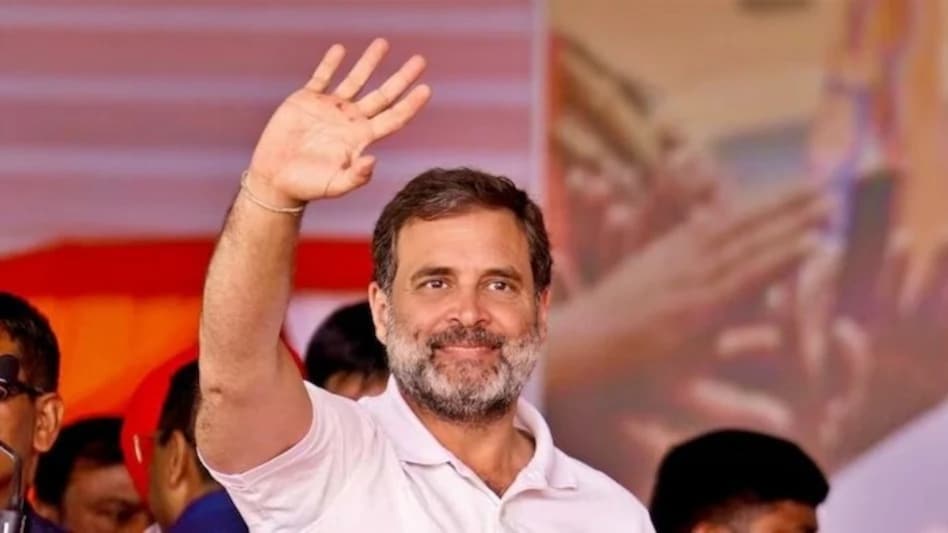
 This remarkable achievement signals a potential shift in the Indian political landscape and suggests that Rahul Gandhi's strategic overhaul of the party has resonated with voters across the nation.
In a stunning reversal of political fortunes, the Congress party is on the verge of crossing the three-digit mark in the 2024 general elections for the first time in a decade. This remarkable achievement signals a potential shift in the Indian political landscape and suggests that Rahul Gandhi's strategic overhaul of the party has resonated with voters across the nation.
As the results trickled in, Rahul Gandhi, along with Congress President Mallikarjun Kharge, Sonia Gandhi and Priyanka Gandhi, addressed the press. In the press conference, Rahul Gandhi reiterated his commitment to protect and safeguard the Indian Constitution and said that this election results signals the fact that the Indian voter has rejected the politics of Narendra Modi.

 Small cars are not dead: Maruti Suzuki’s R.C. Bhargava sees a sizeable market even in 2047
 Anthropic’s blockbuster IPO: Can AI’s mega bet outrun its biggest risks?
 ‘Don’t panic’: Raghuram Rajan says govt should not deplete reserves to defend rupee
 Finance ministry weighs options on LTCG tax, decision likely in Union Budget 2027-28
 Relief for Imran Khan! Actor’s 'leave India' notice kept in abeyance at least till next hearing on Nov 2
 Are SIPs And LTCG Tax Driving FIIs Away From India? Expert Explains The Real Reasons Behind Outflows
 Personal Medical Fund Vs Health Insurance: Which One Do You Need?
 India's Market Outlook: Is The Worst Over? Mihir Vora Sees Hope For D-Street Ahead Of Next Diwali
 Nitin Gadkari: ‘Better Roads Cut India’s Logistics Costs, Boost Jobs And Drive Growth’
 Mihir Vora On Mutual Fund Strategies For Samvat 2083 | Where To Invest This Diwali?

 L&T Q2 PAT climbs 33% to Rs 5,202 crore YoY; revenue rises 16%
 Tata Capital Q2 PAT jumps 51% YoY to Rs 1,660 crore; loan book crosses Rs 3 lakh crore
 Crude, US yields, and valuations: Where DSP MF sees opportunities in Indian markets
 Vedanta Iron and Steel Q2 earnings: Net loss at Rs 324 crore, revenue falls 24%
 Hyundai shares down 20% YTD; Macquarie retains 'Outperform', sees Bayon as growth driver
 Cyclone Arnab to hit Andhra Pradesh coast on October 28; South Central Railway issues advisory
 Nyrika Holkar on using technology to shape Godrej Enterprises’ futureSmall cars are not dead: Maruti Suzuki’s R.C. Bhargava sees a sizeable market even in 2047
 Mumbai 3.0: G Square Housing enters Maharashtra with 125-acre Panvel project amid realty boom
 Flipkart Big Bang Diwali Sale starts October 28: The phones, bank offers and deal details shoppers should check