


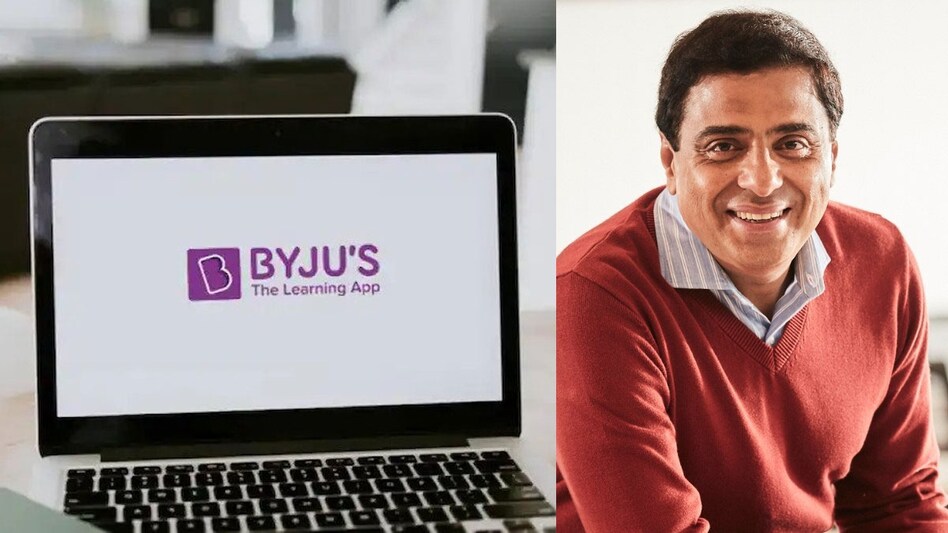
 Ronnie Screwvala said the BYJU’S saga has zero content and went onto claim that not even Netflix or HBO will buy it.
 Ronnie Screwvala, chairman and co-founder of edtech platform upGrad, has taken a jibe against rival BYJU’s after the latter took legal recourse against the acceleration of $1.2 billion Term Loan B (TLB) and sought the disqualification of one of its lenders. Screwvala, who is also the founder of the now defunct movie production company UTV Group, said the BYJU’S saga has zero content and went onto claim that not even Netflix or HBO will buy it.
Screwvala tweeted: “Damn with ZERO Content… not even a Netflix or HBO will buy it. While sullying India’s name as a great investment destination! Wonder what its erstwhile board thinks of their fiduciary duties—just asking (sic)”.

 ‘Welcome the decision wholeheartedly’: Shapoorji Pallonji on RBI’s decision on Tata Sons listing; full text
 NSE IPO: India's largest exchange gets 55% subscription on Day 2 so far; NIIs, employee portions fully booked
 NSE IPO, Hero Motors IPO, SS Retail IPO, Jindal Supreme IPO: GMP of four ongoing issues rises up to 32%
 Noel Tata at the centre of Tata Sons board tussle: A look at his 40-yr career, educational qualification and more
 Semicon 2.0: India targets 200 chip design startups and 1 lakh semiconductor technicians
 Canada Gets EU ‘Associate Member’ Offer As Carney Seeks Deeper Ties Beyond U.S.
 Midcap Stocks To Auto & Metals: Where Investors Can Find Market Opportunities Amid Earnings Growth
 What To Watch This Weekend? 5 OTT Picks From Lust Stories 3 To Zakir Khan’s Papa Yaar
 From Putin To Meloni: World Leaders Send Birthday Wishes As PM Modi Turns 76
 Tata Sons Board Votes To Bring N Chandrasekaran Back As Chairman For 5 Years
 Vedanta share price jumps as board okays up to Rs 3,500 crore worth NCDs
 Bharat Forge shares gain 4% as Rs 2,000-crore QIP opens
  IndiGo shares rise 2% as Jefferies retains Buy call, sees 20% upside
 Bharat Electronics wins additional orders worth Rs 648 crore, check stock reaction NSE IPO: India's largest exchange gets 55% subscription on Day 2 so far; NIIs, employee portions fully bookedCanada Gets EU ‘Associate Member’ Offer As Carney Seeks Deeper Ties Beyond U.S.Vedanta share price jumps as board okays up to Rs 3,500 crore worth NCDsBharat Forge shares gain 4% as Rs 2,000-crore QIP opens Noel Tata at the centre of Tata Sons board tussle: A look at his 40-yr career, educational qualification and moreSemicon 2.0: India targets 200 chip design startups and 1 lakh semiconductor technicians












