


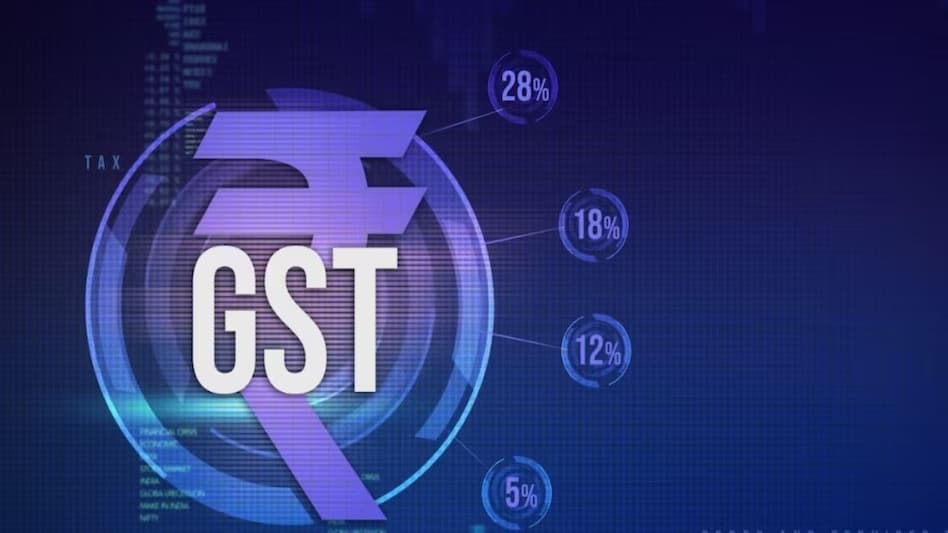
 GoM approves scrapping of 12%, 28% GST slabs
The Group of Ministers (GoM) on GST rate rationalisation has agreed to scrap the 12% and 28% slabs, moving towards a simplified two-rate structure of 5% and 18%. The decision, taken at a key meeting on Thursday, could bring down prices for most goods and services.
According to the plan, 99% of items taxed at 12% will shift to the lower 5% slab, while nearly 90% of items currently in the 28% category will move to 18%. A higher 40% levy will continue on a limited set of goods, including tobacco and luxury items, with luxury cars also recommended for inclusion under the 40% bracket.

 Apple job cuts 2026: iPhone maker slashes 200 jobs in Siri, Vision Pro immersive video, gaming teams
 BT India@100: Amitabh Kant says this one ‘neglected but important’ sector is the biggest driver of jobs
 India Inc’s $150 billion capex dwarfed by Microsoft-sized AI spend: Jayant Sinha flags investment gap
 The $1.8 trillion space economy: Who will capture value as the final frontier goes commercial?
 Are Bengalis 'anti-business' by genetic makeup? Sanjeev Sanyal debunks longstanding stereotype
 Retirement Tax Planning: 5 Ways Senior Citizens Can Reduce Their Tax Liability
 #IndiaAt100 : Adipen Bose Nandhiji On Conscious Capitalism- Can Profit & Purpose Coexist?
 #IndiaAt100 : Hisashi Takeuchi On Driving India’s Manufacturing Revolution
 #IndiaAt100 : Manufacturing For Viksit Bharat | Can Industry Power India’s $30-Trillion Dream?
 #IndiaAt100 : Tarun Garg On Hyundai & India’s Manufacturing Powerhouse Ambition
 Cupid, NTPC Green, NTPC, Raymond Realty, HAL shares: Key technical levels to watch
 Defence stock with Rs 2,654-crore order book hits record high; here's why
  GACM Technologies: FII holding jumps to 29%; penny stock in focus
 Puravankara shares rise 5% on fresh order win
  20 high-conviction ideas for up to 95% upside | stocks to buy
  LPG, CNG, PNG rates today, August 22: Check latest prices in Delhi, Mumbai, Chennai, Kolkata and other citiesApple job cuts 2026: iPhone maker slashes 200 jobs in Siri, Vision Pro immersive video, gaming teams
 PPFAS Flexi Cap raises BER from Aug 25; IT exposure jumps 3.4% in 6-month portfolio shiftAre Bengalis 'anti-business' by genetic makeup? Sanjeev Sanyal debunks longstanding stereotypeRetirement Tax Planning: 5 Ways Senior Citizens Can Reduce Their Tax Liability












